Some stories are easy to bring to life. Others need a different approach.
When the subject matter involves real people, extraordinary acts or difficult experiences, the creative challenge is not simply how to make something look good. It is how to create a film that gives those stories the attention they deserve without turning them into spectacle.
That was the challenge we faced when Paradigm Creative partnered with First Bus for its Our Way Awards.
The annual awards celebrate colleagues who live the company’s values and make an exceptional contribution across the business. As part of the wider event, nine colleagues were being recognised through the Special Recognition segment for extraordinary actions, including saving lives and supporting vulnerable people.
We were asked to create a 90-second opening film for the segment but it had three essentials:
Connect with an audience
Feel important
Treat the people and experiences at its centre with genuine care.

Start with the story, not the visuals.
With nine different stories to tell, our first instinct could have been to create nine separate visual sequences. Instead, we asked: what connects all of these people?
The answer wasn’t a particular action or job role. It was the idea of care, and the way individual choices can make a lasting difference to someone else.
We worked with a poet to create an overarching piece of narration, bringing the individual stories together into one emotional journey. Rather than asking the audience to process nine separate accounts, the film gave them a shared idea to hold onto.
Find a visual idea that gives difficult stories space.
Some of the actions being recognised were incredibly serious. Showing them literally could have felt intrusive, or risked placing too much focus on the event itself rather than the person behind it.
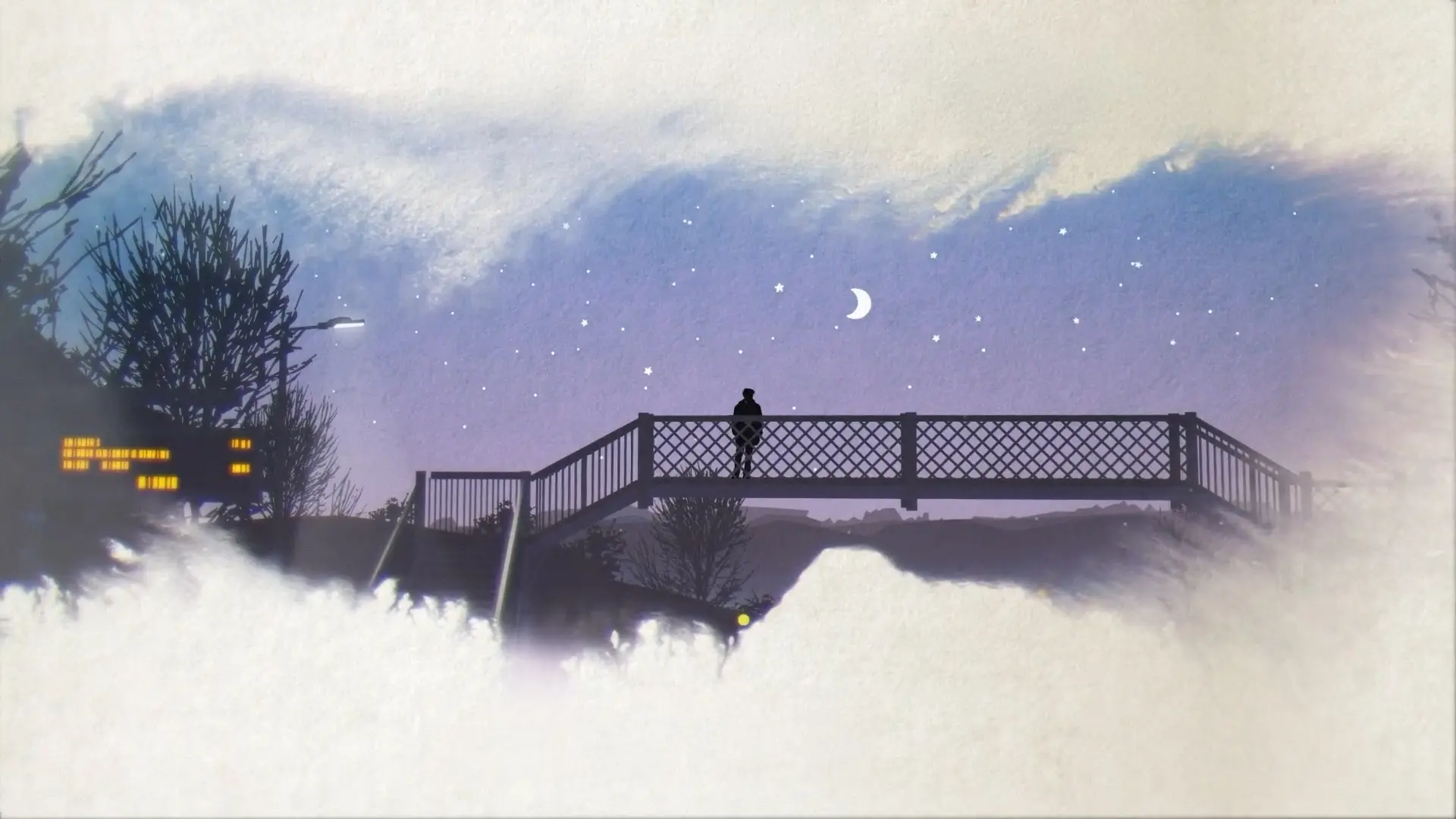
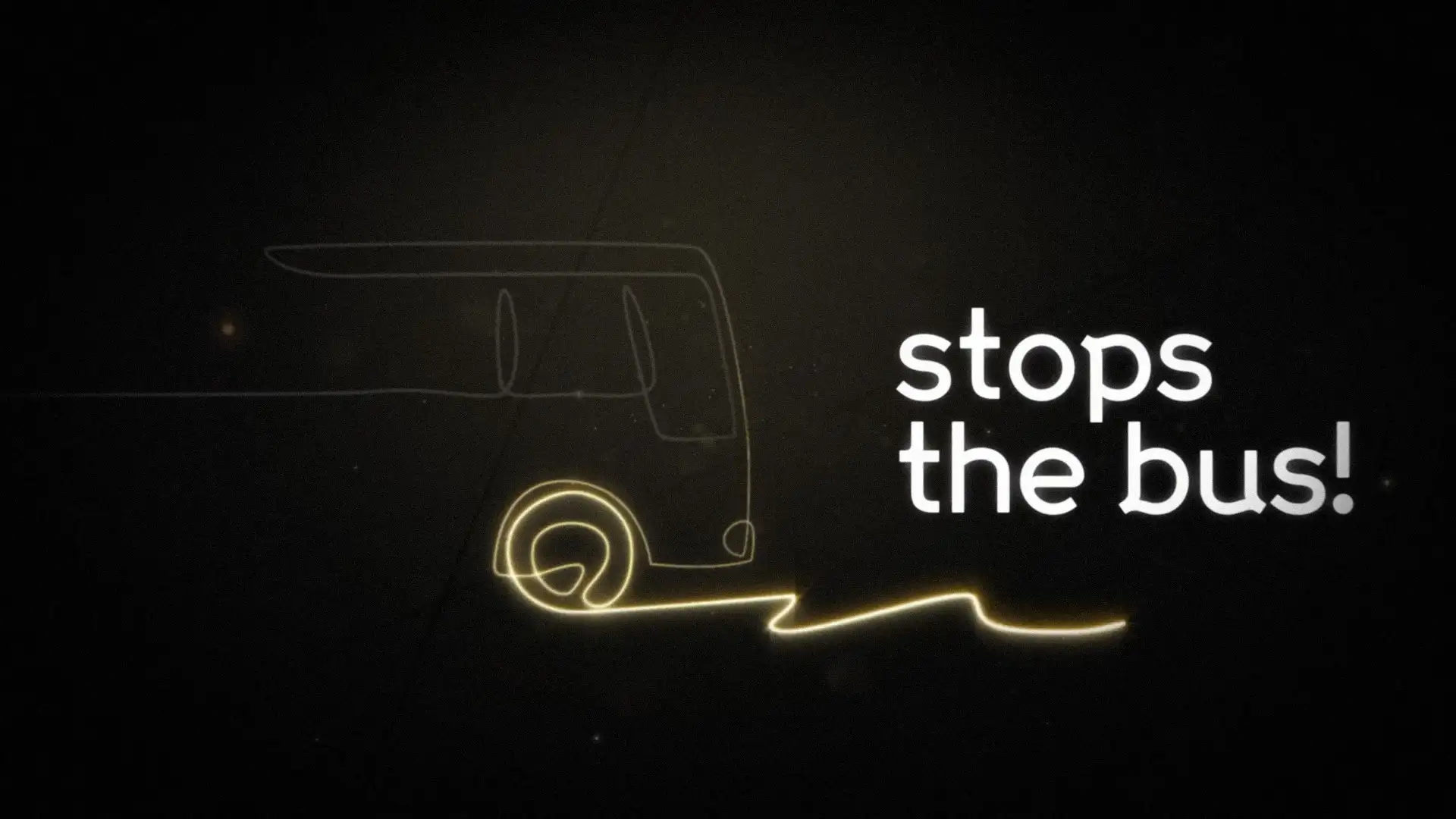
So we looked for something more abstract. The result was a continuous golden thread: a single line moving through the film, connecting moments and people as the narration unfolded.
It became a simple visual metaphor for connection and care without attempting to recreate sensitive events on screen. Animation gave us the freedom to do this. We could control the pace, movement and focus of every moment, creating something expressive without relying on literal reconstruction.
Research published in 2024 explored the emotional impact of animation, highlighting how visual choices, sound and narrative can work together to create an emotional response in an audience.
Emotion needs room to breathe.
When a story carries emotional weight, there can be a temptation to push it harder: bigger music, faster edits, more dramatic imagery.
We took the opposite approach. The animation was deliberately paced. Sound design and music were carefully layered around the narration rather than competing with it. Movement was used to guide attention and create feeling, rather than simply fill the screen.
The aim was never to tell the audience what to feel. It was to create enough space for them to connect with the stories. And that is often the difference between making something emotional and making something that feels emotionally honest.
Making a film that works beyond the event.
There was one final challenge. Although the film was created to open a live awards segment, we knew it could potentially have a life beyond the room. That meant it needed to work without relying on the atmosphere of the event or the context of being part of a larger programme.
The film received a strong response from colleagues and senior leadership on the night. Afterwards, First Bus chose to share it externally across its social channels.
Something created for one very specific moment became a standalone piece of storytelling about First Bus, its people and the values they demonstrate.
For us, that is a useful reminder that the best event content does not always have to feel like event content. Sometimes, the real creative challenge is knowing when to step back. When the stories matter this much, the animation should not compete with them. It should help them be heard.
Have you ever worked on a project where the biggest creative challenge was knowing what not to show?
Share this insight:
Link copied