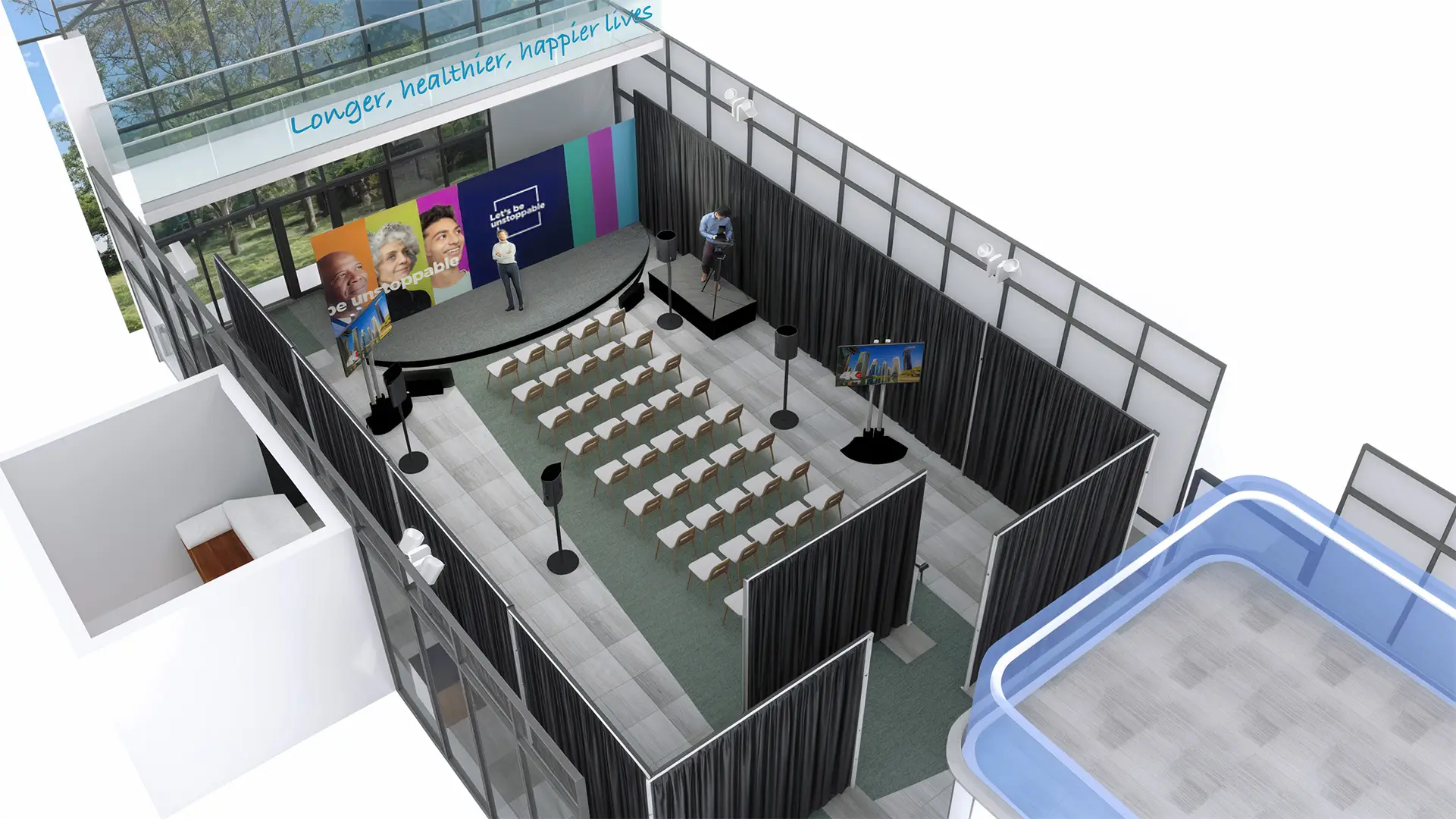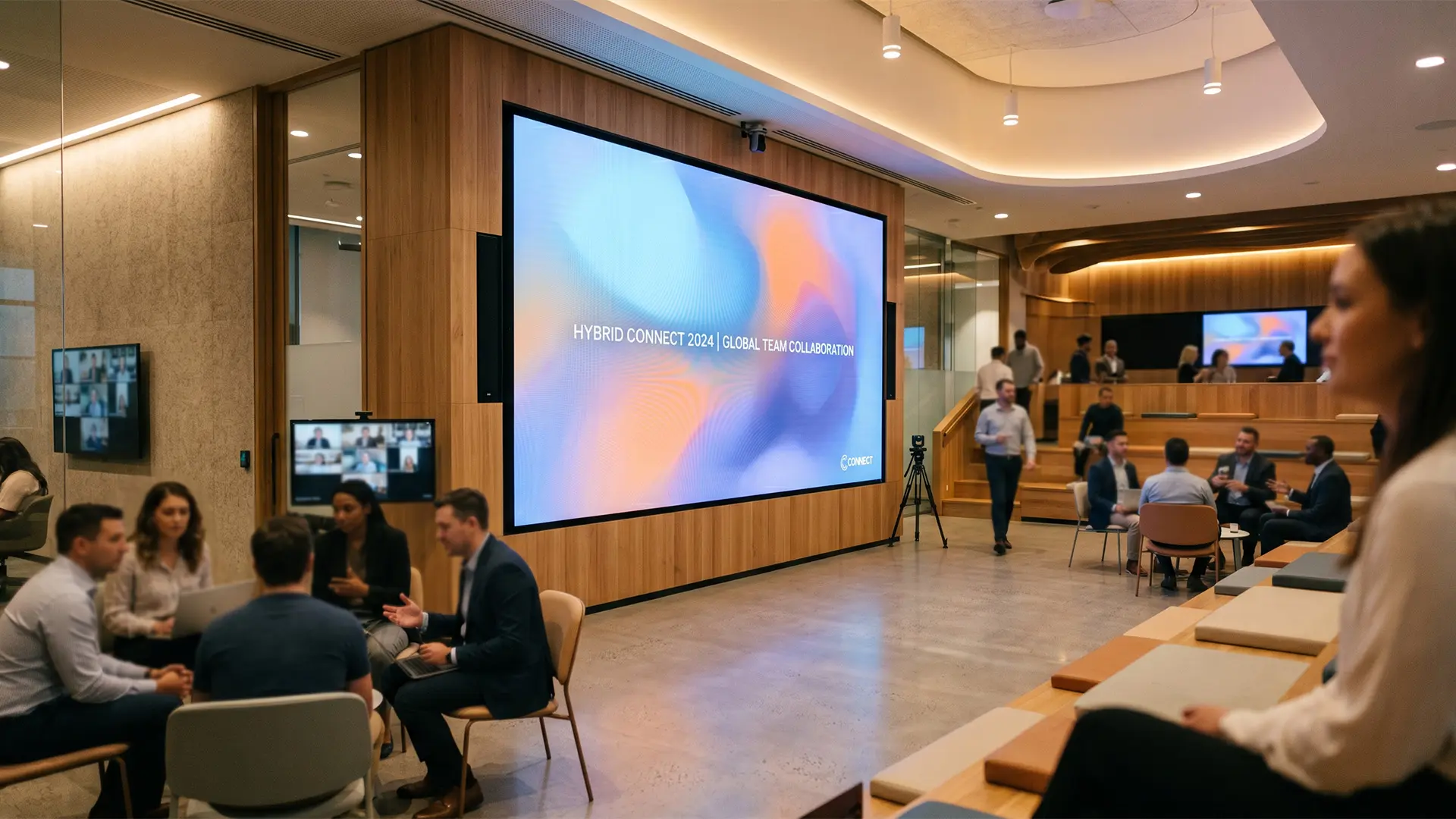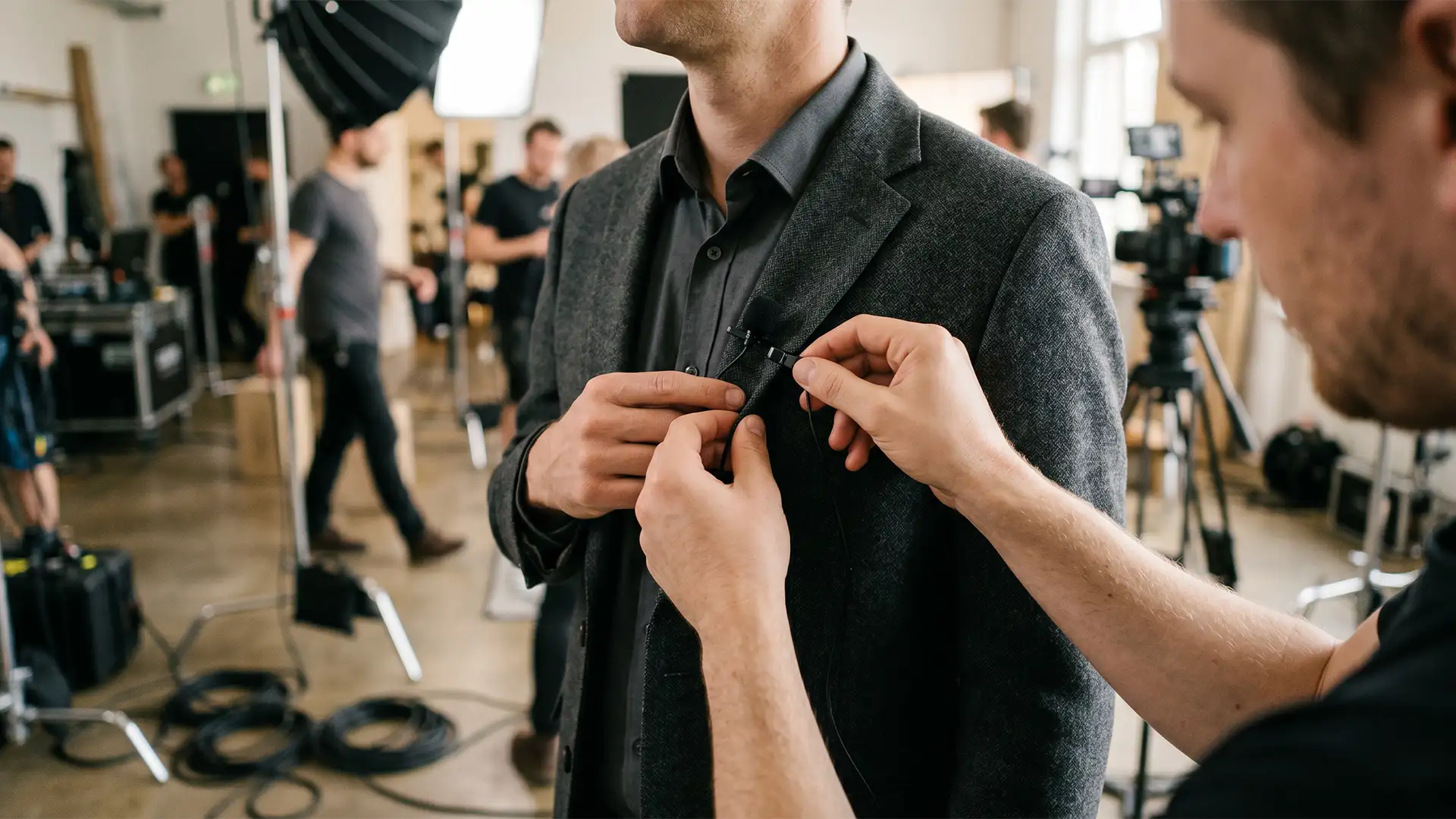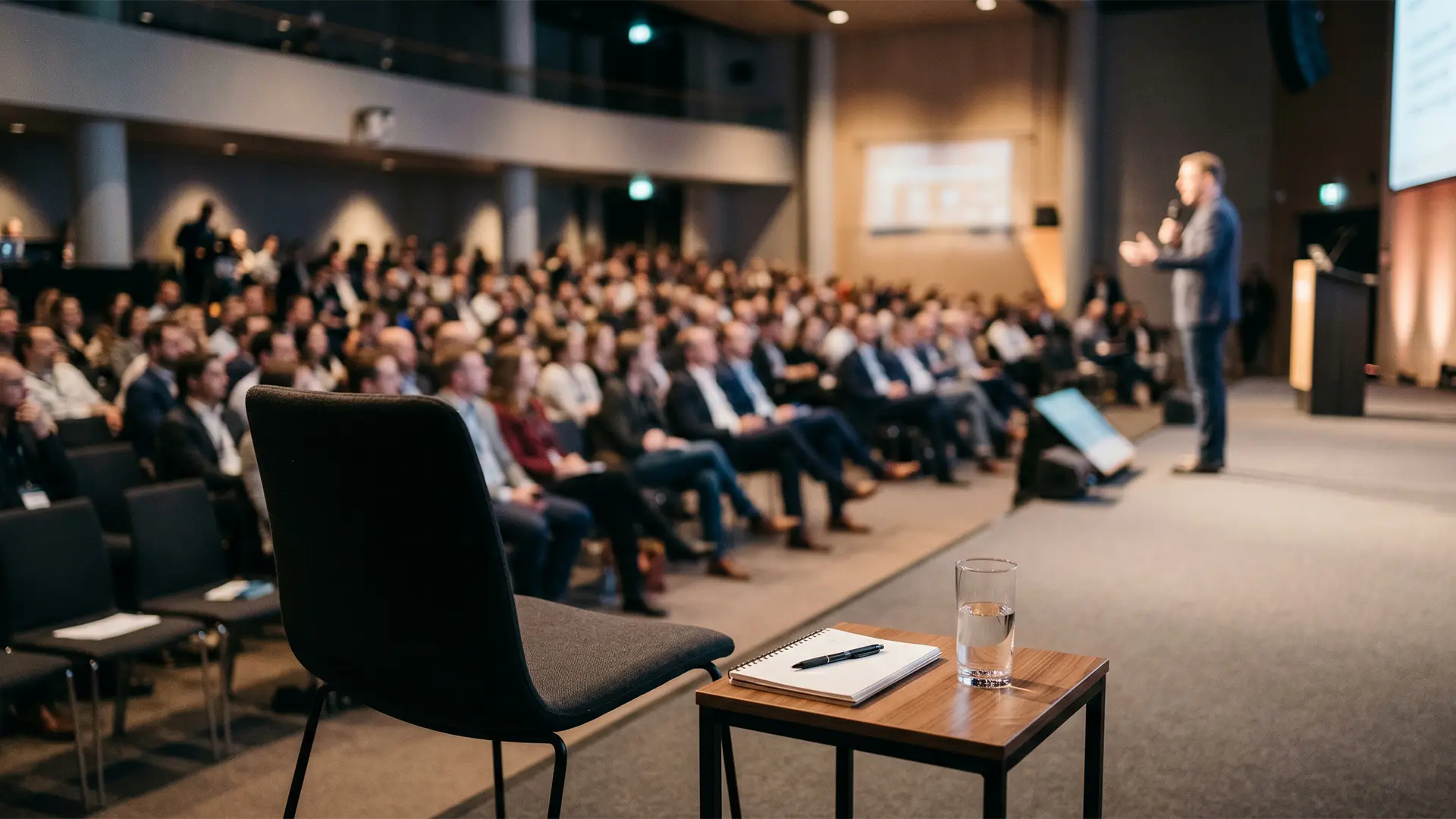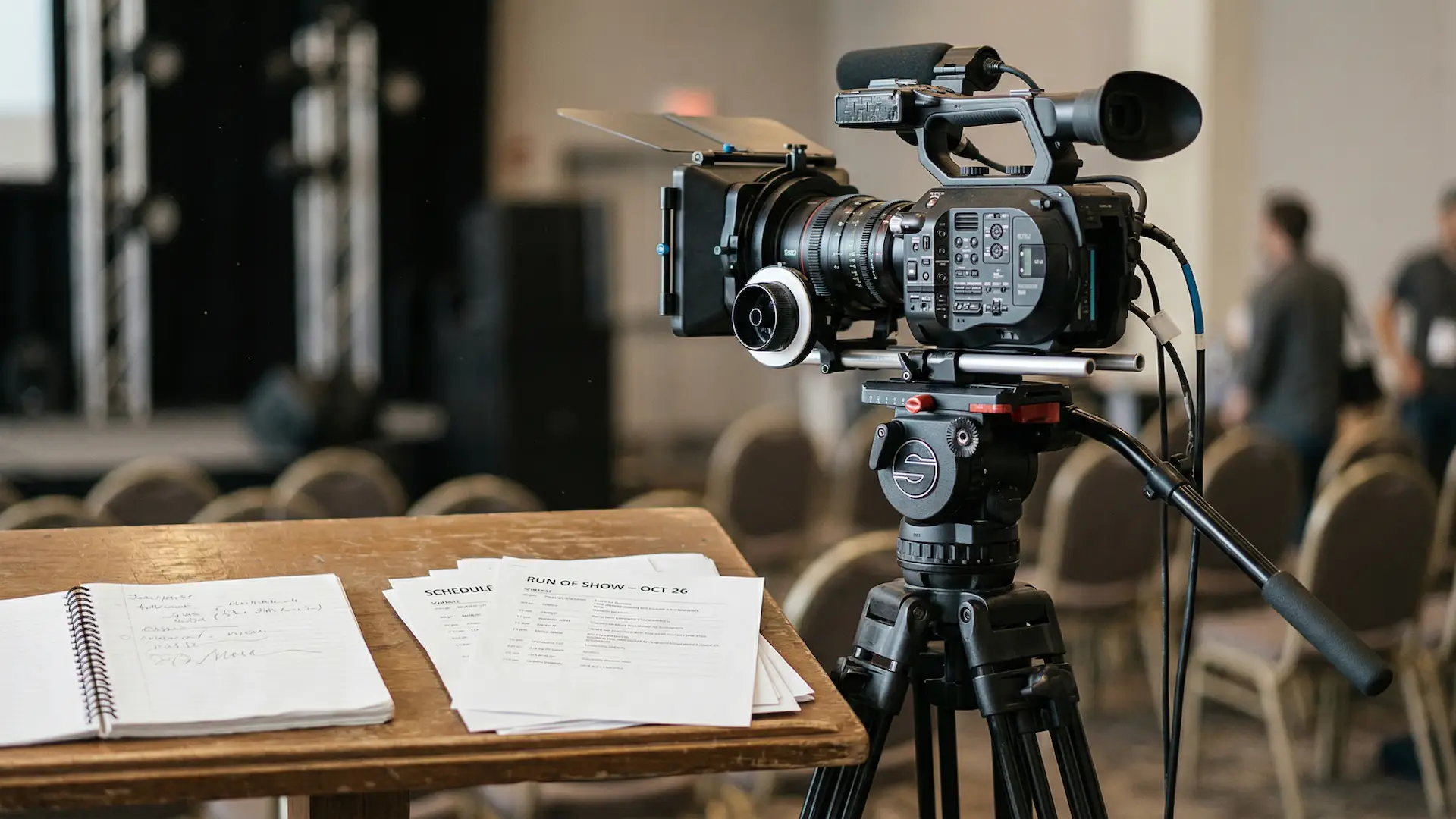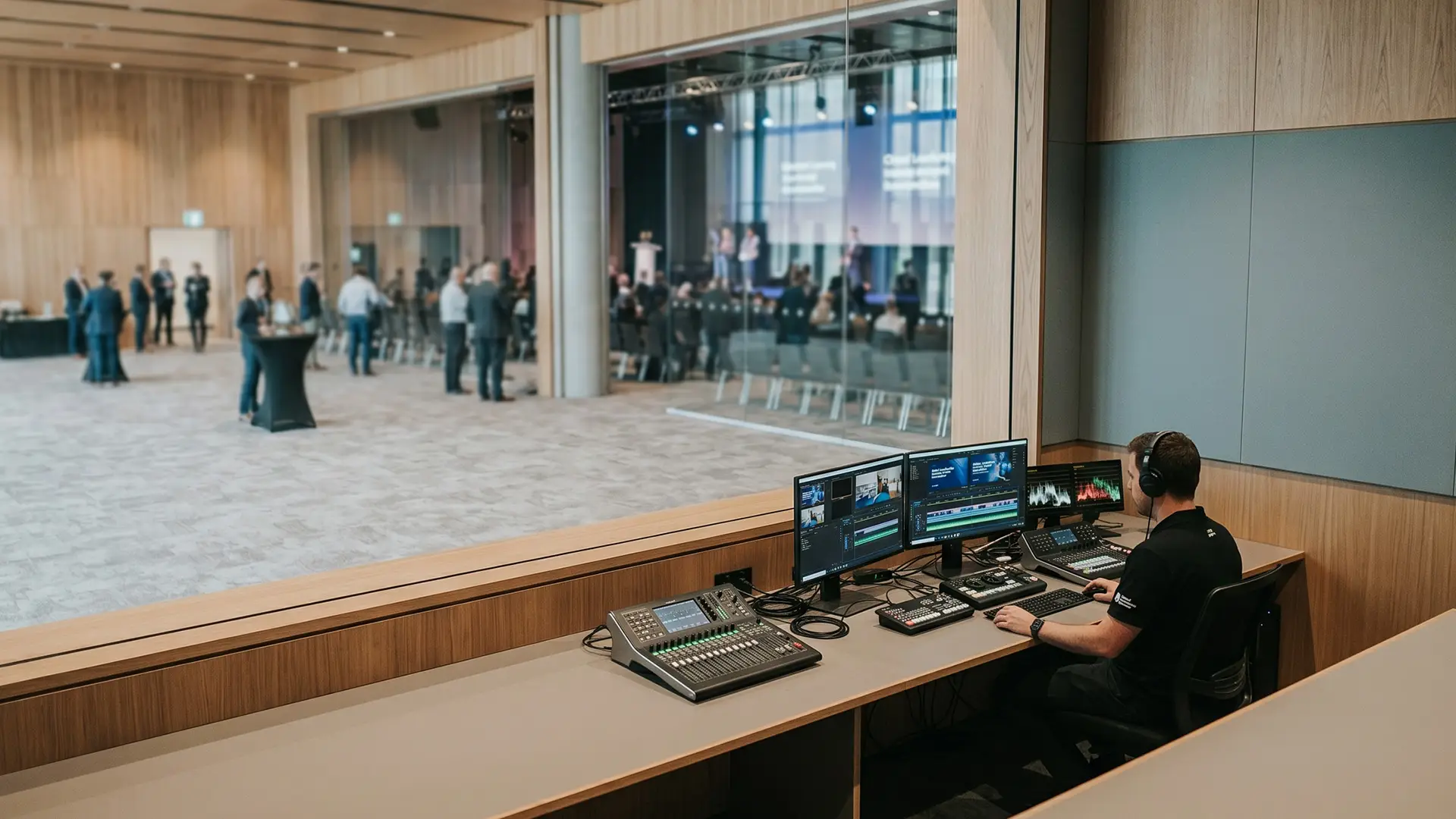
For years, enterprise events were judged by what happened in the room.
Successes measured by attendance, smooth delivery, whether the keynote landed and if the audience stayed engaged...
It was event done, pack up, move on, thank goodness for that… That’s changing.
Increasingly, the most valuable part of an enterprise event happens after everyone has gone home. The organisations getting the most value from live events are no longer treating them as one-off moments in time.
They’re using them as a starting point for content that can support internal communications, recruitment, stakeholder engagement, sales activity and so much more, after the event has ended.
Post-event planning.
Here at Paradigm Creative, we’ve seen this shift happen quickly across enterprise brands and internal communications teams. Working across live events, streaming, videography, animation and graphics, it’s become clear that the companies getting the best results are planning what happens after the event just as carefully as the event itself.
The traditional ‘event-first’approach is slowly disappearing and being replaced by a much more content-focused mindset - and it matters now more than ever.
According to Microsoft’s Work Trend Index, employees are interrupted every two minutes during the working day as meetings, emails and notifications constantly compete for attention. That means people consume information in much shorter, more fragmented ways than they used to.
Internal communications are no longer being compared with last year’s town hall or quarterly update. Whether we realise it or not, people now compare company communications with the quality and pace of everything else they watch every day - from streaming platforms and social media to podcasts or live broadcasts.
A live event can’t just succeed in the moment anymore. It needs to create useful, engaging content that can continue working across the business afterwards.
Content opportunities.
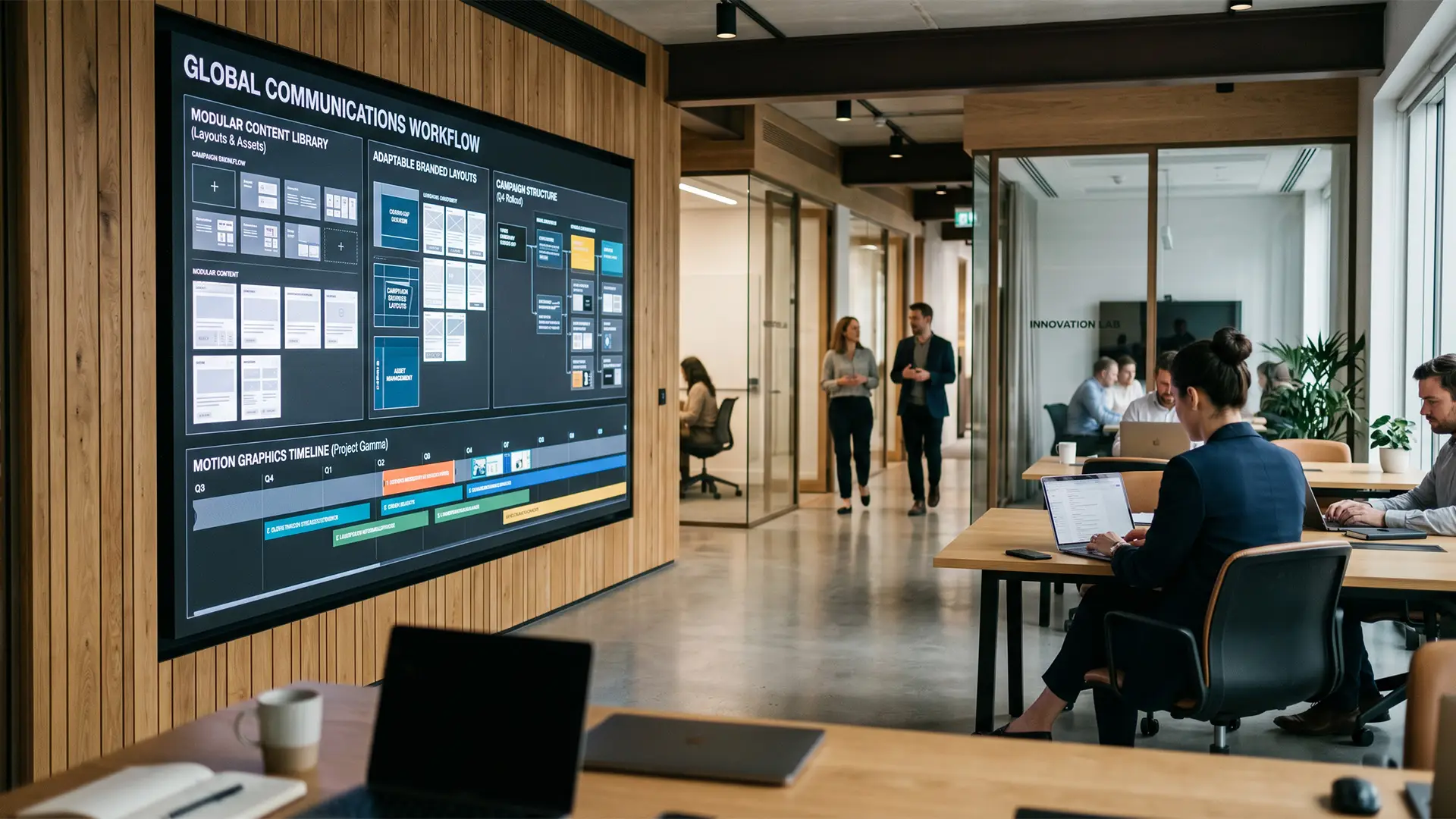
The most effective enterprise teams now see events as content opportunities rather than one-off productions. A single presentation can become leadership videos, internal social content, recruitment campaigns, onboarding materials, post-event highlights and so much more.
Livestreams can continue to support communication long after the original event date, while graphics and visuals created for screens at the event can be reused across digital campaigns and internal updates.
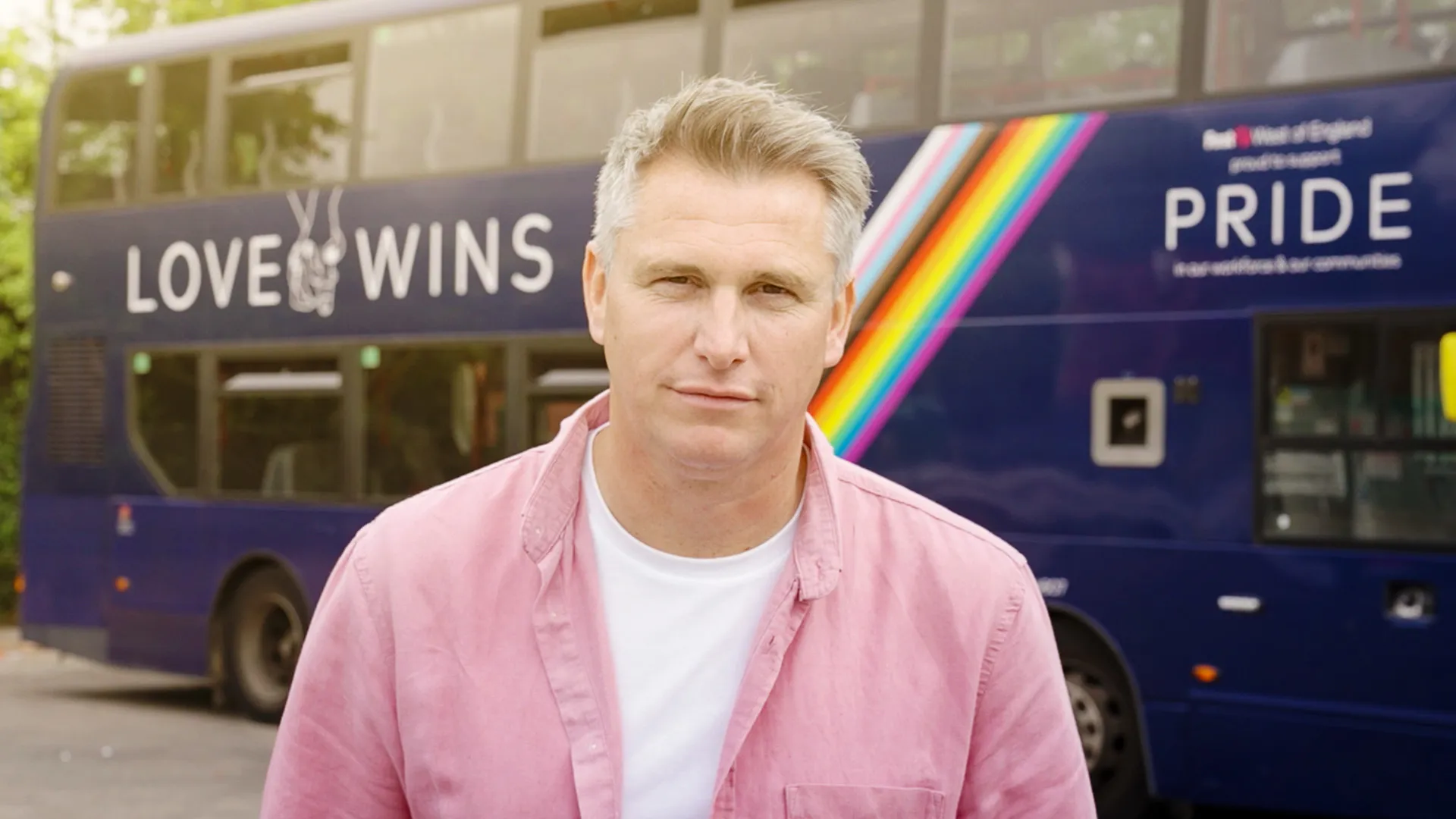
We recently worked on a project with First Bus where our 73 deliverables including filmed interviews and event content, will continue to support marketing and internal communications for months afterwards, creating far more value from the same investment.
This is because at the brief stage, we got them to think differently to get the most out of their event. Instead of simply asking how an event should be filmed, we asked how it can create content that stays useful long after the audience has left the room.
Production quality matters.
Production quality also matters more than many organisations realise. It’s not all about polishing. The quality of an event or piece of content directly affects how people engage with it and how much they trust the message.
Research from PwC found that 59% of consumers feel companies have lost touch with the human side of communication and experience. The same can easily happen internally. If communication feels flat or rushed, audiences switch off - especially the case for hybrid workers who may already feel a bit disconnected.
People naturally respond to clear visuals and good sound, with confident presenters. These things shape how credible and engaging communication is.
Internal communications teams are now creating content for audiences with much higher expectations than they had even five years ago.
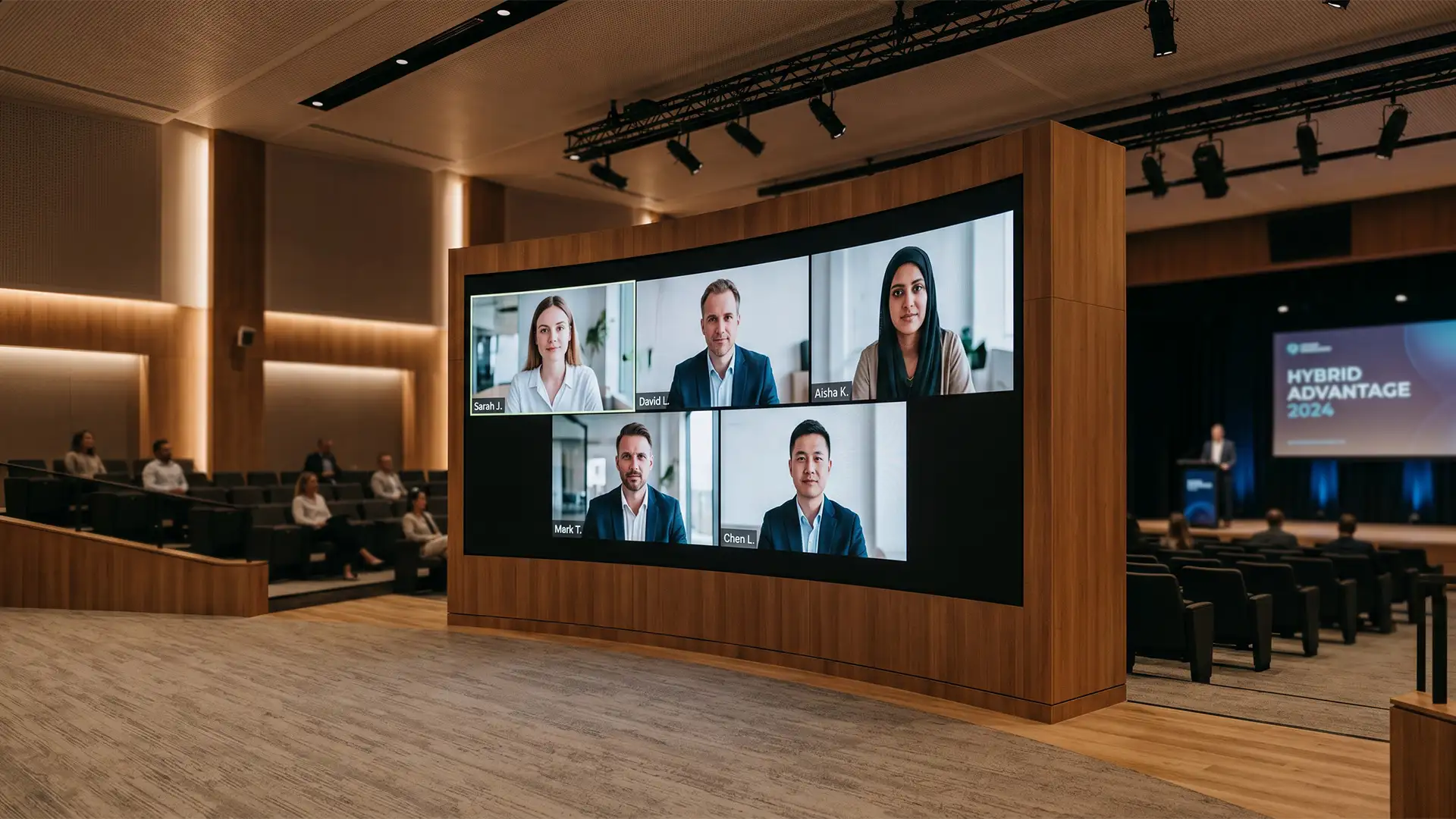
Streaming has pushed this further. What was once seen as a temporary solution is now a standard expectation for many organisations. But streaming today means far more than simply pointing a camera at a stage and going live online.
Audiences expect a smooth, engaging experience with strong visuals, clear branding, live interaction and content they can watch again afterwards. That’s why our live events and streaming teams increasingly work alongside internal communications and marketing departments to help shape experiences people will actually remember.
Watch for the unplanned moments.
Interestingly, some of the strongest content often comes from the moments nobody originally planned for. Behind-the-scenes footage, leadership reactions, candid interviews and genuine audience interactions often perform far better on social media because they feel more human.
The organisations embracing this shift are building much more connected approaches around their events. Videography, streaming, animation and graphics are no longer treated as separate services. Instead, they work together to create content that continues delivering value long after the event.
For enterprise marketing and communications teams under pressure to show return on investment, this changes the conversation completely. Once events are seen as content-generating opportunities rather than isolated budget lines, their value increases massively.
That's a wrap.
One well-executed event can support recruitment, leadership visibility, internal engagement, stakeholder communications and future business development for months after.
The organisations gaining the most momentum right now are not necessarily creating more events than everyone else. They’re getting much more from the ones they already do.
Share this insight:
Link copied