With internal updates, campaigns, bid submissions or events, the demand for more content keeps on coming.
Time is spent shaping messages, building decks, filming videos and creating graphics.
On the surface, all looks OK with small teams somehow managing to pull content together so deadlines are met but behind the scenes, the same challenge keeps coming back and each new piece of content starts from scratch.
In many cases, the work being done is not as new as it seems as the same types of messages appear several times. Yet the process resets every time.
Think differently.
Instead of asking what needs to be created, it is more useful to ask what should exist beyond this piece of work.
Don’t just think about what is needed today, but what could be reused next week or in the next bid, for example.
Our team suggests thinking about your content in a slightly different way:
What formats come up again and again?
What messages will need to be repeated in different contexts?
How can this piece of content support more than one outcome?
Content shouldn’t be a one-off task. It should be something that can be used and adapted.
Design with reuse in mind.
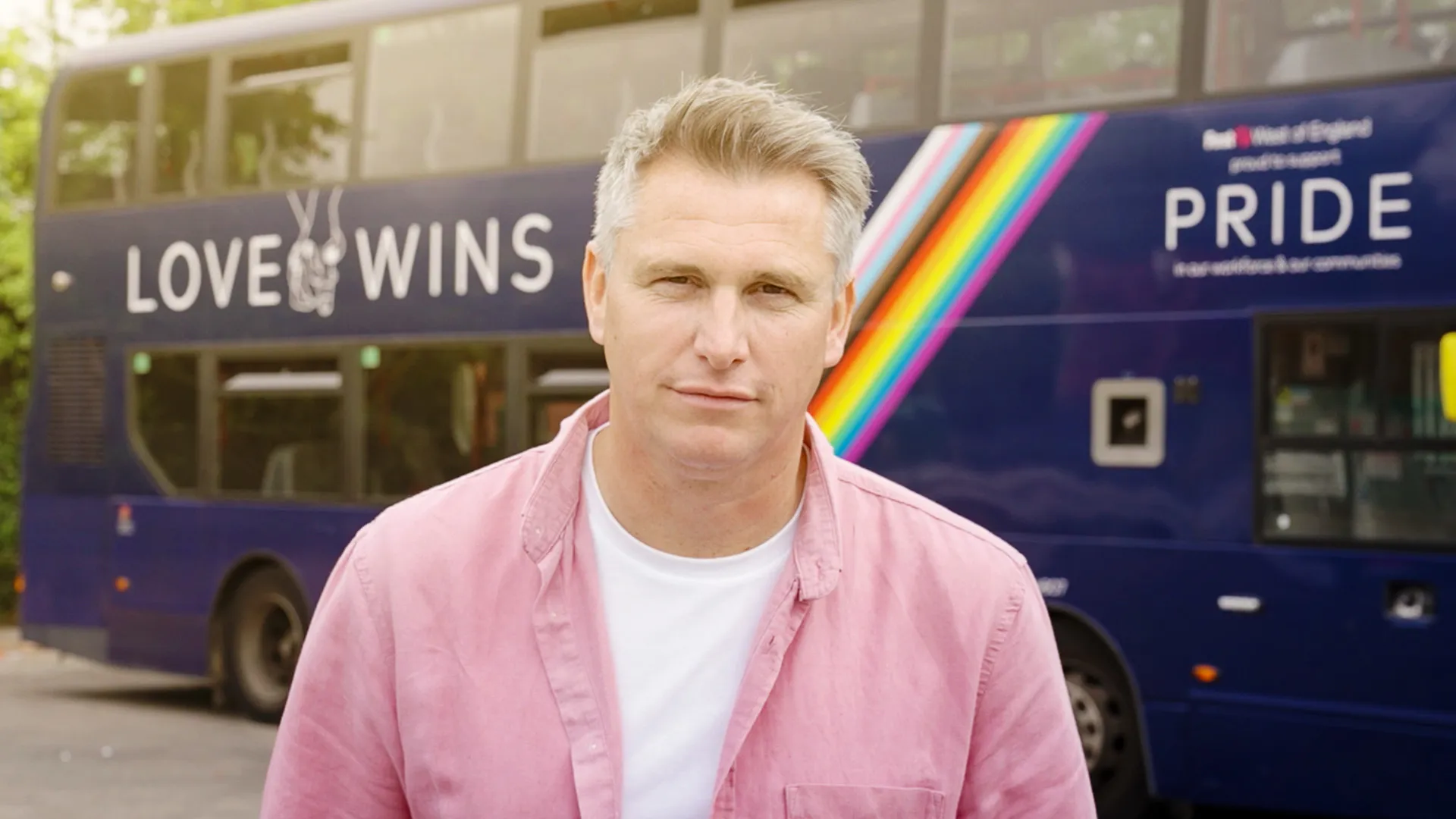
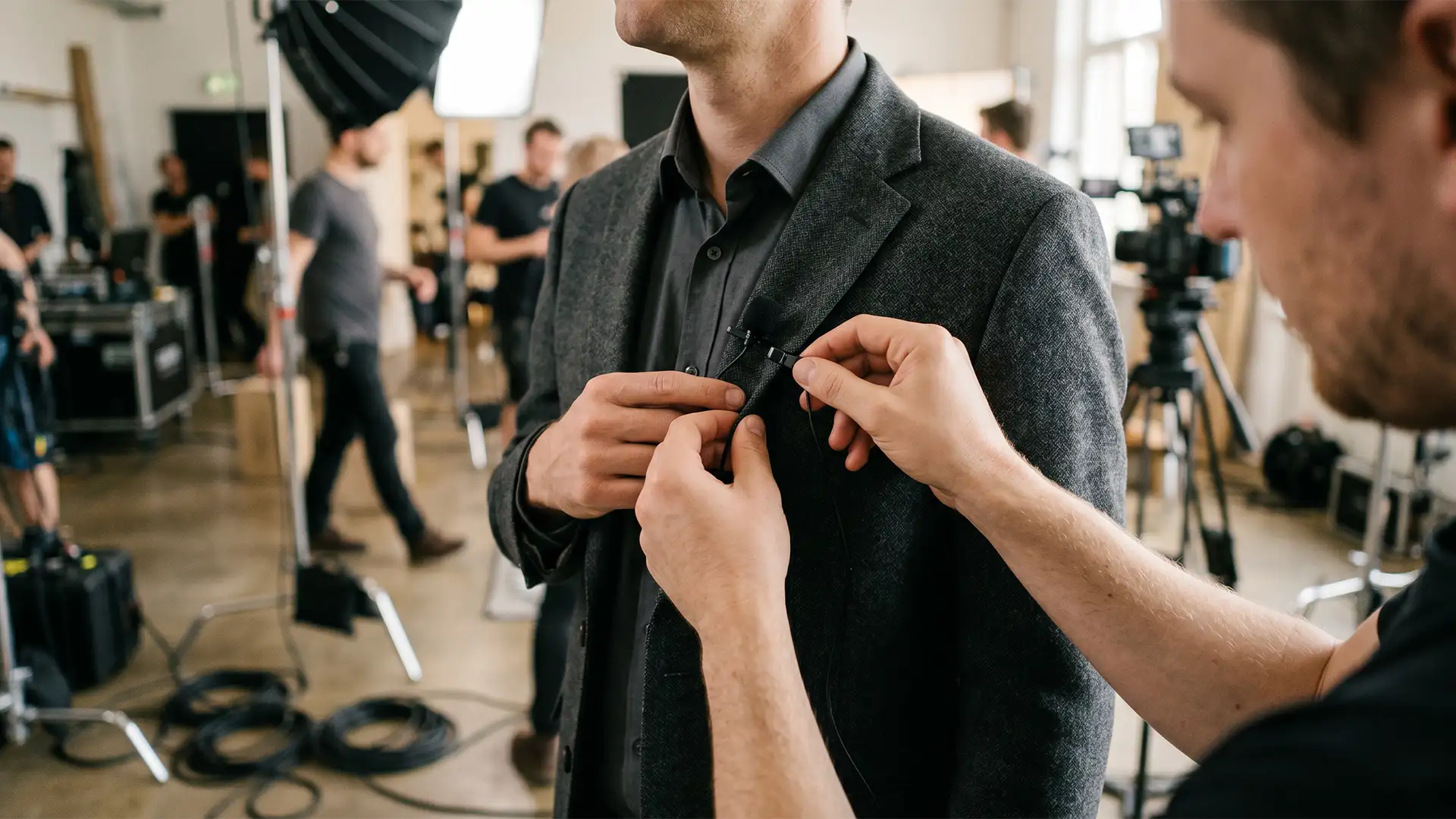
A leadership interview is not just filmed for a single update. It is structured so it can be used in multiple ways. A full video, shorter clips, extracts for presentations, content for future campaigns, not to mention umpteen social media clips.
The message stays the same but you get so much more for your money.
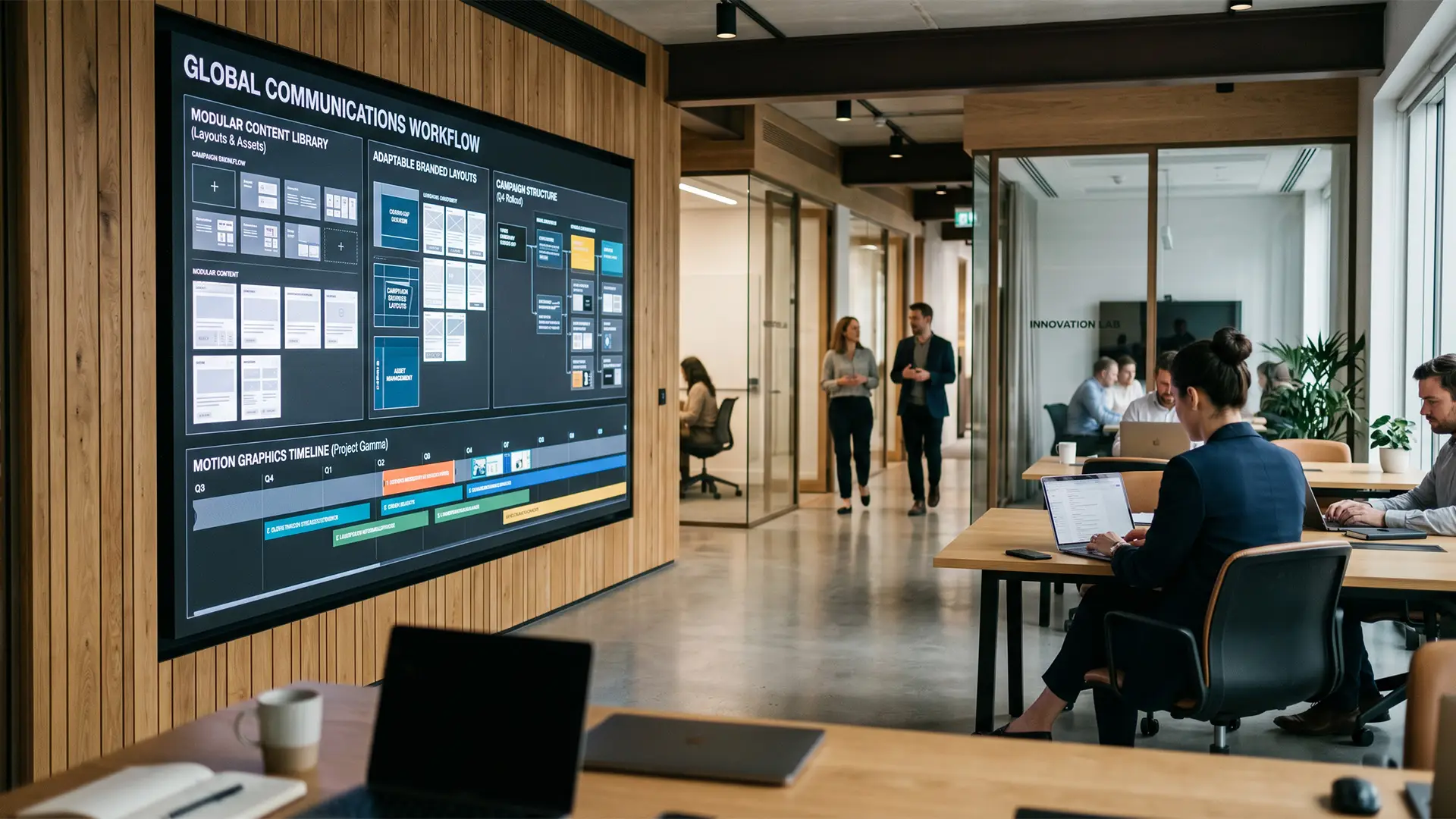
The same applies to visual content. Rather than designing new graphics each time, teams can work with a consistent set of styles and formats that can be reused. This reduces time spent on decisions and creates a more consistent look and feel.
For bid teams, this approach can make a real difference. Instead of rebuilding presentations each time, it becomes possible to work with a flexible structure. Core sections can be updated. Supporting content can be swapped in and out. The process becomes faster, without losing quality.
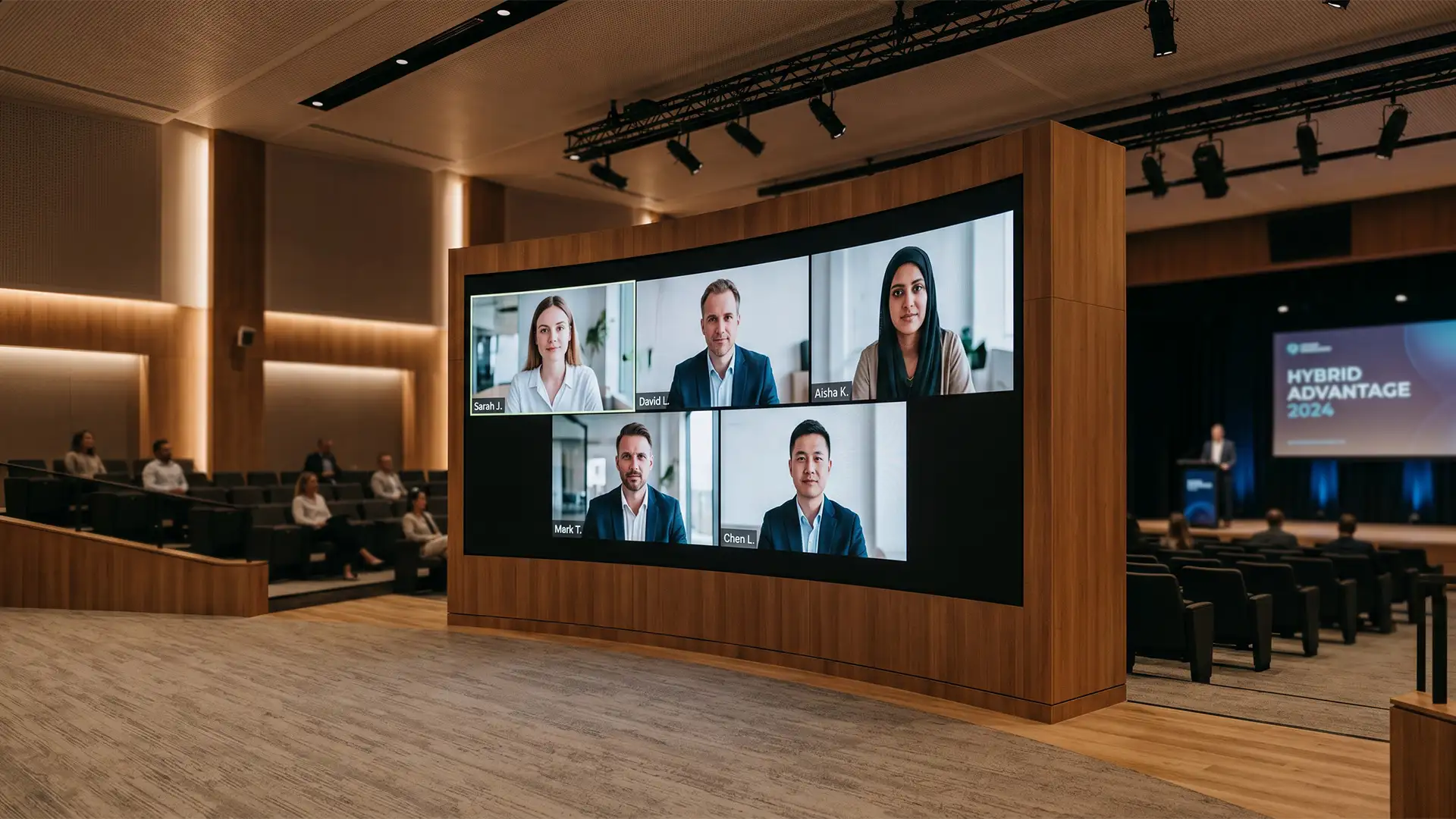
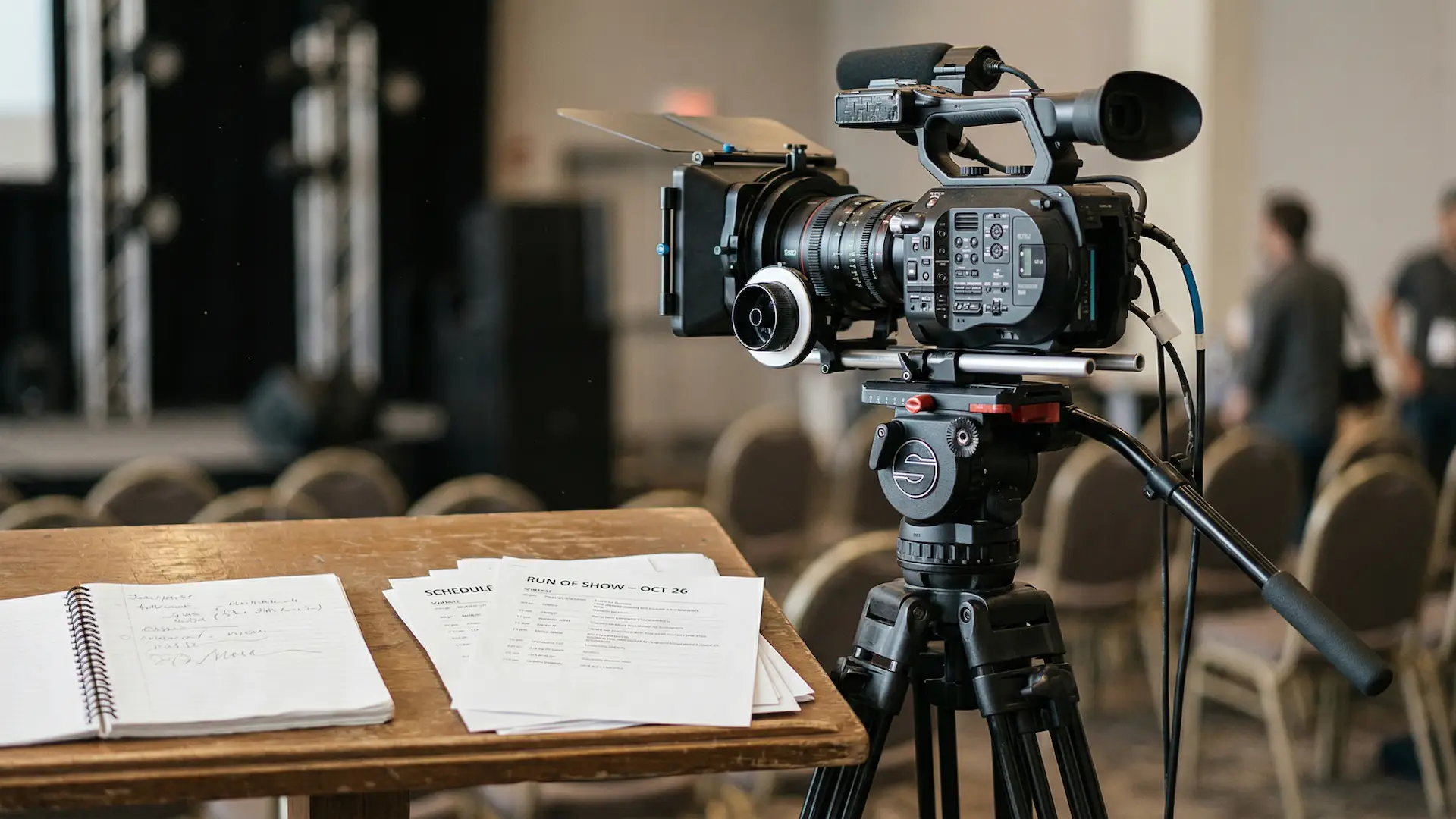
This thinking often starts before anything is filmed. On a global video project we worked on, we spent time shaping each story in advance so the content could work across multiple uses, from internal comms to recruitment. That upfront structure made the final output far more flexible.
Build once, use many times.
Most teams already have the building blocks but they sit across past projects, previous campaigns, old presentations - content that worked well, but was only used once.
With a more structured approach, you can get so much more out of your content, not to mention your budget.
A single piece of content can support multiple outputs. A filmed interview becomes part of a bid. A campaign video provides material for internal comms. Graphics created for one project can be reused in another.
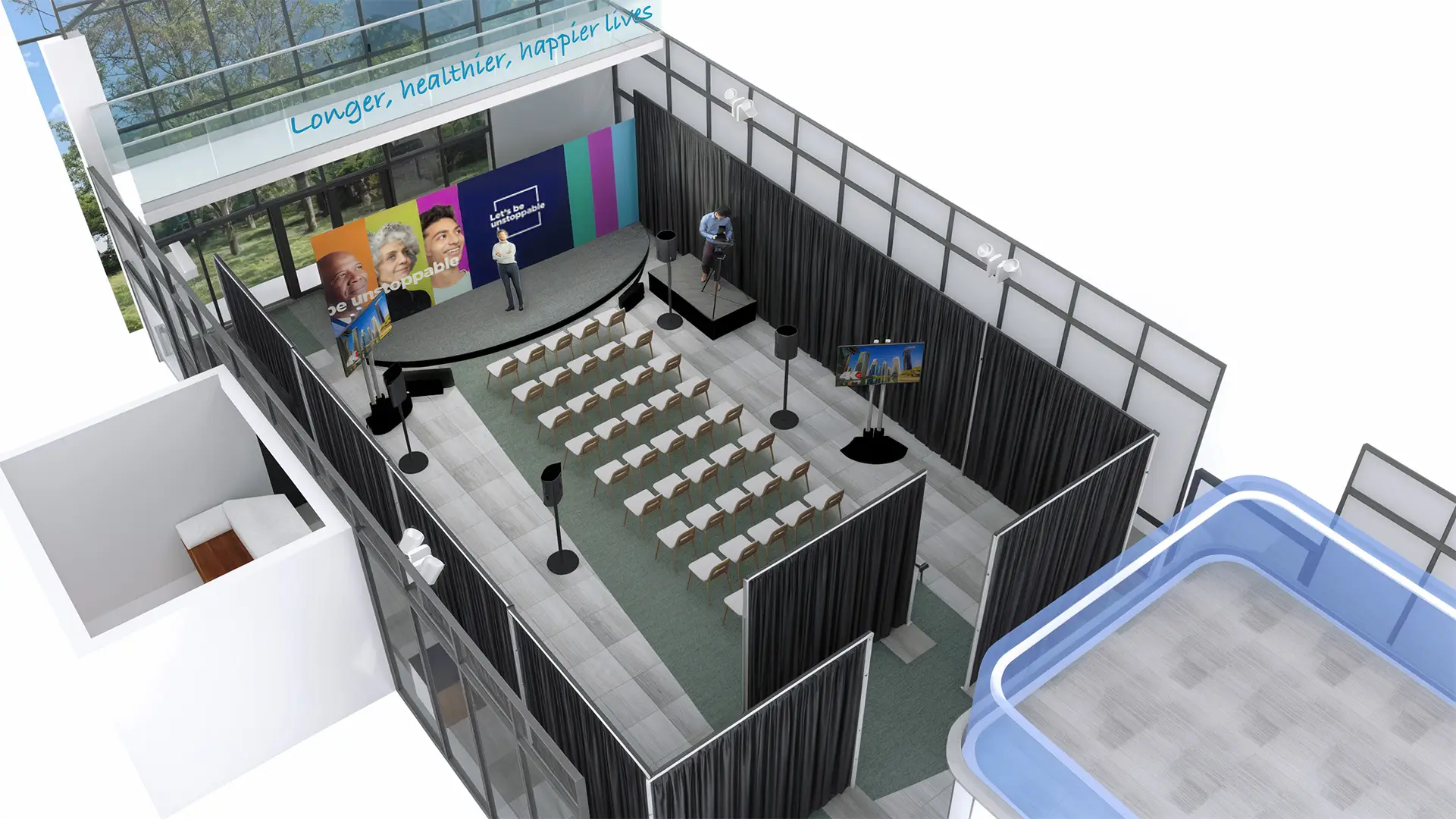
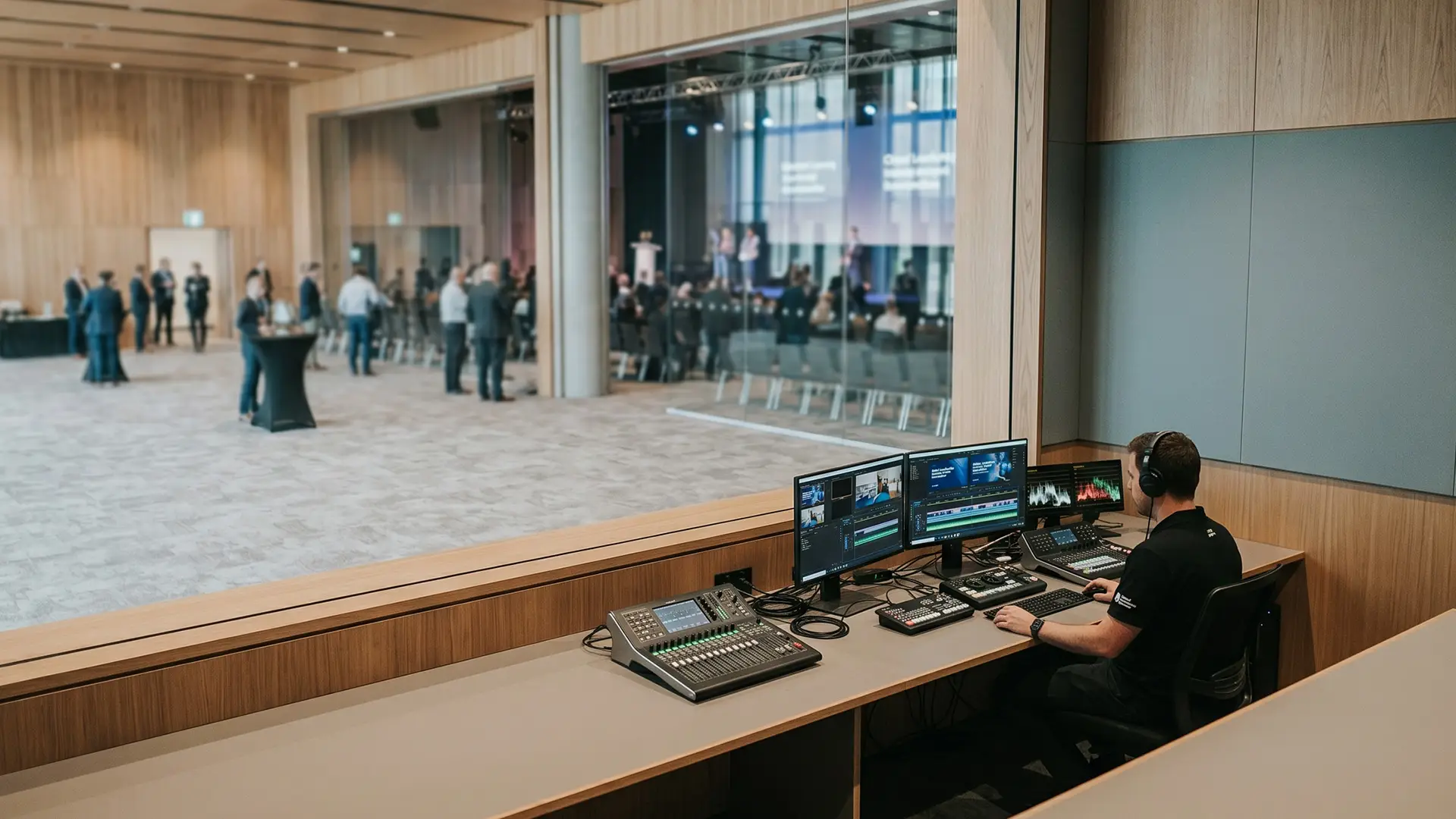
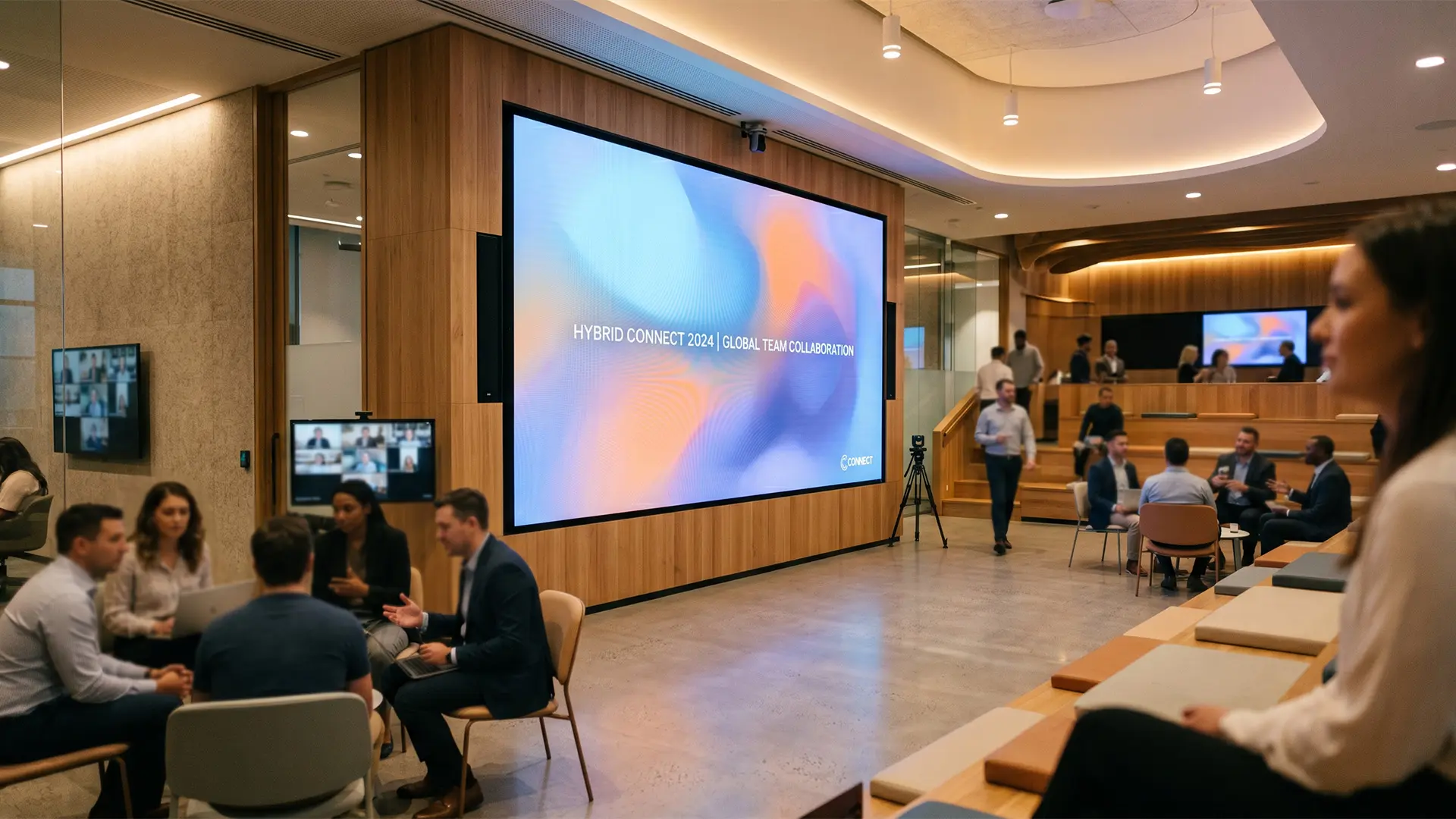
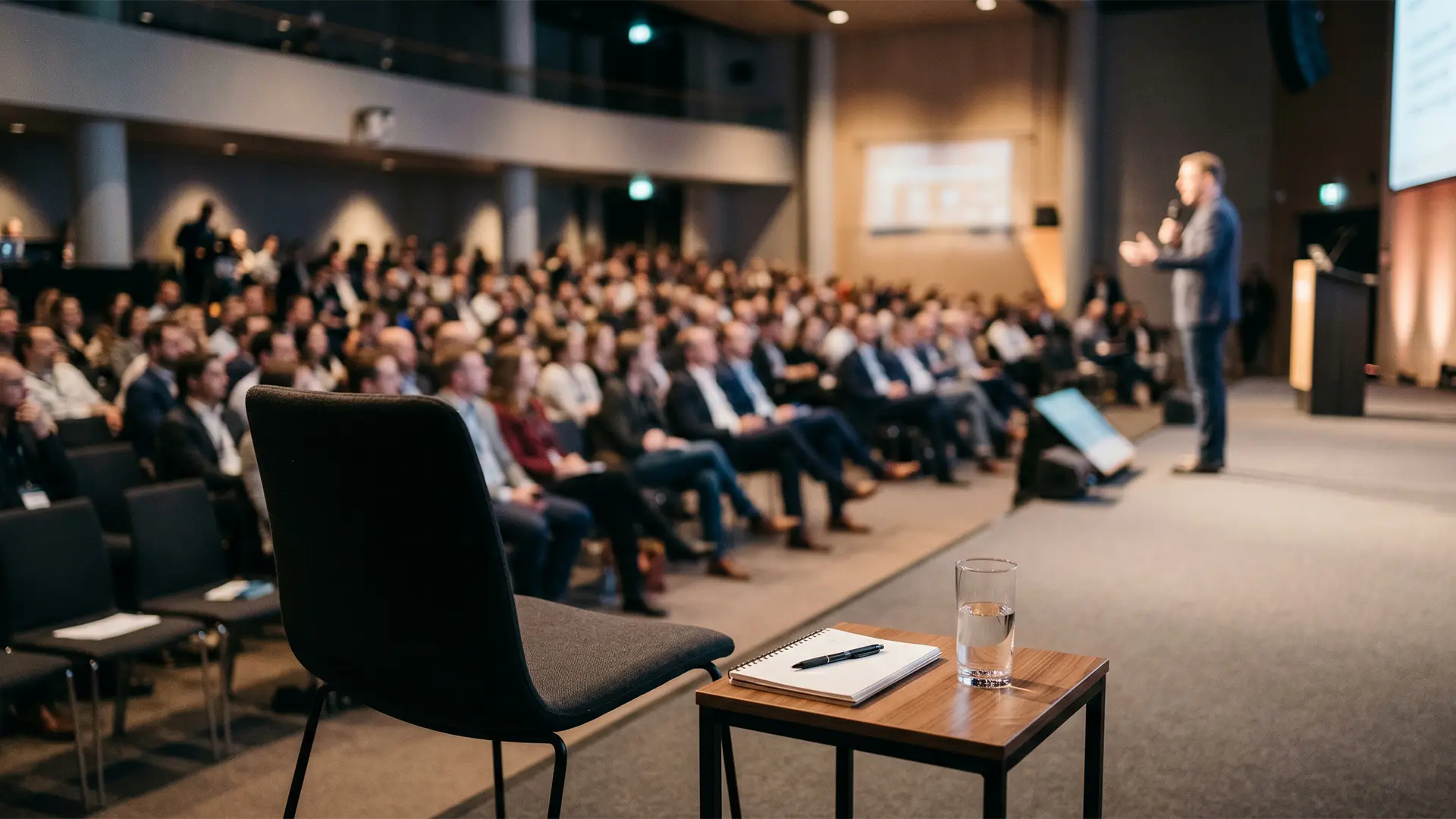
When we worked on Dunnhumby Live, the challenge was reaching a large internal audience spread across locations. Instead of relying on a single broadcast format, the content was structured across multiple studio setups and sessions. That allowed the same core message to be delivered in different ways, depending on the audience and context.
Start small.
Don’t worry - there’s no need for a complete reset. Just start with a simple review.
Look at recent work and see what regularly repeats. It could be formats or structures. From there, small changes are needed.
Agree on a few formats that can be reused and create templates that allow for flexibility. You can then brief teams and suppliers with reuse in mind.
Over time, you’ll benefit from a much more efficient way of working.
A shift in mindset.
The major change here is moving away from one-off outputs and towards something more continuous.
Content becomes less about a single moment and more about how it can be used over time. But not to reduce creativity - to actually support it.
Less time is spent rebuilding the same things so more time can be spent on the main message.
That's a wrap.
The demand for content is not slowing down. Internal comms teams, marketing teams, and bid teams will continue to face the same pressure to deliver, often at pace.
The difference is not always in how much content is created, but in how well it is designed to keep working.
We’d love to chat to you about how we can help your team create more for less. And we do make an excellent brew (if we dare say so, ourselves) so pop by our office in Huddersfield if you’re in the area.
Share this insight:
Link copied