Lately, we’ve been experimenting with AI…
Partly out of curiosity, partly out of necessity, and partly to answer the question so many people are asking: is AI really everything it’s made out to be or is it all a bit much?
Our first experiment took us into the uncanny (and occasionally unsettling) world of AI presenter cloning.
To put it to the test, we needed a willing volunteer.
What we did.
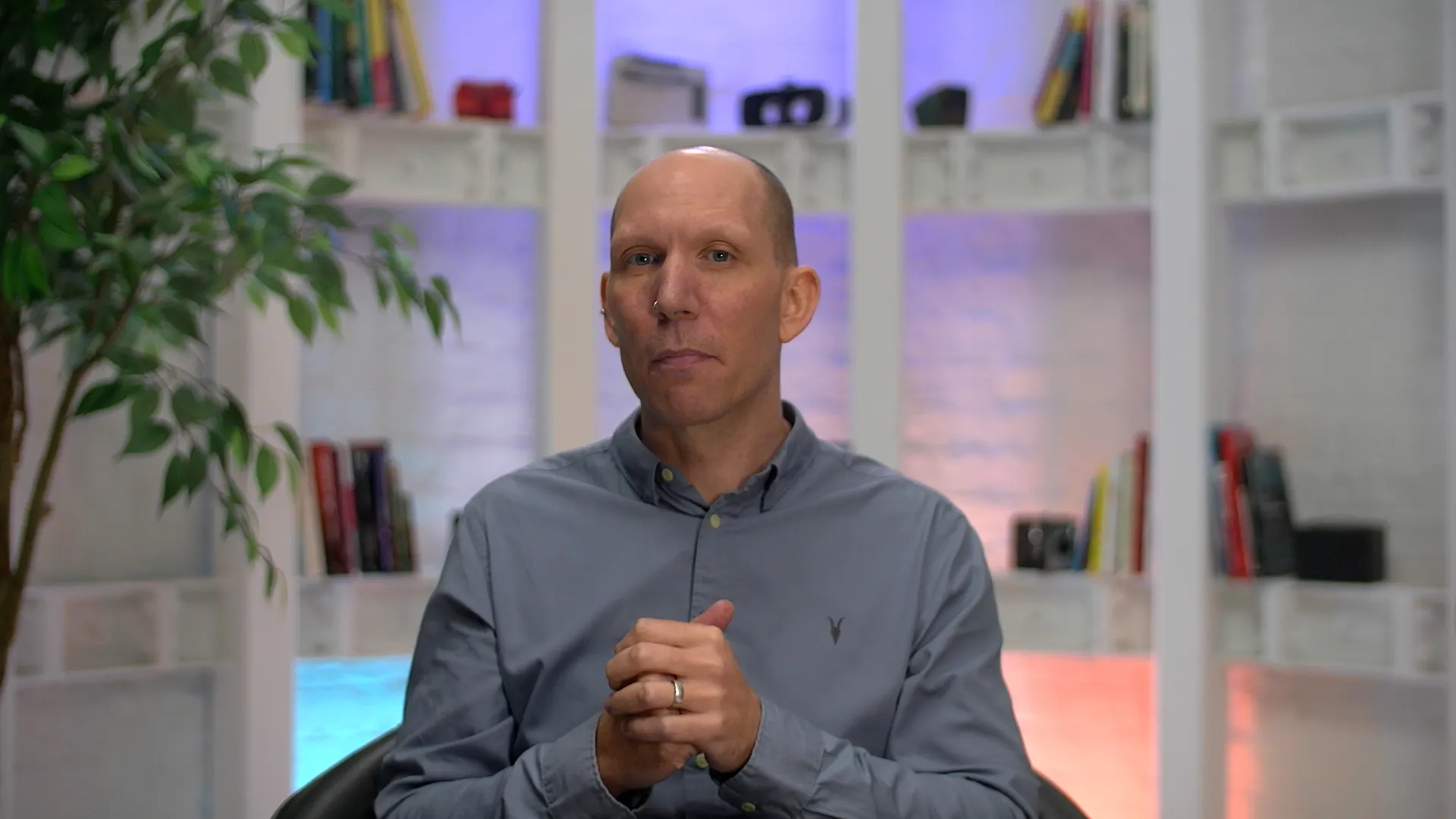
Confident, curious, and brave enough to see an AI version of himself brought to life, our MD, Owen, was the obvious choice. We fed the system a selection of video footage along with a script and waited to see what would happen.
The result was an AI Owen who moved his hands… a lot. Which, to be fair, he does do in real life.
The AI picked up on physical mannerisms remarkably well, replicating gestures and presence in a way that felt believable. Believable enough, in fact, to save time. But also fake enough to genuinely scare a producer who knows Owen very well.
And that’s where things got interesting.
From a production point of view, the clone was impressive. It looked real enough to be useful in the right context, especially when speed and efficiency matter. It definitely looked exactly like Owen. But it wasn’t perfect in other ways.
The voice, while clear and convincing, didn’t quite capture Owen’s familiar dulcet Yorkshire tones. Instead, we got something a little more RP. Someone who works with him all the time would absolutely notice. But would a wider audience? Perhaps not.
Where could this kind of AI be useful?
One way would be for post-production flexibility. Imagine you’ve filmed a video, everything’s signed off… and then a stakeholder comes along and wants a line changed or an extra snippet adding.
Rather than reshooting, rebooking talent, or rewriting around the problem, an AI clone could seamlessly add a new section to camera or voiceover. For internal comms, training videos, or updates with a short shelf life, that could be a real time-saver.
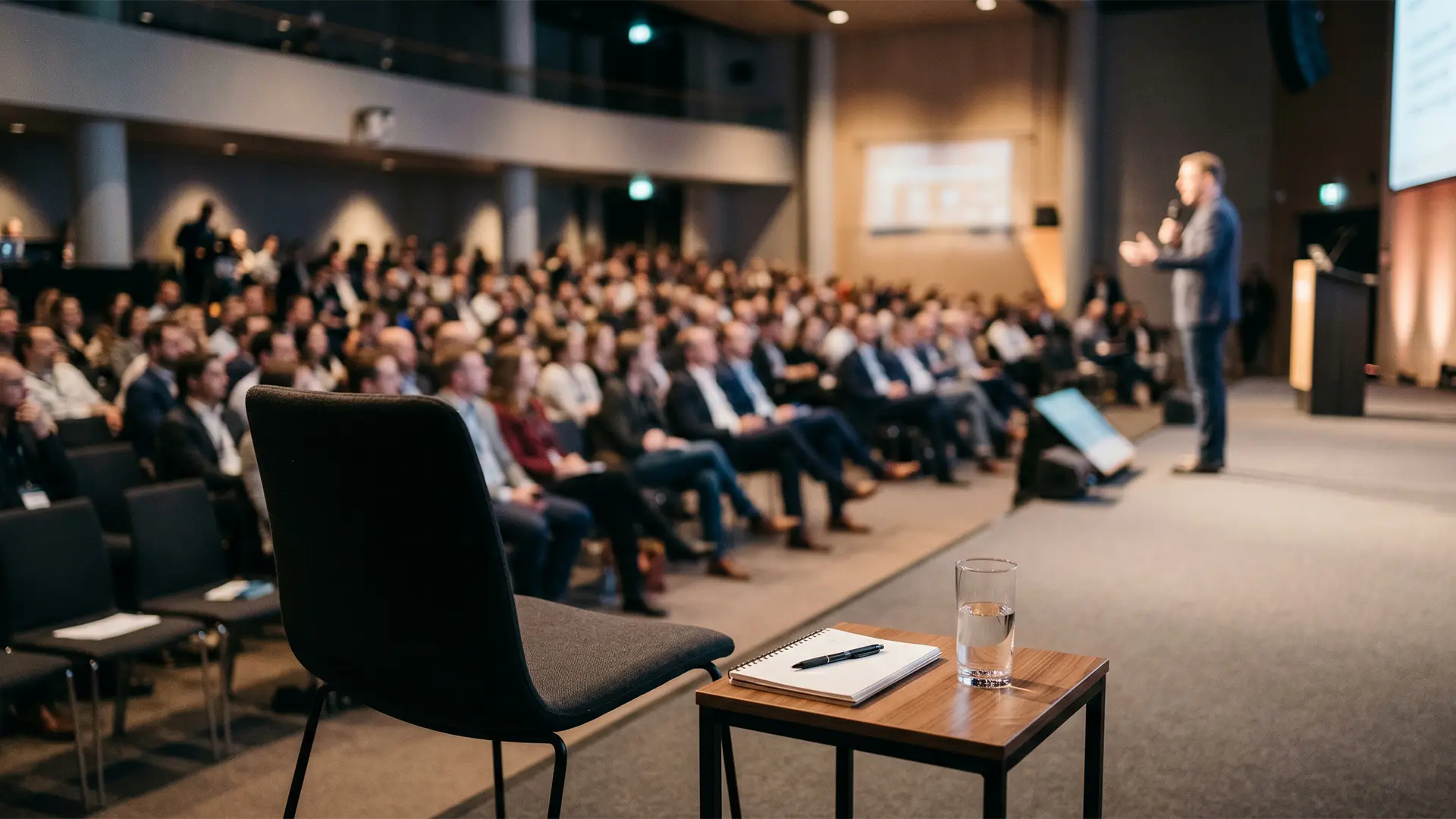
There’s also potential for live events and hybrid formats. An AI presenter could introduce sessions, deliver consistent messaging across multiple locations, or fill gaps where schedules change at the last minute. In global organisations, this could help scale communications while keeping a familiar face front and centre.
There could also be opportunities in accessibility and localisation. AI presenters could help adapt content for different markets, languages or formats without starting from scratch if ethics are handled properly.
Where AI cloning might be tricky.
AI presenter cloning is quite cool, but not magic. It’s great for scripted stuff like session intros, voiceovers, or getting the same message out across multiple locations - basically anything you want to be consistent and polished.
But the moment you need real emotion, improvisation or live interaction, it starts to show its limits.
In our experiment, the limitations became clear when the words being said didn’t match up with the actions our clone was making. And whilst the results of the experiment were quite funny, it definitely wouldn’t cut it for a piece of authentic communication.
Think about live Q&As, panel discussions, or those moments where a presenter reacts spontaneously. We don’t think AI could keep up. Body language, subtle expressions, even the tiny pauses that make someone feel authentic are tricky for a clone to nail.
And yes, people can sometimes sense when something feels ‘off,’ which can chip away at trust.
On top of that, you need good source material, and there are ethical and technical considerations to keep in mind.
That's a wrap.
This experiment wasn’t about replacing people. It was about understanding the technology, its limits, and its possibilities.
It’s good for certain messages, but for moments that need humour or genuine human connection, nothing beats the real thing. Used thoughtfully, it can be a powerful support tool for creative teams - saving time, increasing flexibility, and opening up new ways of working.
But this is only the beginning for AI. Keep your eyes peeled for more of our experiments in the coming weeks…
Share this insight:
Link copied