If you’re an agency or a business exploring AI for video, you’ve probably seen posts claiming, “I typed two lines into an AI tool and made this amazing video”.
It’s an exciting promise. But the reality is a bit more complicated.
AI can help produce some video content faster and cheaper, but it also brings new costs, creative challenges, and technical hurdles that aren’t always visible at first glance.
We’re sharing how we’re currently using AI, where it genuinely adds value, what the drawbacks are, and what we’re learning through our own experiments.
The truth behind the “two-line prompt”.
AI video tools are developing at incredible speed. The idea that you can create cinematic video content from a short prompt is seductive, and sometimes it can work. But what’s often missing from those viral social posts is how much trial, error, and rework sits behind those impressive results.
Each iteration takes time, and often, money. Generating a five-second clip might seem cheap at first, but after ten or twenty versions to get it right, the cost starts to climb. And while AI can reduce production costs, it rarely eliminates them.
There’s also the issue of control. AI-generated footage can misinterpret brand guidelines, colour palettes, or facial likenesses. The tools are fast, but they still need a creative eye to guide them.
The idea that AI instantly replaces a production crew isn’t quite true. What it can do - if you use it strategically - is open new creative opportunities that were previously out of reach for smaller budgets.
How we’re using AI in our studio.
Our approach to AI is practical. We see it as a tool to enhance our workflow, not replace it.
We’re also using AI in several everyday production tasks. For example, we now generate temporary voiceovers using AI instead of recording guide tracks in-house. This lets clients see and hear early drafts quickly, and if they want changes to the script, we can adjust before committing to a professional voiceover session.
Another area where AI helps is in transcription and subtitling. Automated tools speed up the process dramatically, although a human still checks accuracy. For concept development, our designers use AI image generation to visualise storyboards and ideas before production begins. It’s not the final art, but it helps teams and clients align early on.
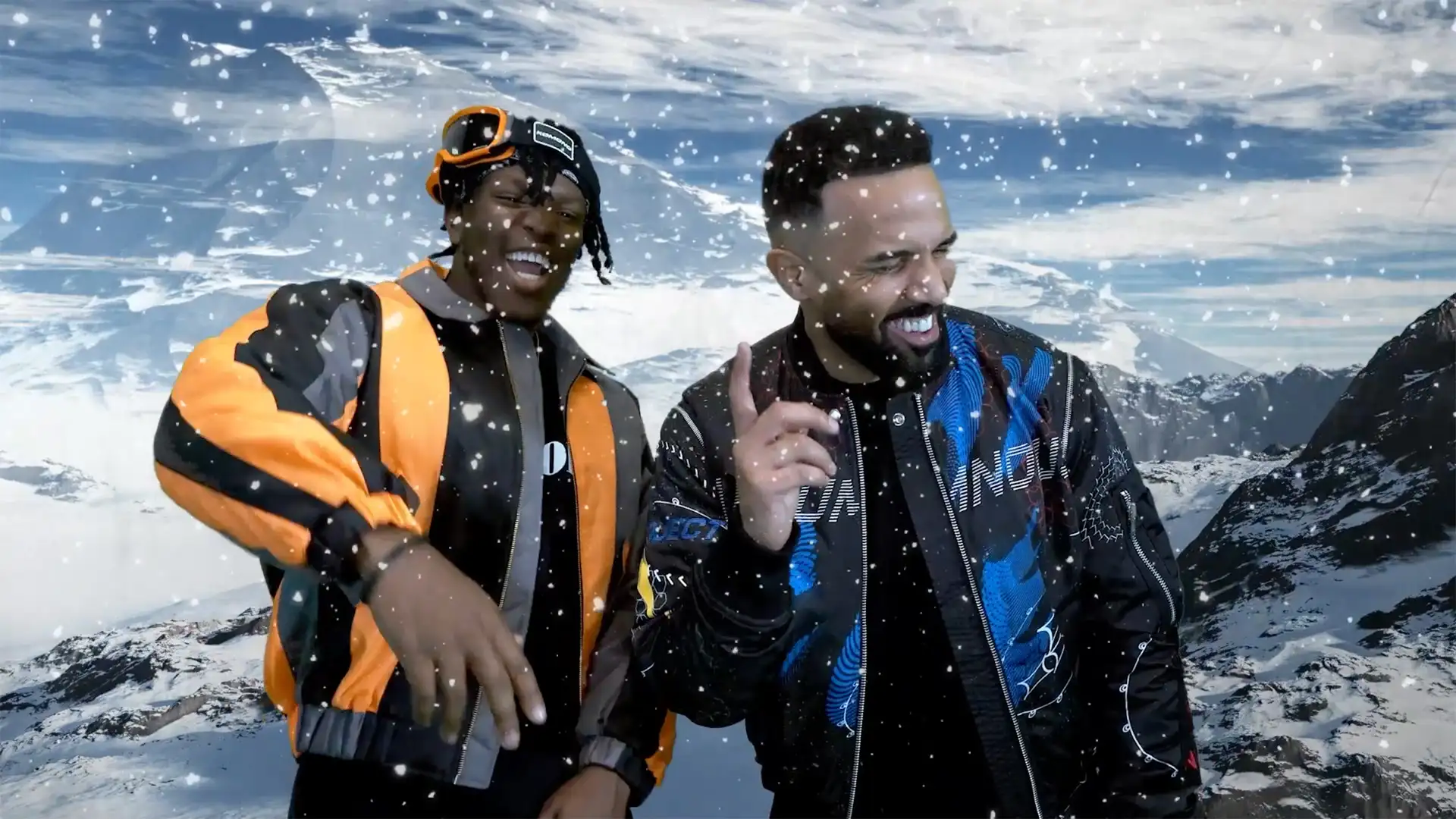
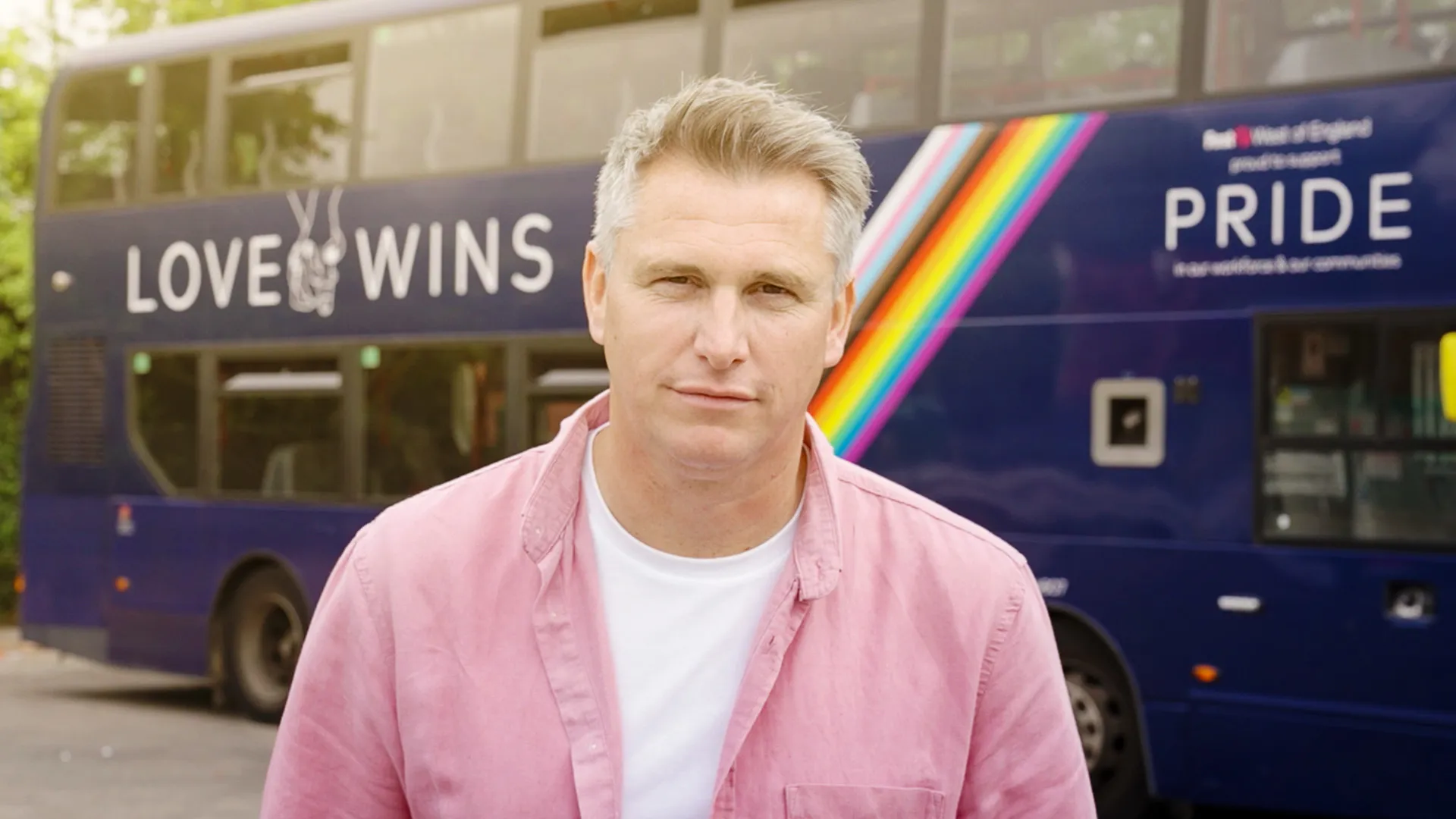
We’ve been experimenting with AI-generated video using the likeness of our managing director, Owen, with his full consent. The goal is to understand where these tools can genuinely help and where they still fall short. It’s not about producing polished marketing pieces; it’s about learning through trial and error.
What we’ve learned is that the best results come from combining AI with human expertise. It’s about knowing when to use it, not just being excited that you can.
The advantages of AI in video production.
AI can make video production faster. You can turn ideas into visuals within hours rather than days, which is ideal for pitches and creative development.
AI also brings flexibility. You can produce multiple versions of the same video for different audiences or languages without reshooting everything. For marketing teams that need to scale content, that’s a real advantage.
But these benefits only appear when AI is used with purpose and skill. Without direction, the process can become expensive and frustrating fast.
The drawbacks and the hidden costs.
The biggest misconception about AI video tools is that they’re free. In practice, experimentation has a price. Most tools charge per generation, per second, or per credit. If you’re testing ideas or refining prompts, you can easily run through dozens of paid iterations before you get the one that works.
For large brands, that’s manageable. But for smaller projects with tighter budgets, there’s little room for error.
Another drawback is quality control. AI models interpret prompts differently. Getting the right lighting, emotion, or motion can take many tries, and even then, it may not fully match your brand tone. Human review remains essential, not optional. Repeatability and iteration can also be challenging - getting something that’s ‘almost right’ and then using prompts to adjust and amend is a different process to working with traditional tools and isn’t necessarily linear.
Finally, there’s the question of ethics and transparency. Whenever we use AI-generated likenesses or voices, we only do so with full permission and disclosure. That’s not just a legal safeguard. It’s part of maintaining trust between creators, clients, and audiences.
Where AI fits best right now.
From our experience, AI works well for supporting creative production rather than replacing it entirely. It’s excellent for storyboards, mock-ups, and improving accessibility. It’s less reliable for complex, cinematic storytelling that relies on performance, subtle expression, or brand-sensitive visuals.
We’ve also found it valuable in pre-production and ideation stages. It helps visualise concepts quickly, align teams, and spark creativity. But when it comes to final delivery, especially for broadcast or high-end commercial work, traditional production still has the edge for quality and consistency.
The key is balance. AI doesn’t remove the need for people; it changes how people work.
That's a wrap.
AI in video production is here to stay. It offers speed, flexibility, and cost savings that make it worth exploring. But it’s not magic, and it’s not free. Every impressive result you see online usually hides hours of testing and fine-tuning behind it.
If you’re thinking about using AI for content creation, start small. Choose a use case where you can learn without high risk… maybe an internal announcement, a concept video, or a social clip. Measure the time, quality, and cost, then decide how far to take it.
We’re continuing our own AI experiments and will share what we learn - the successes and the failures. Because the only way to get better at this technology is to get hands-on and keep testing.
Share this insight:
Link copied