Global businesses often face the same challenge: how do you help people across countries and time zones feel like one team?
You might have 200 colleagues in Leeds who need to connect with 300 in Manila.
They want to share the same energy, feel included in the same conversations, and leave with a sense of unity.
That’s not easy when distance, culture, and technology all get in the way.
Here at Paradigm, we’ve seen first-hand how events can bridge those gaps when they’re designed with care. Here are some proven ways to make people feel closer, no matter where they are.
The challenge.
When you host an event across multiple locations, people often feel disconnected. The main site usually gets all the energy while smaller offices are left watching passively.
Time zones create barriers to live participation. Colleagues often don’t get the chance to ask questions or interact in real time, and it’s easy for regional voices to get overlooked if the agenda isn’t inclusive.
The result is an event that feels like it belongs to one country rather than the whole business, which undermines the sense of shared purpose you want to build.
How to bring people together.
The good news is that there are practical ways to solve this problem.
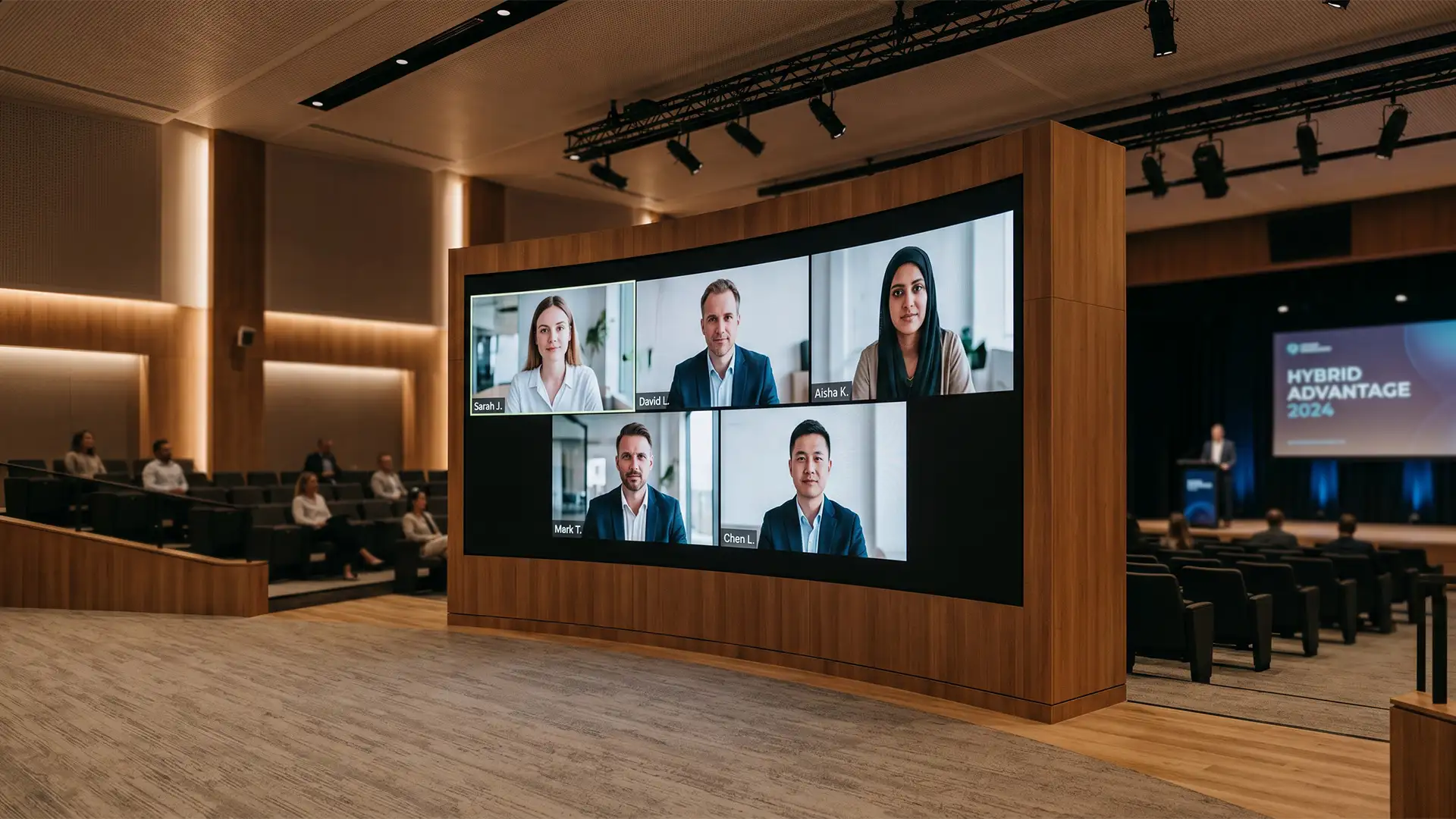
The first is to make sure smaller offices are actively included in the event. Invite them to join live colleague panels as part of the main agenda and create opportunities for them to speak.
Another option is to use a branded event platform that allows participants to message one another and move through virtual networking spaces. This makes it easier for conversations to develop naturally and gives everyone the chance to interact.
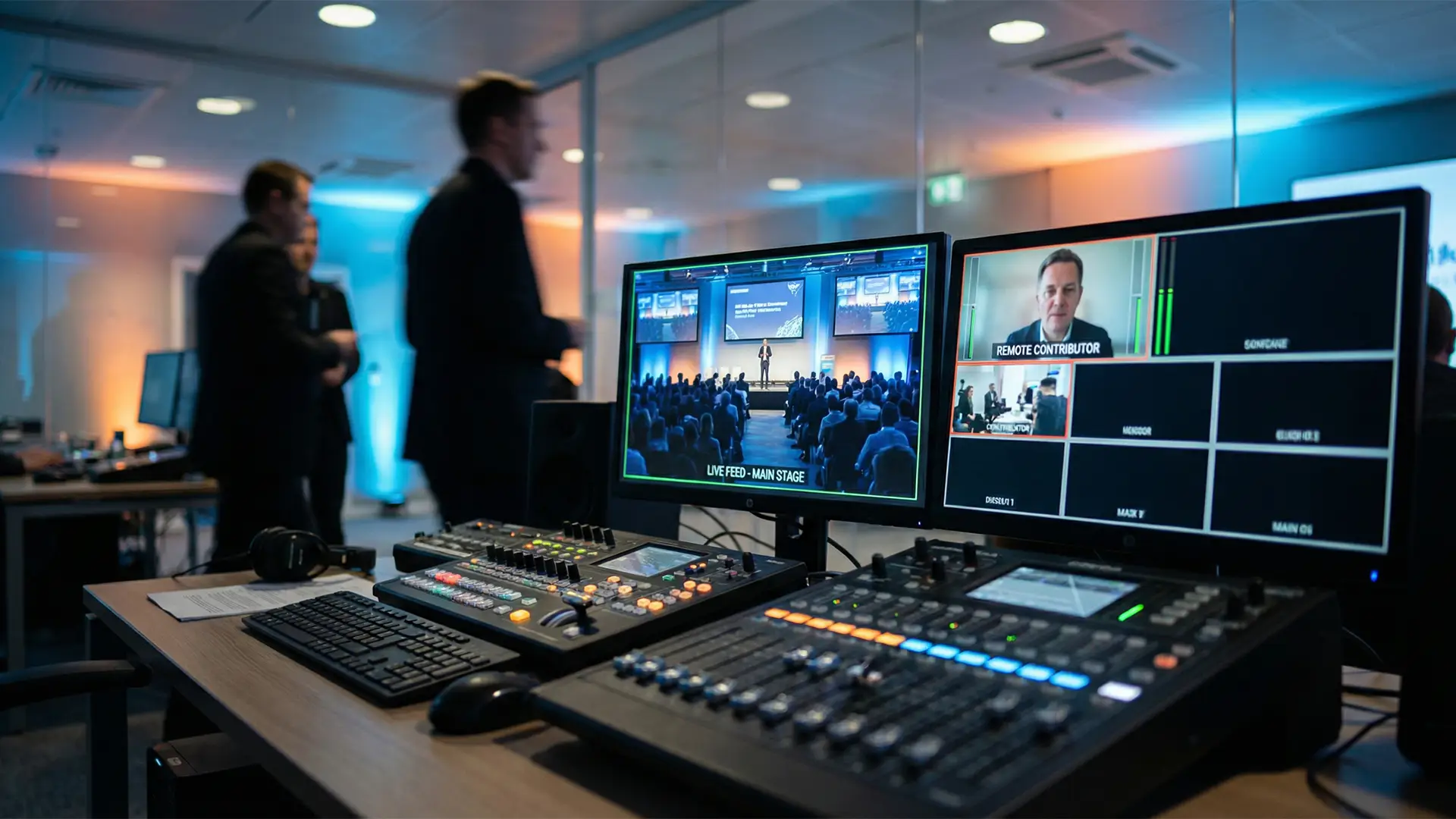
Using video and interaction tools are a great way to capture contributions from across the business. Ask regional teams to submit short videos ahead of time so that they are represented even if they cannot attend live.
Polls and Q&A sessions that run globally before and after the event are also powerful. They allow everyone to contribute questions, share reactions, and learn from different perspectives.
Another way to connect people is to share the stage. When you have hosts and presenters from different regions, everyone feels represented. This avoids the impression that one office is running the event while others are ‘just watching’. Including local voices makes the content more relevant and personal for every group.
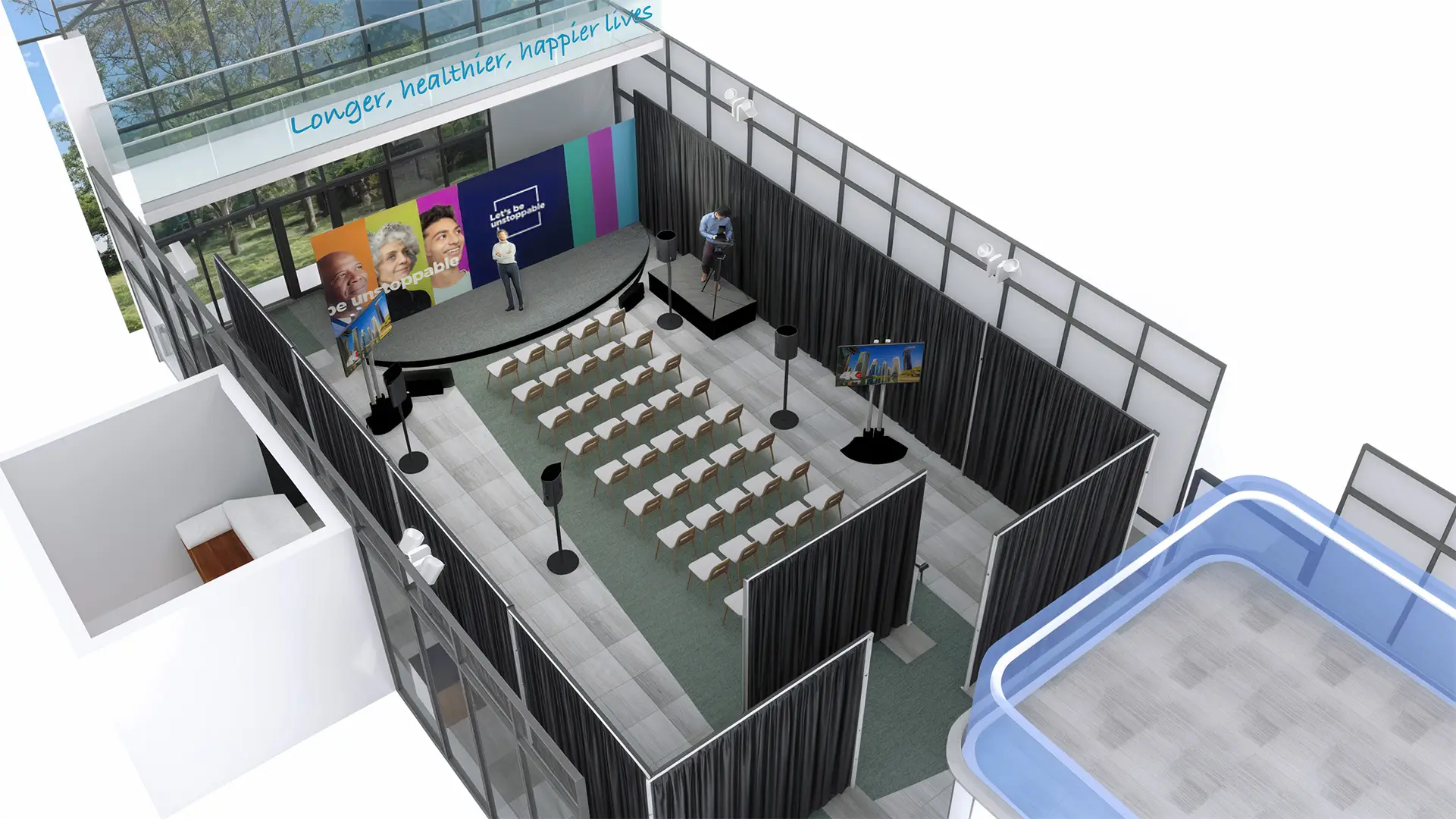
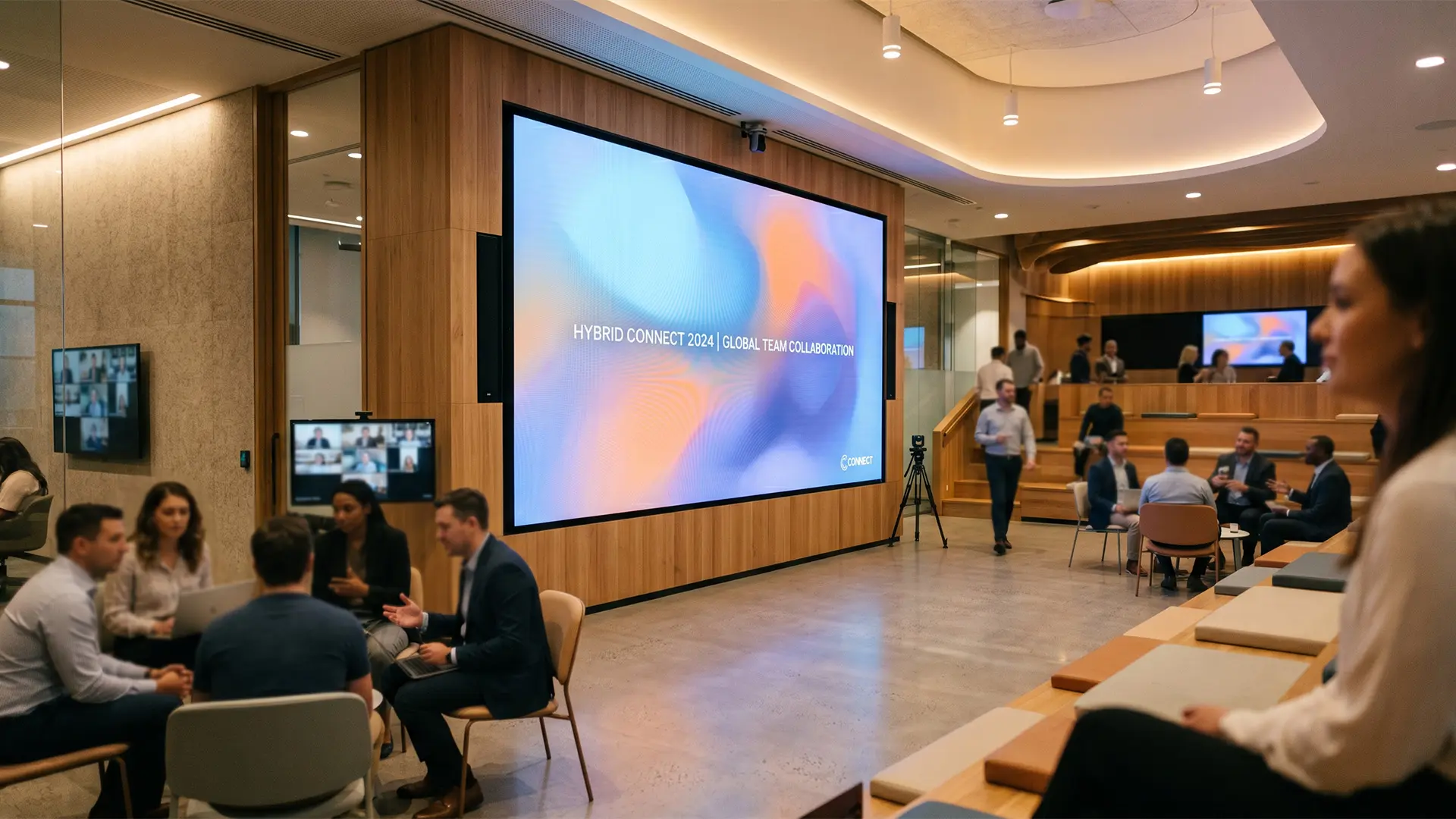
Events also need a social element. Organising watch parties at each site gives people the chance to experience the event together. Linking them live so they can wave and cheer creates a sense of being in the same room.
Adding simple touches such as branded backdrops, care packages, or photo opportunities helps colleagues feel part of the celebration.
Finally, respecting time zones, and public holidays is essential. If you want people to participate, you need to meet them where they are. Running sessions at multiple times or creating a roadshow, either physically or virtually, makes the content accessible to everyone.
Paradigm has recently worked with a publishing house to do exactly this. Teams in the US, India and Australia each took part in UK tours and celebration visits, ensuring no one was left out.
Practical example.
One client asked us to help connect teams spread across continents. We organised live panels with colleagues from smaller offices, used pre-submitted videos, and scheduled sessions across different time zones.
The effect was clear: people felt like they belonged to one event, not three separate ones. The simple act of being seen and heard made all the difference.
That's a wrap.
When you’re bringing together people from Leeds, Manila, or anywhere else in the world, the aim is always the same: to help them feel included.
To succeed, you need to give smaller sites a voice, capture contributions through video and Q&A, include regional presenters, create shared social moments, and respect time zones.
If you’re planning events for a global business, make inclusivity your priority. The more people feel part of the experience, the stronger the connections you build.
So next time you plan a global event, ask yourself - does every region feel seen and heard? If the answer is no, it’s time to change your approach.
Share this insight:
Link copied