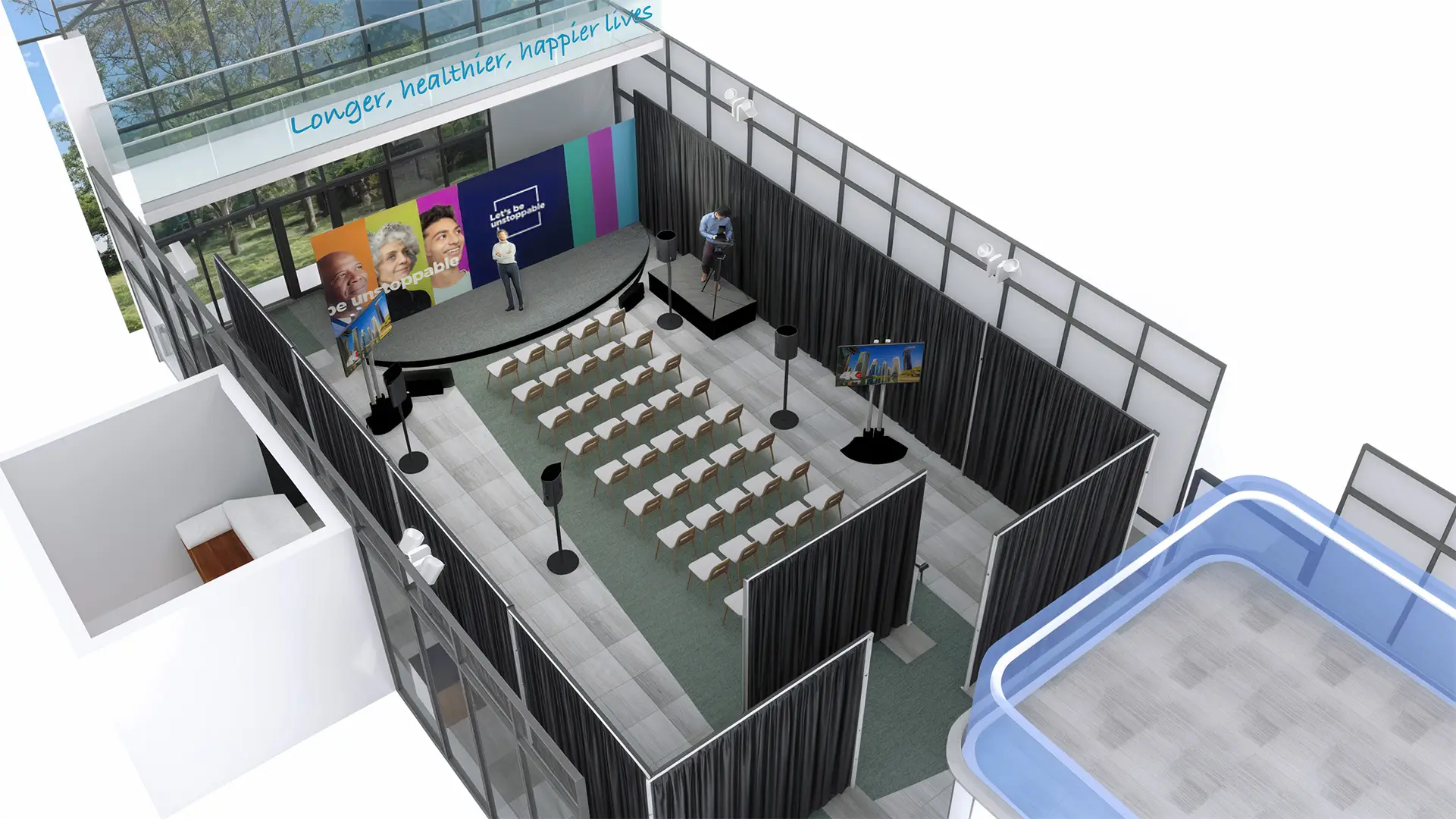
When it comes to choosing the right event venue, it’s easy to get caught up in the surface details.
The space looks stylish, the catering sounds delicious, the location is convenient, it has the right amount of space - all big ticks.
But before you sign on the dotted line, there’s one factor that should be right at the top of your checklist: where’s your production and AV coming from?
What in-house AV looks like.
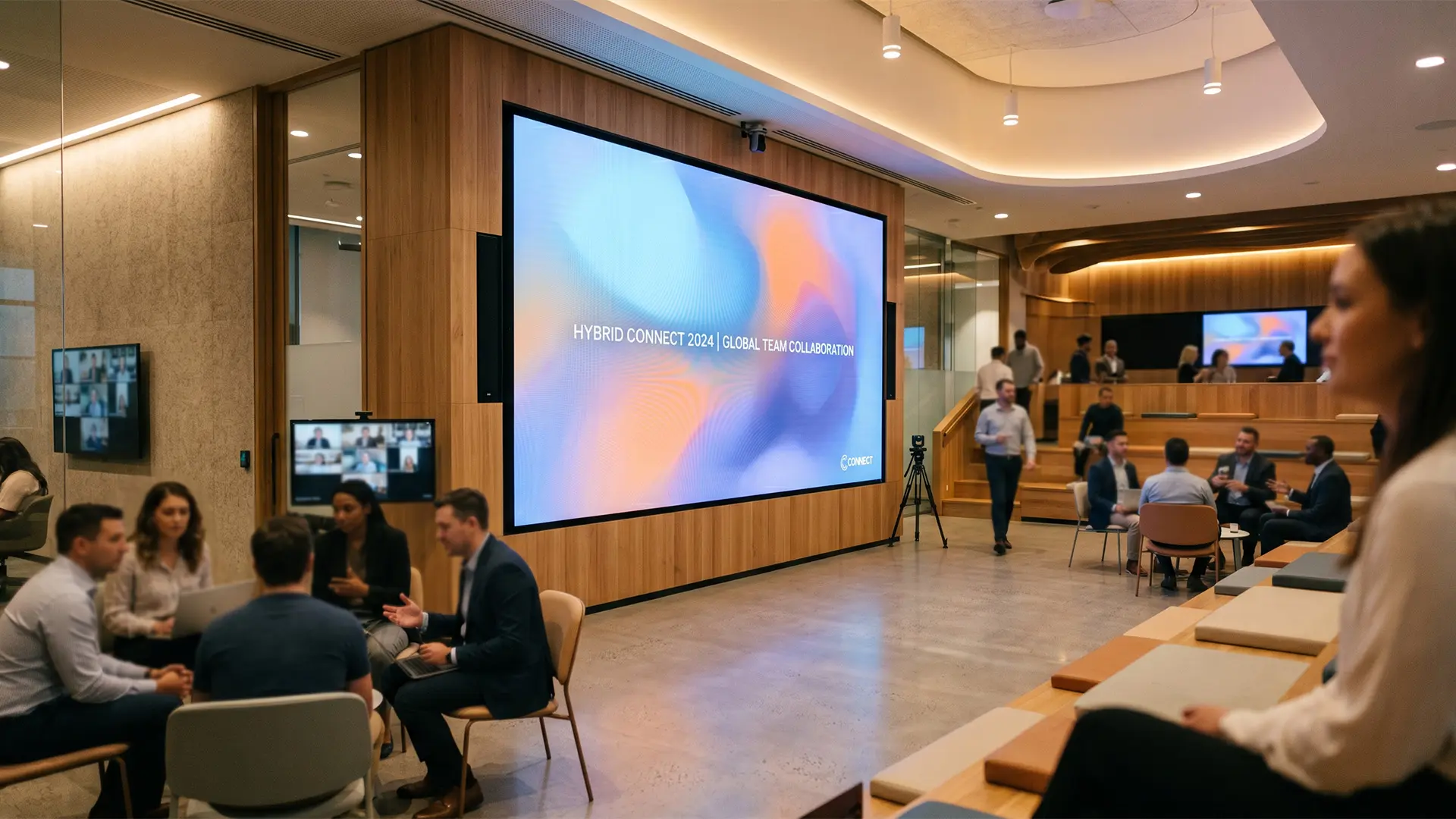
Most venues install equipment that covers day-to-day needs. It’s designed for general use. Sometimes their systems are self-serve and controlled by a simple touch panel on the wall.
Sometimes they might have a small amount of kit installed and a technician who can operate it.
If all you need is a single laptop plugged in to share a slide deck and a few people speaking, that can work fine. But if you’re planning something that requires more flexibility, you might find you hit limits.
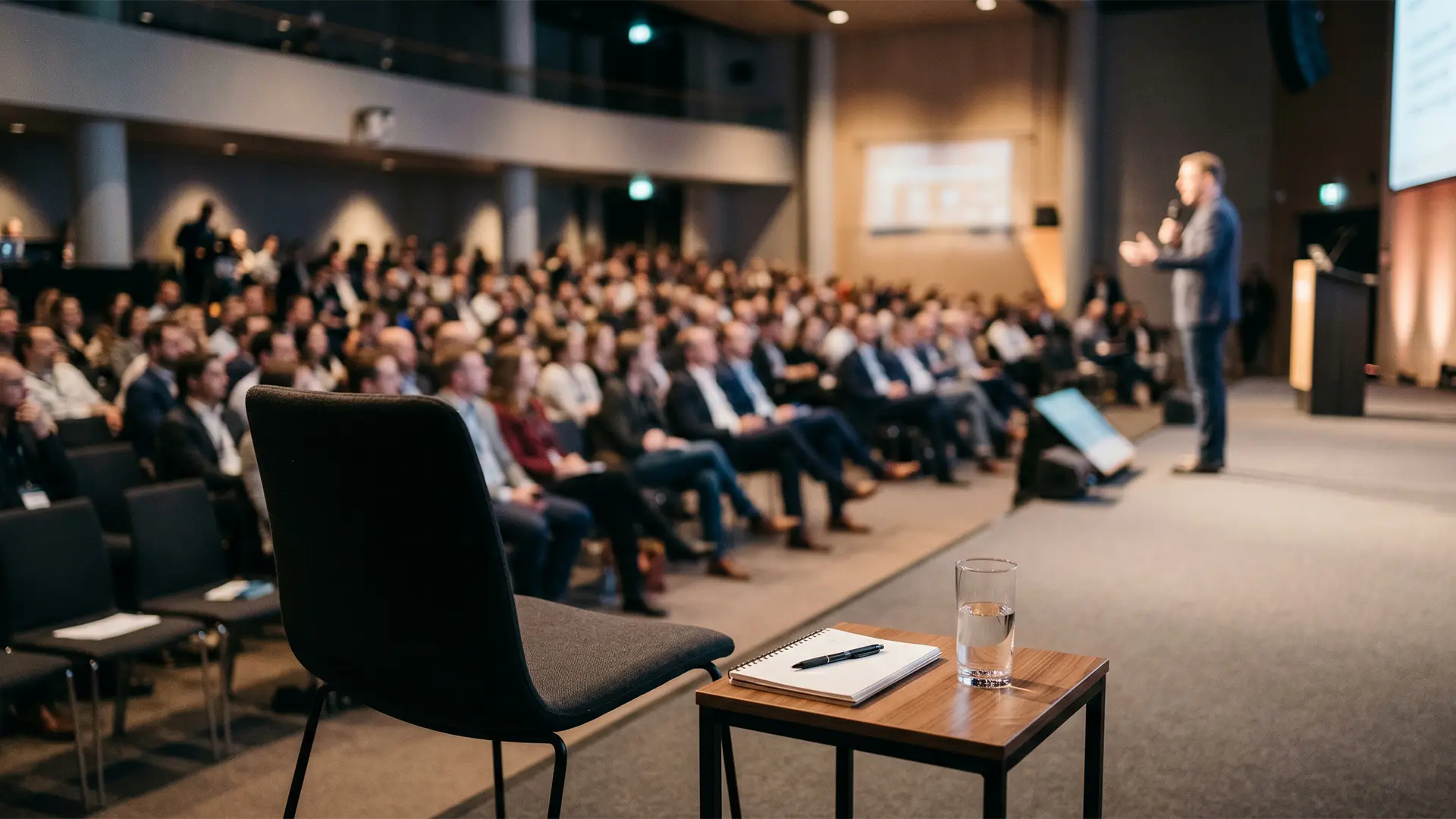
The reality is that your event isn’t just about whether people can technically hear or see. It’s about the overall experience - clear visuals, clean sound, great lighting, engaging sets, smooth transitions, and the ability to react quickly if plans change.
This might be perfect for what you want your event to achieve, it’s important to check what the capability covers, and also what it doesn’t cover and who will be operating any equipment.
How venues handle outside production.
Every venue has its own approach to production, which can complicate things further. Some will allow you to bring in your own team freely. Others only work with preferred suppliers or charge a buyout fee if you don’t want to use their in-house team.
In some cases, you can use your own production crew but must stick with the venue’s rigging company for anything that needs to be flown.
None of these models are right or wrong. It really depends on your event and what you’re trying to achieve.
The important thing is knowing what you’re working with in advance so you can plan properly.
This includes checking what the level of capability is, who’s providing it, who the crew are and getting comparative quotes.
Having an experienced partner at your side can make these conversations easier and helps you make the right decisions for your budget and your audience.
Why a production partner makes the difference.
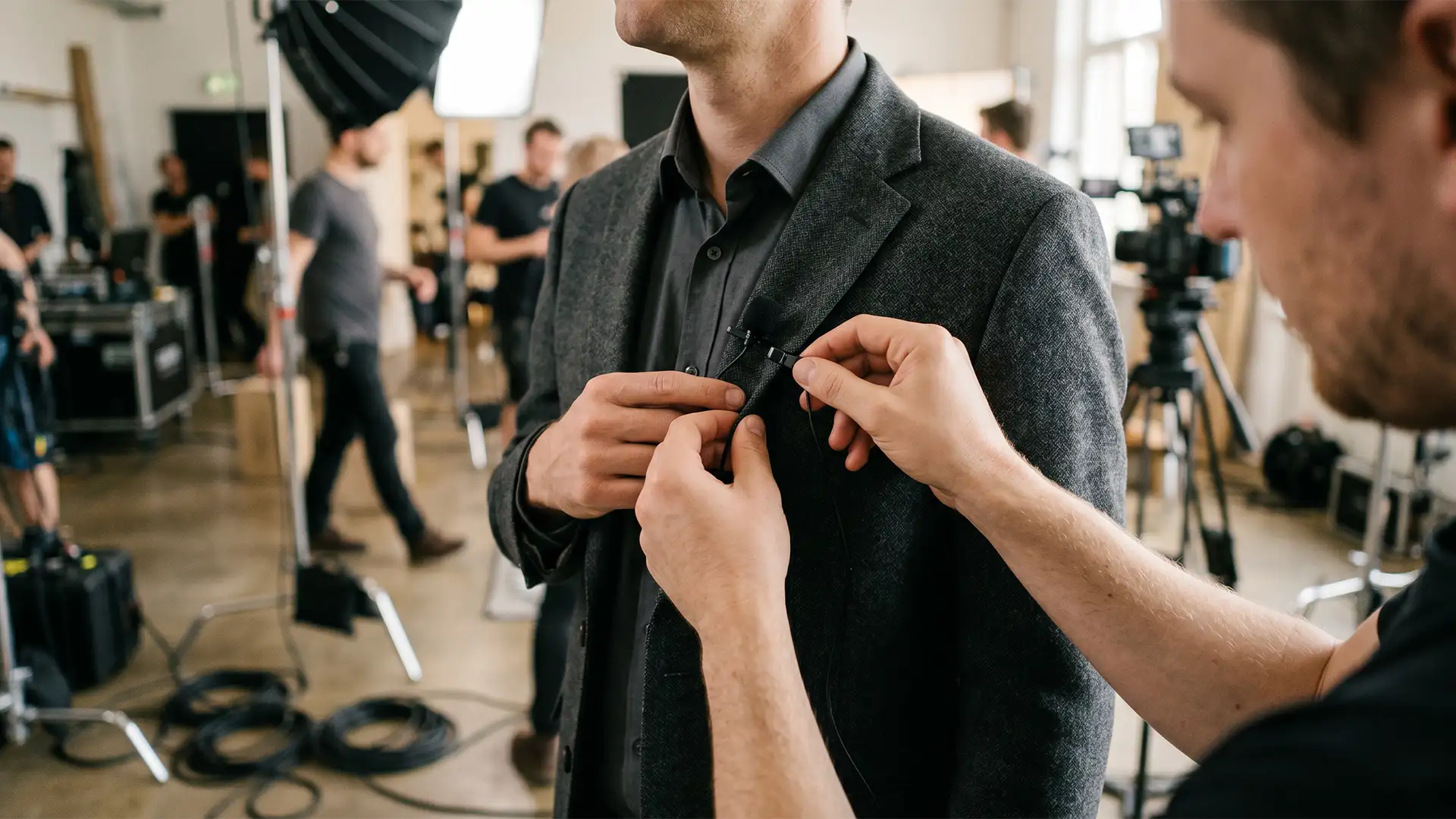
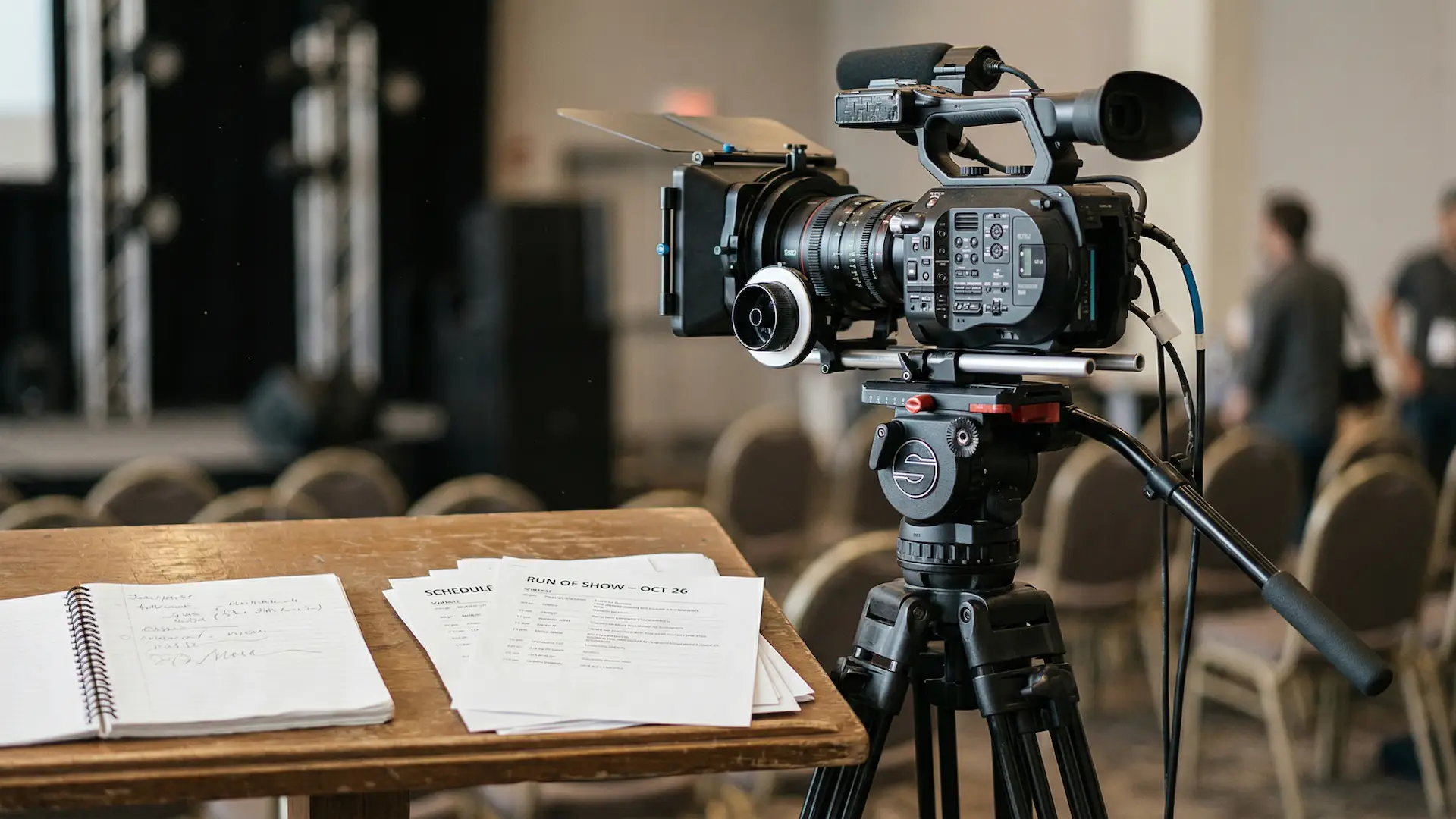
This is where having a trusted production partner comes in. Their role is to translate what the venue offers, either in-house, with preferred suppliers or with outside options into what you actually need. They’ll identify the gaps, advise on potential solutions and who is best to supply those. They could also bring in additional equipment to augment what might be already there to get best value for your budget, and make sure everything runs smoothly on the day.
But it’s not just about the gear. A production team will plan your event in detail, operate the systems professionally, and adapt when something unexpected happens. They also protect your budget by helping you avoid unnecessary last-minute rentals.
Three questions to ask before you sign.
Before you commit to a venue and a production solution, there’s a few things to check over:
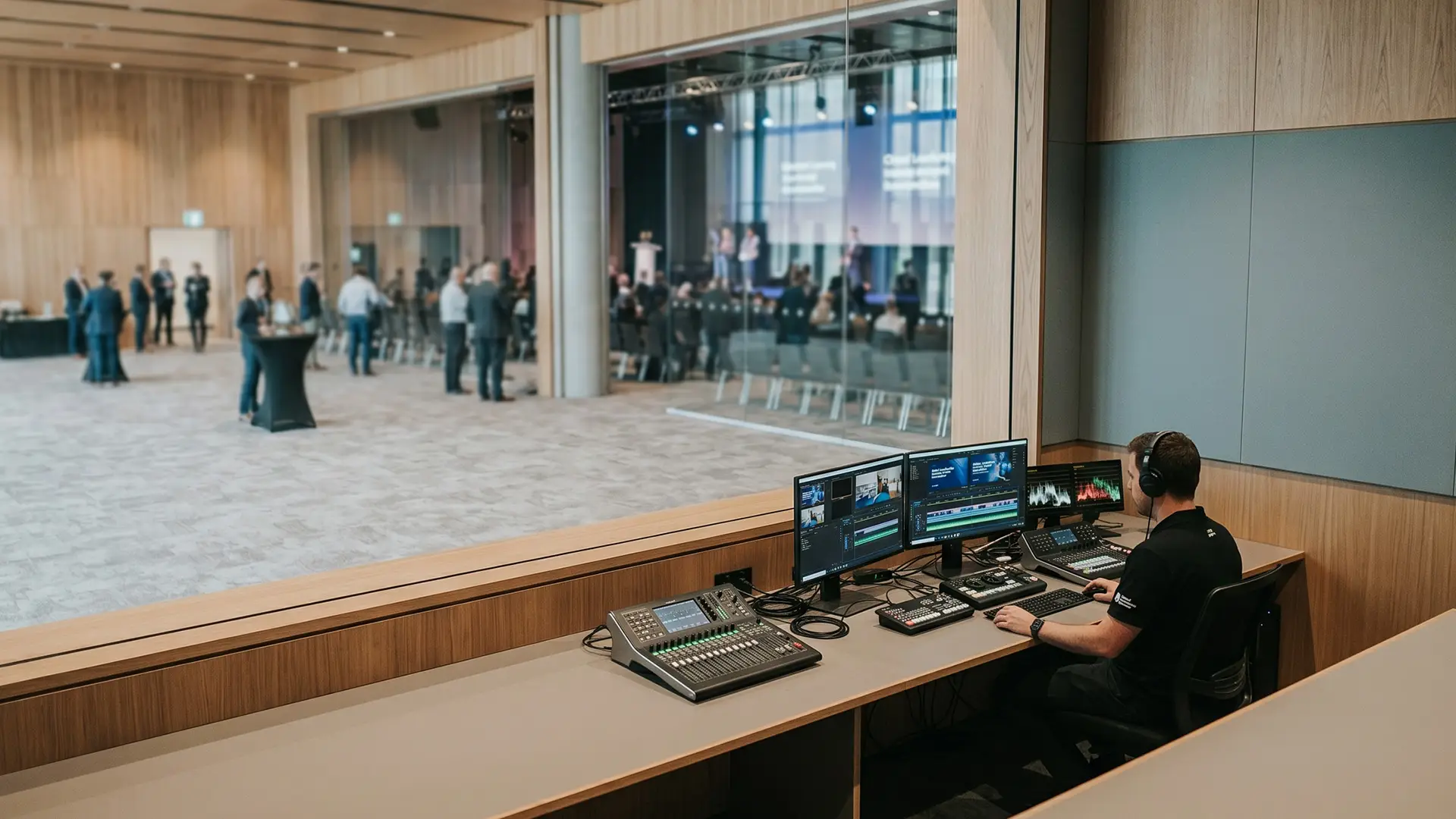
First, find out who will actually be operating the system. Will there be a skilled technician in the room throughout, ready to manage sound levels and solve problems? Or is it a case of someone plugging you in and disappearing?
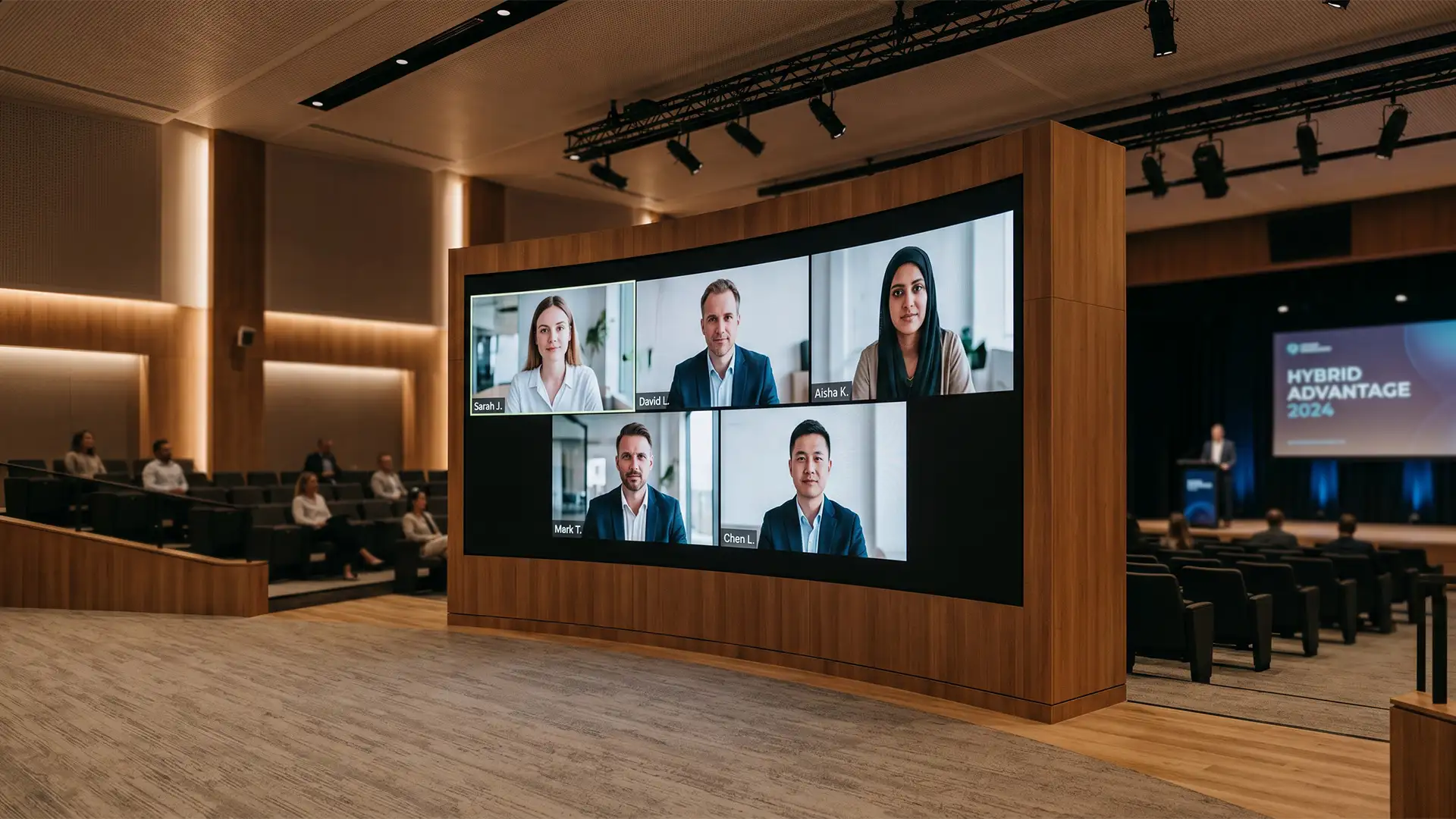
Second, ask about flexibility. Can extra microphones be added if needed? Can you switch easily between different laptops? If a senior leader suddenly needs to join remotely, is the system capable of supporting that smoothly?
Finally, don’t be afraid to test the kit. Ask to see the projector in action during your walk-through and listen to the sound system. You don’t need to be an expert to notice if the picture looks fuzzy or the audio feels flat. A quick check upfront can save you a lot of frustration later.
That's a wrap.
By asking the right questions, testing the kit, and understanding any limits, you’ll save yourself from last-minute costs and avoid the stress of a compromised event. Bringing in a production partner from the very beginning ensures you know exactly what’s possible and what gaps need to be filled.
Your audience will remember the quality of the experience, and they’ll remember if things go wrong that interrupt their ability to see, hear and experience your messages. That’s why planning ahead and working with people who understand both the technical and creative side of events is essential.
Share this insight:
Link copied