Since we started Paradigm, communications, events and content have changed at pace.
Internal comms teams and marketing managers are expected to deliver more, across more channels, with less room for error. The pressure isn’t just to produce content, but to make it land, stick and drive action.
Paradigm’s rebrand reflects how our own way of working has evolved in response. After almost 15 years in the business, we’re no longer focused on individual outputs. We’re all about the whole communication problem.
Here we explain what’s changed, why it matters to internal comms and marketing teams, and what a more connected approach can unlock.
The problem: delivery without direction.
Many teams still operate in reactive mode. A video is needed. An event is booked. A livestream is added late in the process. Each piece might be well produced, but together they don’t always tell a clear story.
Research backs this up. Axios HQ reports that miscommunication costs organisations thousands per employee each year through lost productivity and confusion.
The issue isn’t effort or talent. When content, events and messaging are planned in isolation, impact suffers.
How Paradigm has changed.
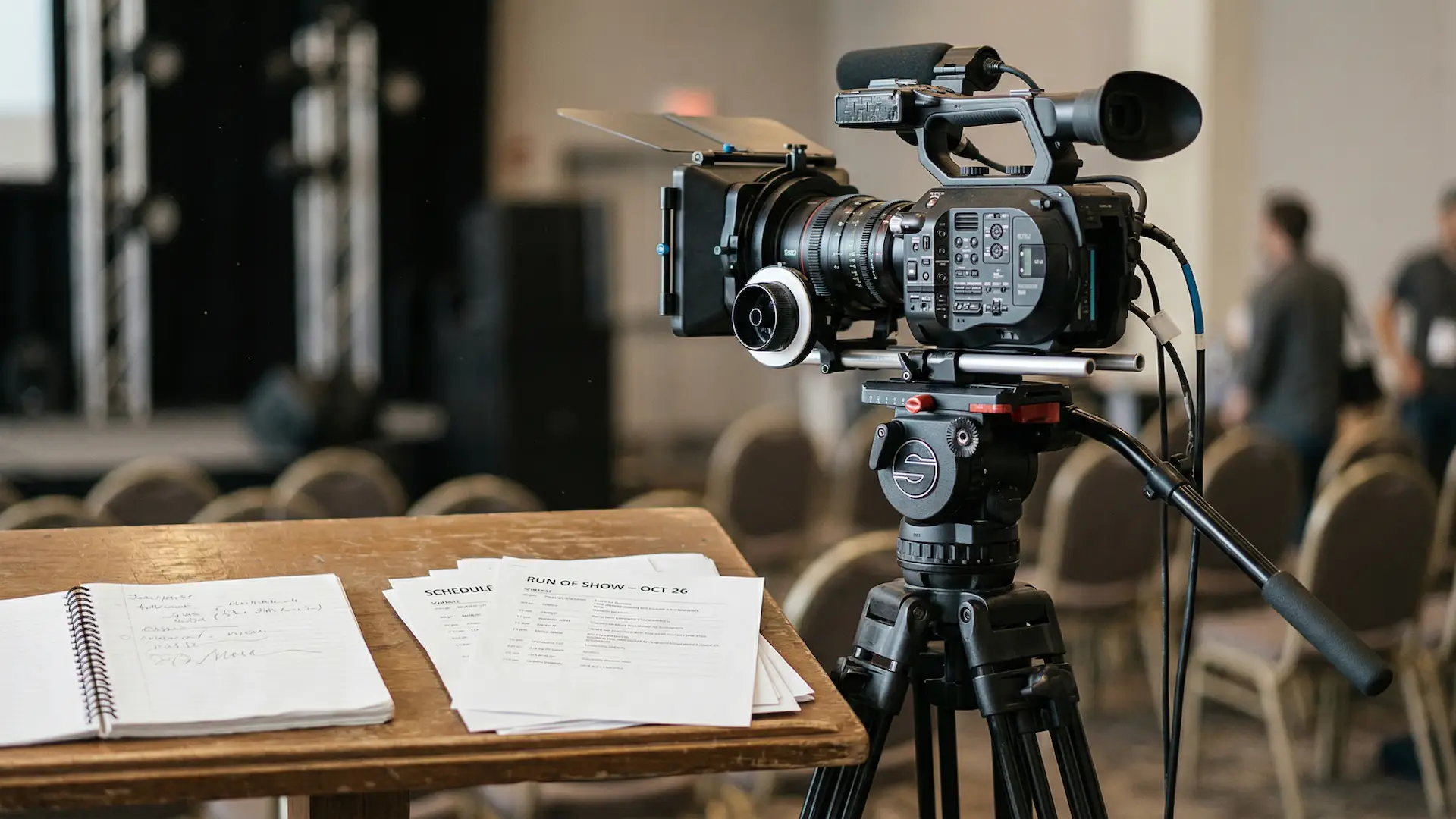
When Paradigm last refreshed its brand in 2019, the focus was different. We were primarily known for video production and individual content delivery.
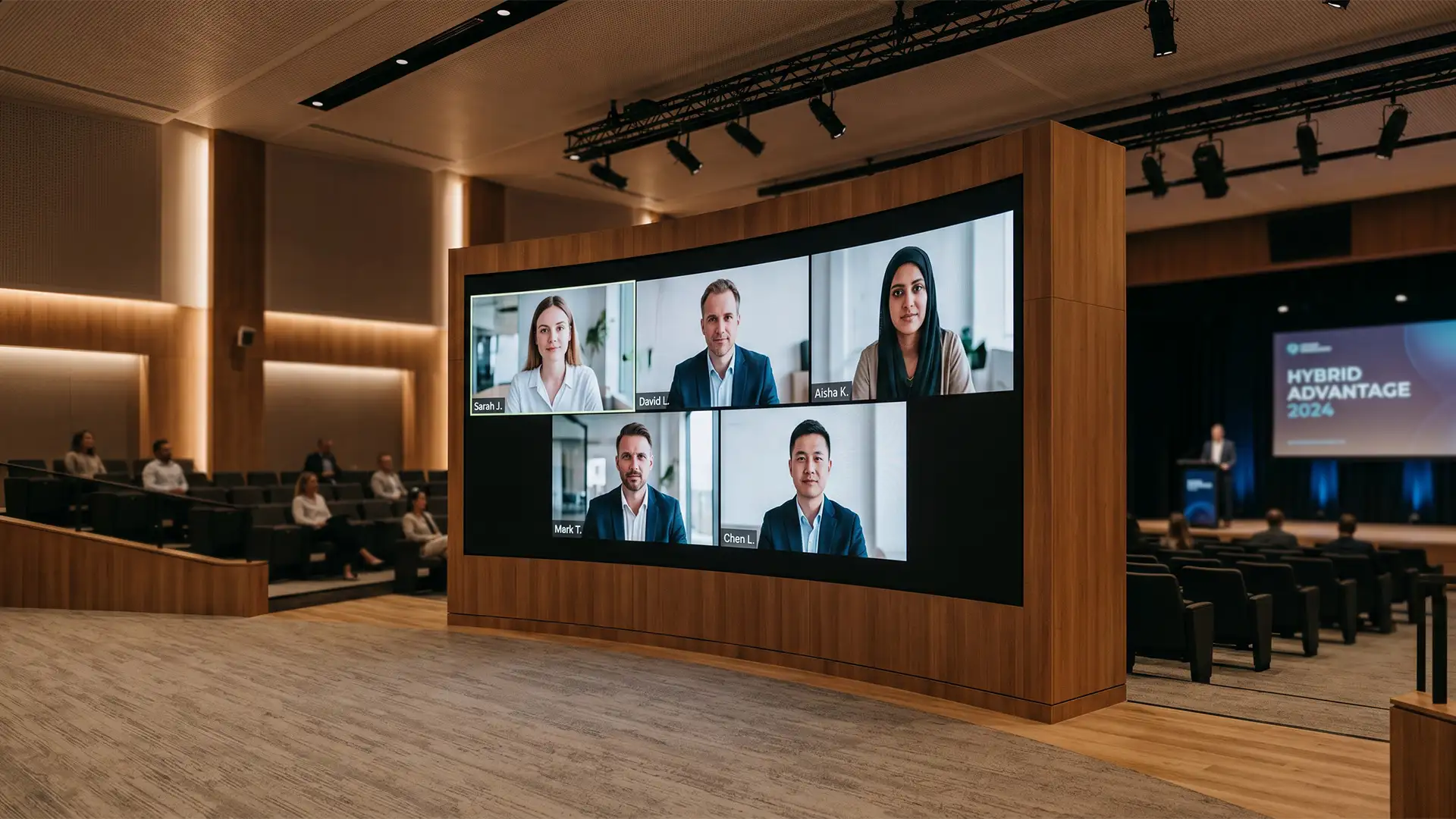
Then the world shifted. COVID accelerated livestreaming, hybrid events and digital-first communication. Organisations had to rethink how they reached their people.
So did we.
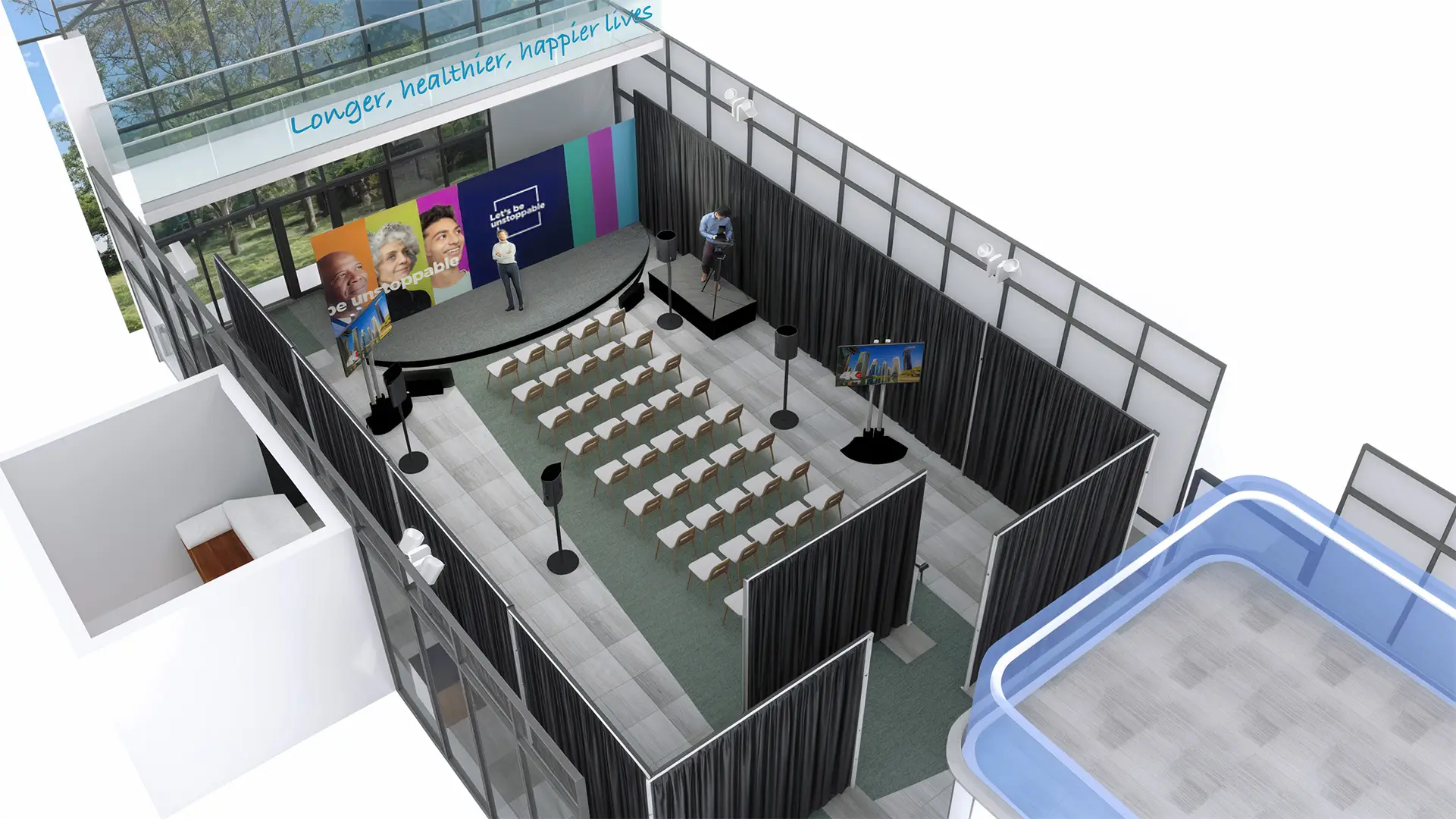
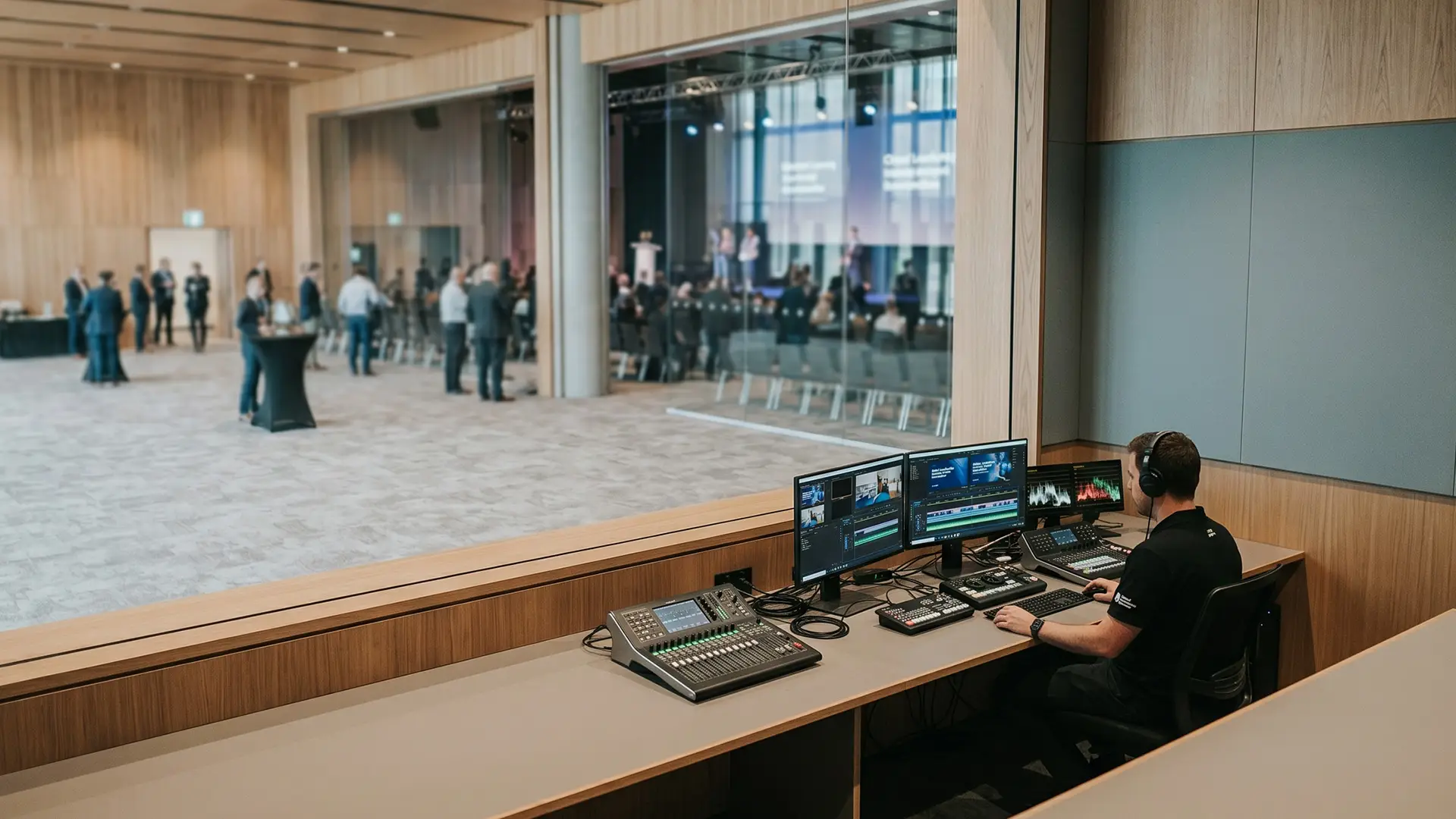
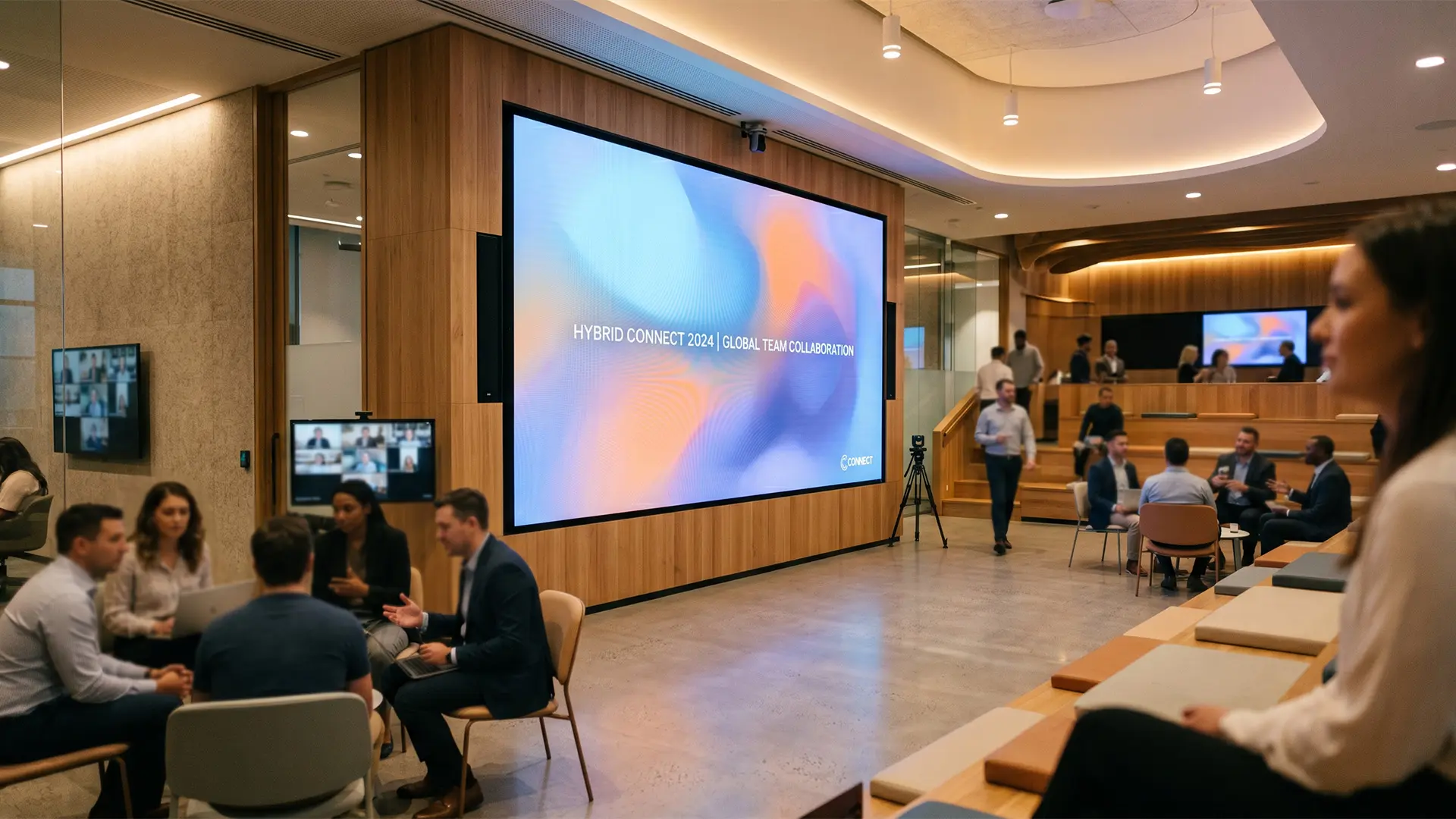
Today, Paradigm delivers both the experience and the thinking behind it. We don’t just produce content for events. We help shape the story, the structure and the message that sits behind them. We work across strategy, content, video, streaming and live events as one connected offering.
That shift didn’t happen overnight. It’s the result of fifteen years of experience, deeper sector knowledge, and long-term partnerships with enterprise organisations across healthcare, financial services and technology.
Being clearer about who we help, and how.
One of the most important changes behind our rebrand is confidence. Confidence to be explicit about what we do best and who we do it for.
We still offer the same services our clients recognise. Video, livestreaming and events remain at the core of what we do. But those services have matured. Our work today is less reactive and far more progressive.
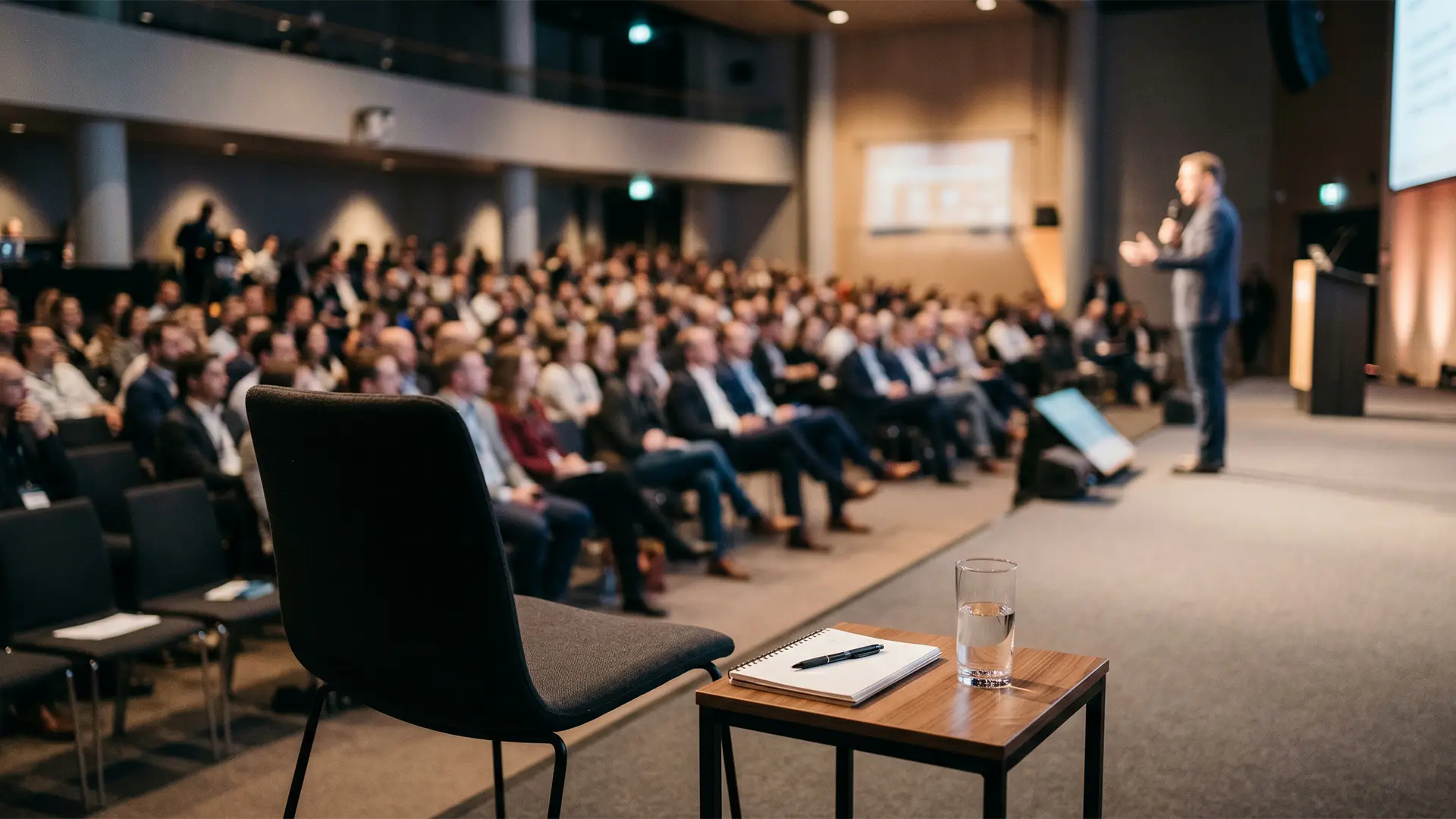
We work most effectively with enterprise brands that have complex communication challenges and high-stakes moments to deliver. These might be global town halls, leadership broadcasts, major internal change programmes or large-scale events that need to work across multiple audiences.
Rather than filling gaps, we act as a communication partner. We sit alongside internal teams, understand the wider challenge, and help design a connected response.
Why a holistic approach works.
A joined-up approach isn’t just nice-to-have. It reflects how people actually experience communication.
By planning content and events together, teams gain clarity. Messaging becomes sharper. Stakeholders feel more confident and most importantly, audiences understand not just what’s happening, but why it matters.
This is where Paradigm’s way of working has shifted. Ten years ago, we might have delivered parts of a project separately. Today, we look at the sum of those parts and design them as one.
What this means for internal comms and marketing teams.
If you’re managing internal communications or marketing today, your role has expanded. You’re expected to think strategically while delivering at speed. You’re balancing leadership expectations, employee engagement and brand consistency.
A connected approach helps reduce pressure. When strategy leads, delivery becomes clearer. When partners understand your organisation deeply, you spend less time briefing and fixing, and more time focusing on outcomes.
That’s why more teams are moving away from transactional suppliers and towards long-term partners who can handle complexity without adding noise.
Looking ahead.
Paradigm’s rebrand isn’t about changing who we are. It’s about being clearer about how we work today.
We are more focused. More experienced. More confident in the value of a holistic approach. And better equipped to help organisations communicate with impact when it matters most.
That's a wrap.
If your communications feel busy but not always effective, it may be time to step back from reactive delivery and look at the bigger picture.
Start with direction. Think about how content, events and messaging connect. Choose partners who understand the whole challenge, not just the output.
Does your communications activity feel strategically connected, or are you still delivering outputs without a clear, shared direction?
Share this insight:
Link copied