At Paradigm, we’ve been actively experimenting with AI to better understand how it can support communication, content and events in real-world settings.
In our last experiment, we explored presenter cloning, using our MD, Owen, as our willing (and repeatedly volunteered) test subject - to see how AI-generated presenters could be used for voiceovers and event content.
That experiment revealed some genuinely useful applications. A cloned presenter can deliver consistent messaging across multiple locations, or step in when schedules change at the last minute. It also opens up new possibilities for scalable content creation, without the need for repeated recordings or studio time.
What happens when you look at AI for translation?
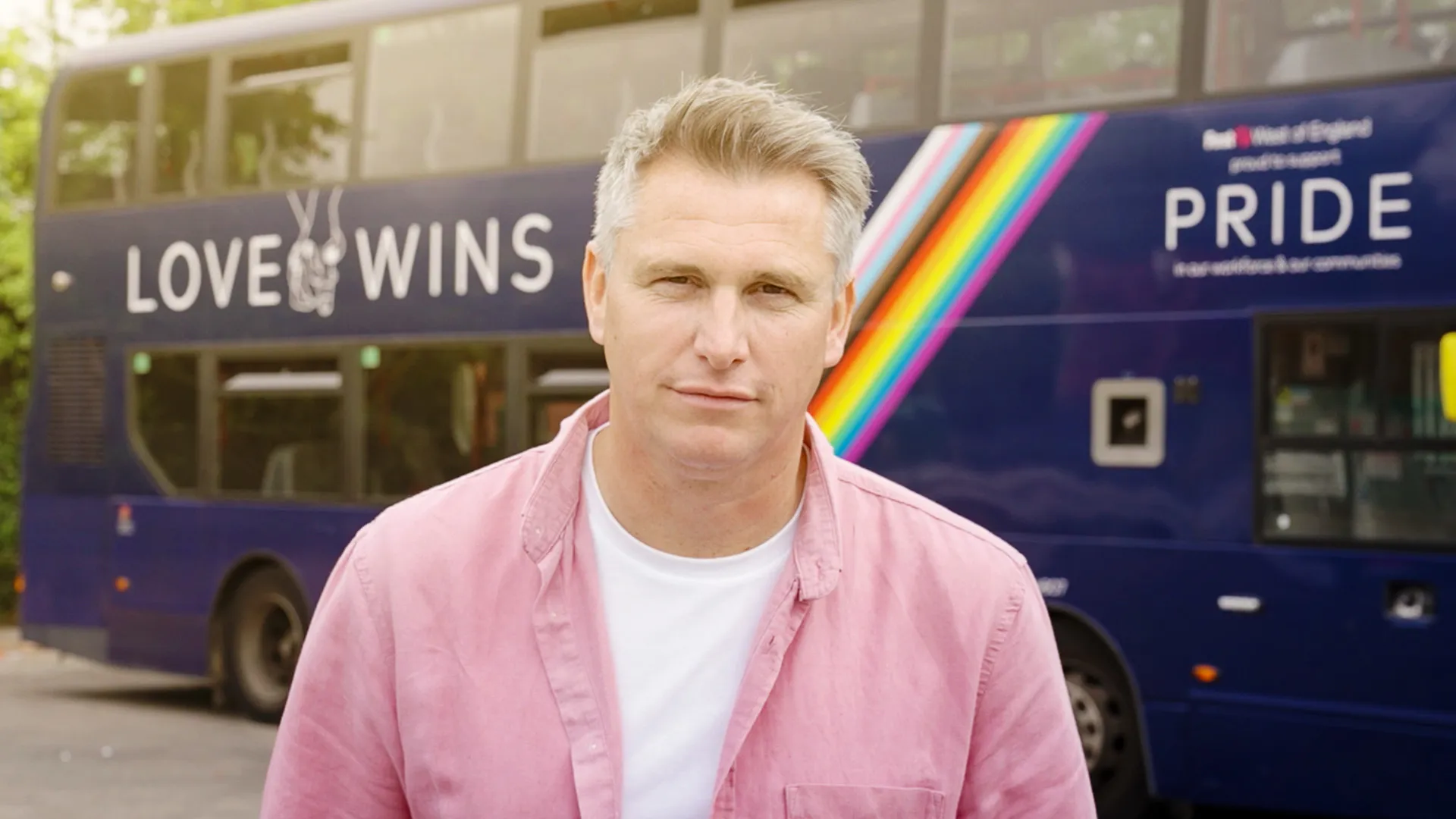
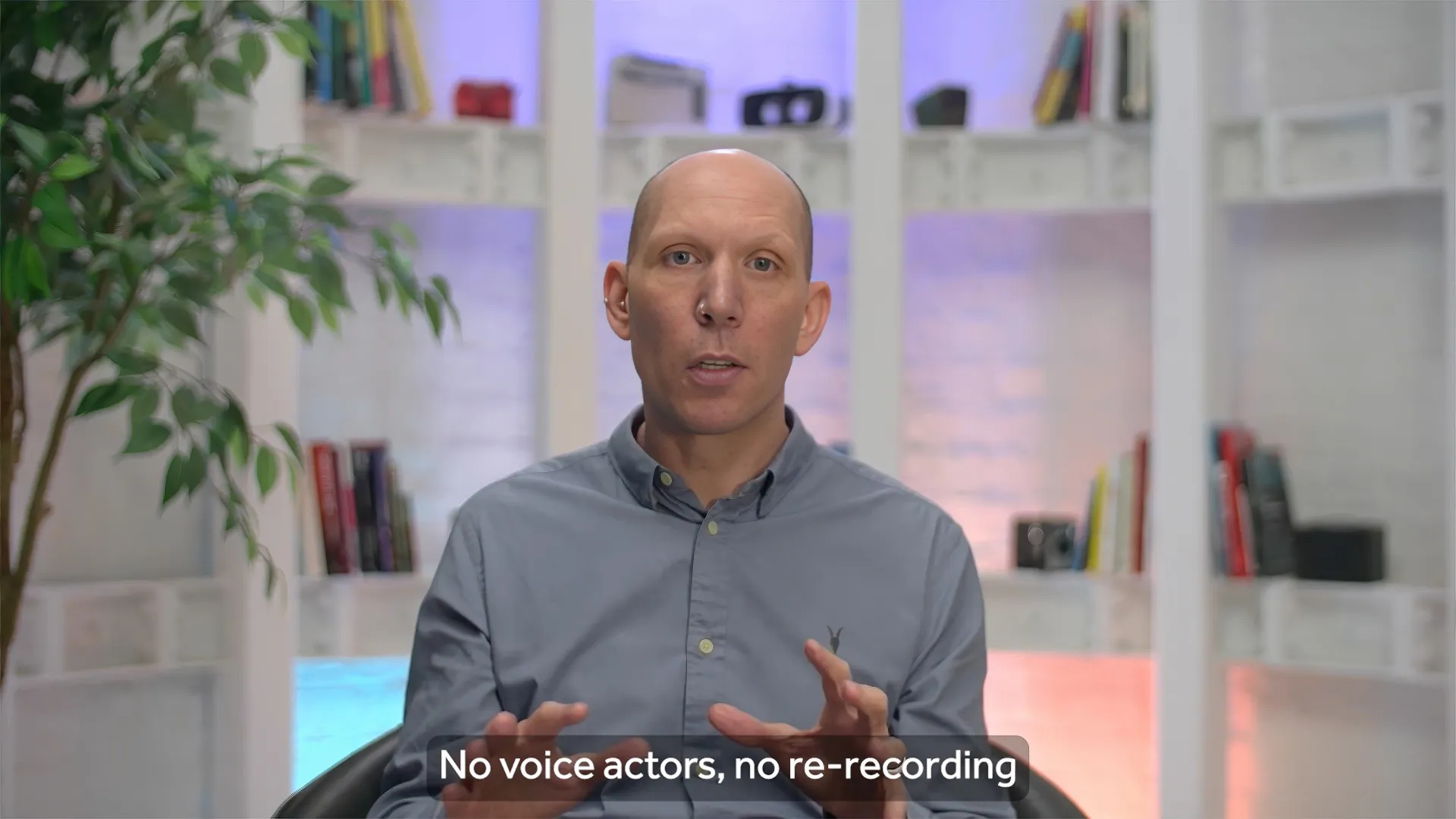
For this experiment, we once again used Owen as our guinea pig, this time testing AI-driven video dubbing across multiple languages. We took a single piece of footage and translated it into five different languages: German, French, Spanish, Japanese and Mandarin.
The results were freakishly impressive.
Without re-recording anything, and without actors, studios or additional shoots - we could generate versions of the video that closely matched the original performance.
The quality of the lip syncing was so striking, which adapted remarkably well to each language. The end result was a series of videos that felt far more natural and engaging than traditional voiceover dubbing.
Why this matters for video and events.
AI-powered translation has huge potential for making content more accessible and inclusive, particularly in global organisations and large-scale events.
For pre-recorded video, it means creating multilingual versions quickly and cost-effectively, without sacrificing consistency or tone of voice. Brand messages, leadership updates or campaign videos can be delivered in multiple languages while still feeling personal and human.
In live events and hybrid formats, AI translation could support multilingual audiences in real time whether through dubbed playback, translated session intros or on-demand content for different regions. This has clear benefits for internal communications, global town halls and international conferences, where language can put barriers in the way of engagement.
For live broadcasts, AI translation opens the door to broader reach without dramatically increasing production complexity. You could have a presenter effectively ‘speaking’ to multiple audiences, helping organisations scale their communications while still looking genuine.
Inclusive audiences.
Perhaps most exciting is the impact on audience interaction.
As translation tools improve, we can imagine live Q&A sessions, polls or interactive segments where participants engage in their own language, with responses translated seamlessly for presenters and other attendees.
This creates a more equitable experience and encourages participation from voices that might otherwise go unheard.
And the downside?
You’ve got to consider that video communication is about so much more than just the words on screen. Tone, emphasis, humour and cultural nuance all shape how a message lands.
We decided that AI translation is getting better, but it can still trip over idioms, sarcasm or localisms, with translations that are technically correct but might come across as awkward to natives.
What works for one audience with regards to culture, might not land for another, and gestures, references, or even pacing that feel natural in one culture can seem out of place in another.
Visually, while we were pretty impressed with the lip syncing, it’s nto always perfect. Slight mismatches between speech and mouth movement can be distracting, especially in close-up, presenter-led footage, and can reduce viewer trust without anyone even realising why.
Finally, emotional authenticity is tricky to replicate. Human presenters naturally adjust their delivery depending on meaning and intent, using subtle shifts in rhythm, breath and emphasis. AI voices often miss those little nuances, which can make translated content feel less natural.
That's a wrap.
We’ve come to the conclusion that AI translation isn’t about replacing human communicators - it’s about removing friction.
When used thoughtfully, it can help messages travel further, faster and more clearly, while maintaining the personality and presence that audiences respond to.
Our experiment shows that this technology is no longer theoretical. It’s practical, powerful and ready to be used and the best bit is, we’re only just getting started.
The biggest downside is, nobody on the team speaks Japanese, so is there anyone in our network who can comment on the quality of the translation?
Share this insight:
Link copied