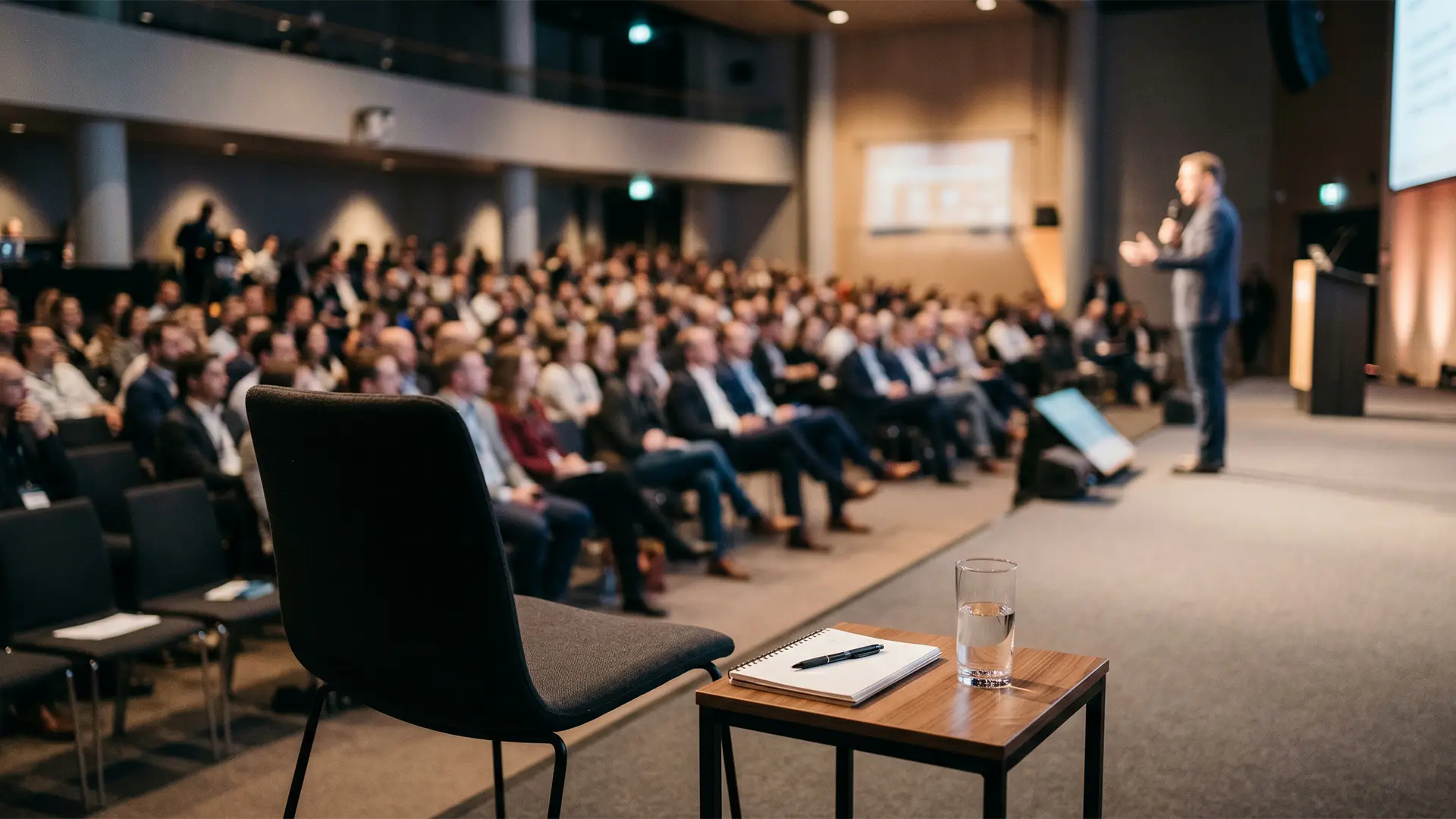
If you’ve ever sat through a town hall and found your mind drifting towards what you’re having for tea, you’re not alone.
For something that’s meant to inspire, update and unite a business, some town halls can end up feeling like a test of stamina - long monologues, overloaded slides, awkward silences, clunky streaming, and almost no real interaction.
The shame is, when they’re done right, town halls can be one of the most powerful tools a business has for building connection and alignment.
So how do you make sure yours actually delivers?
Why town halls matter.
At its heart, a town hall is a short, focused “state of the nation” update, usually lasting between 60 and 90 minutes, and happening monthly or quarterly. The goal is to bring the whole organisation up to speed: things like progress against key goals, important company news and strategy updates.
If you work in a business with thousands of employees spread across different sites or countries, it’s one of the few times you’ll actually hear what other departments are doing. You might discover what’s happening in marketing, what HR is working on, or what’s going on in teams you’ve never interacted with.
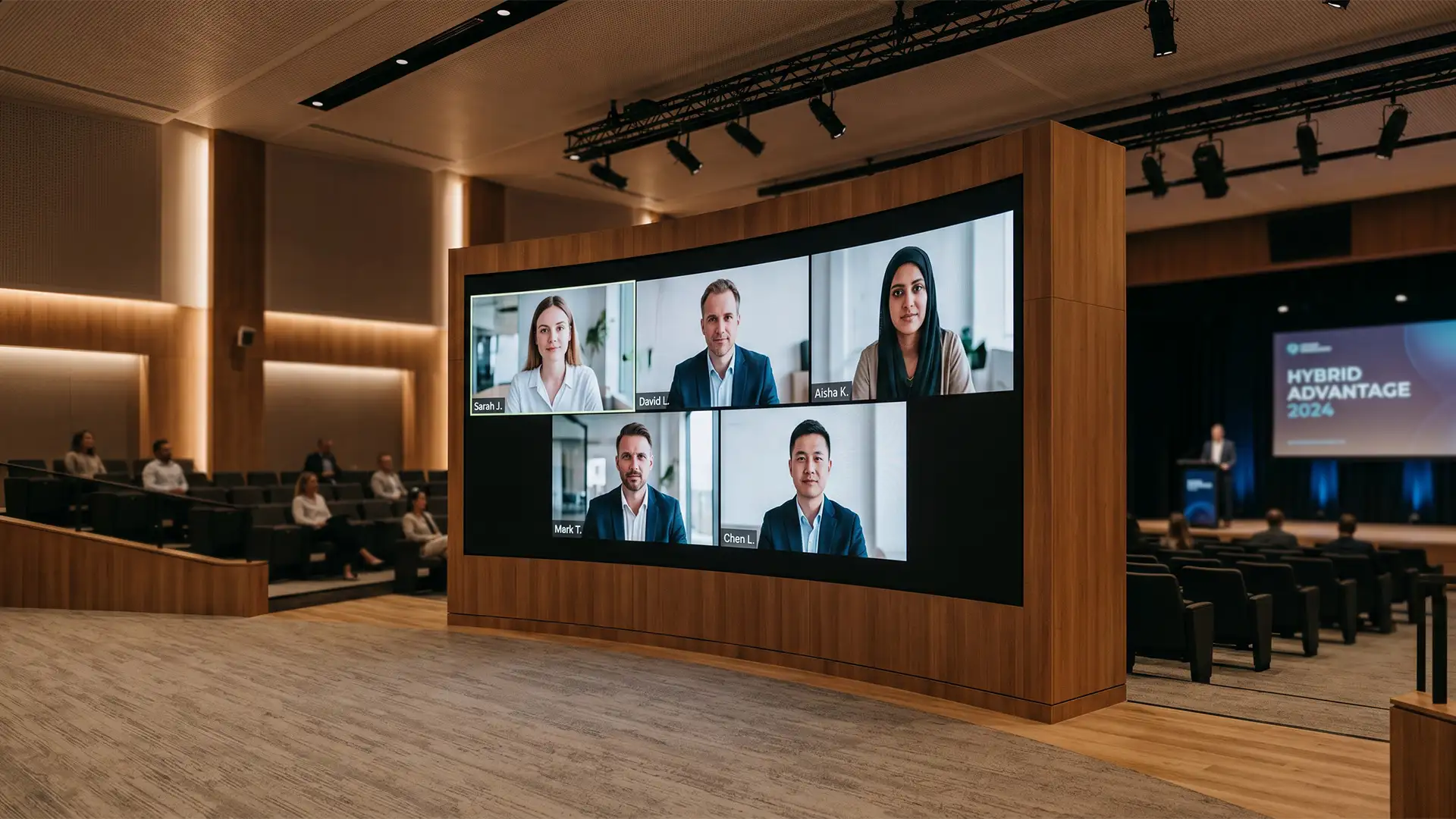
Since COVID, town halls have shifted from being mostly in-person events to becoming hybrid or fully online. That’s been brilliant for accessibility, but it’s also opened the door to new challenges that can derail them completely.
Why so many town halls fall flat.
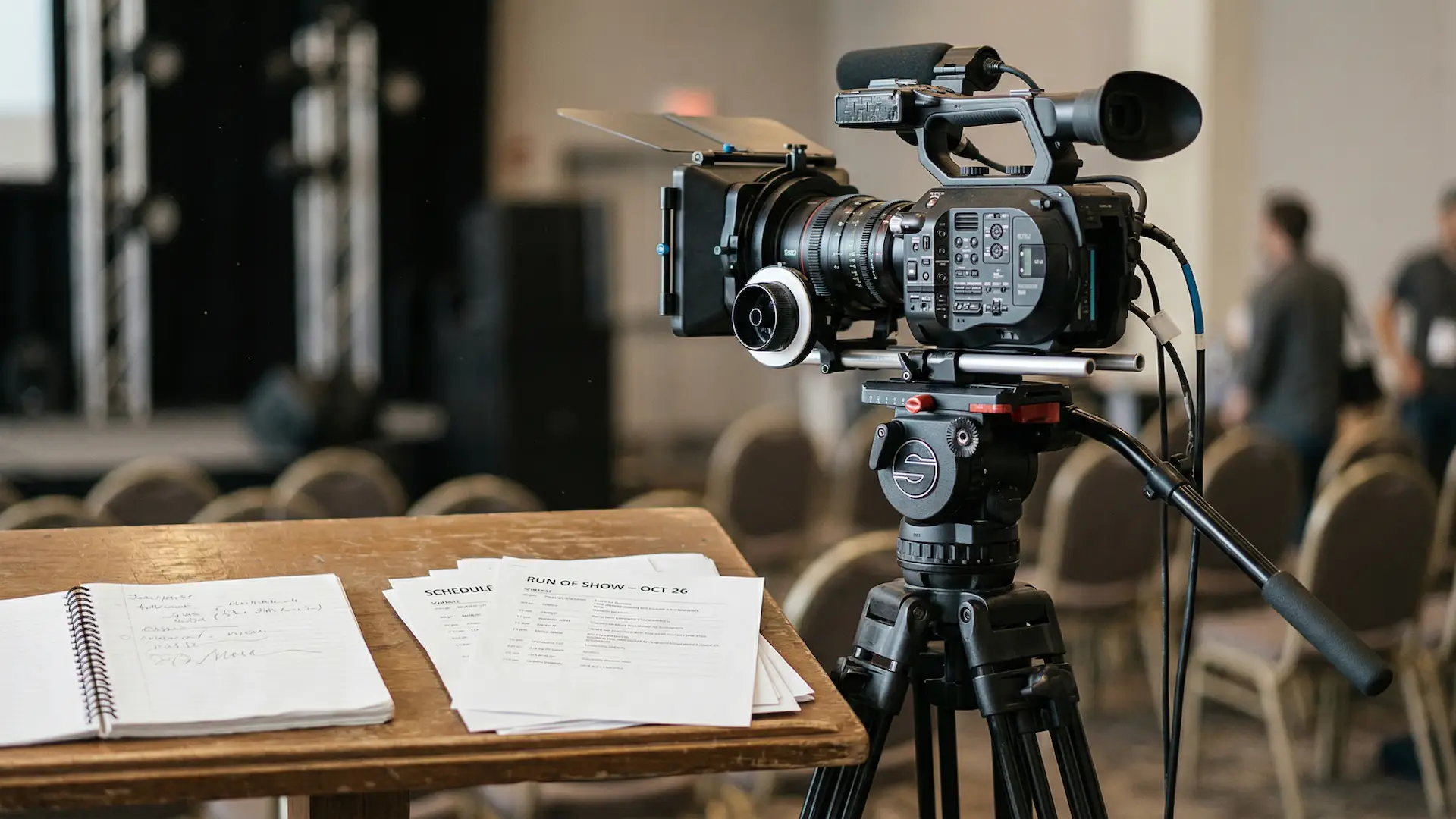
Most failures come down to three things: tech troubles, content that doesn’t grab attention, and a lack of engagement. When any of those are off, people mentally check out. Leaders miss the chance to inspire. And the time, effort and budget spent on the event ends up wasted.
The secret to getting them right.
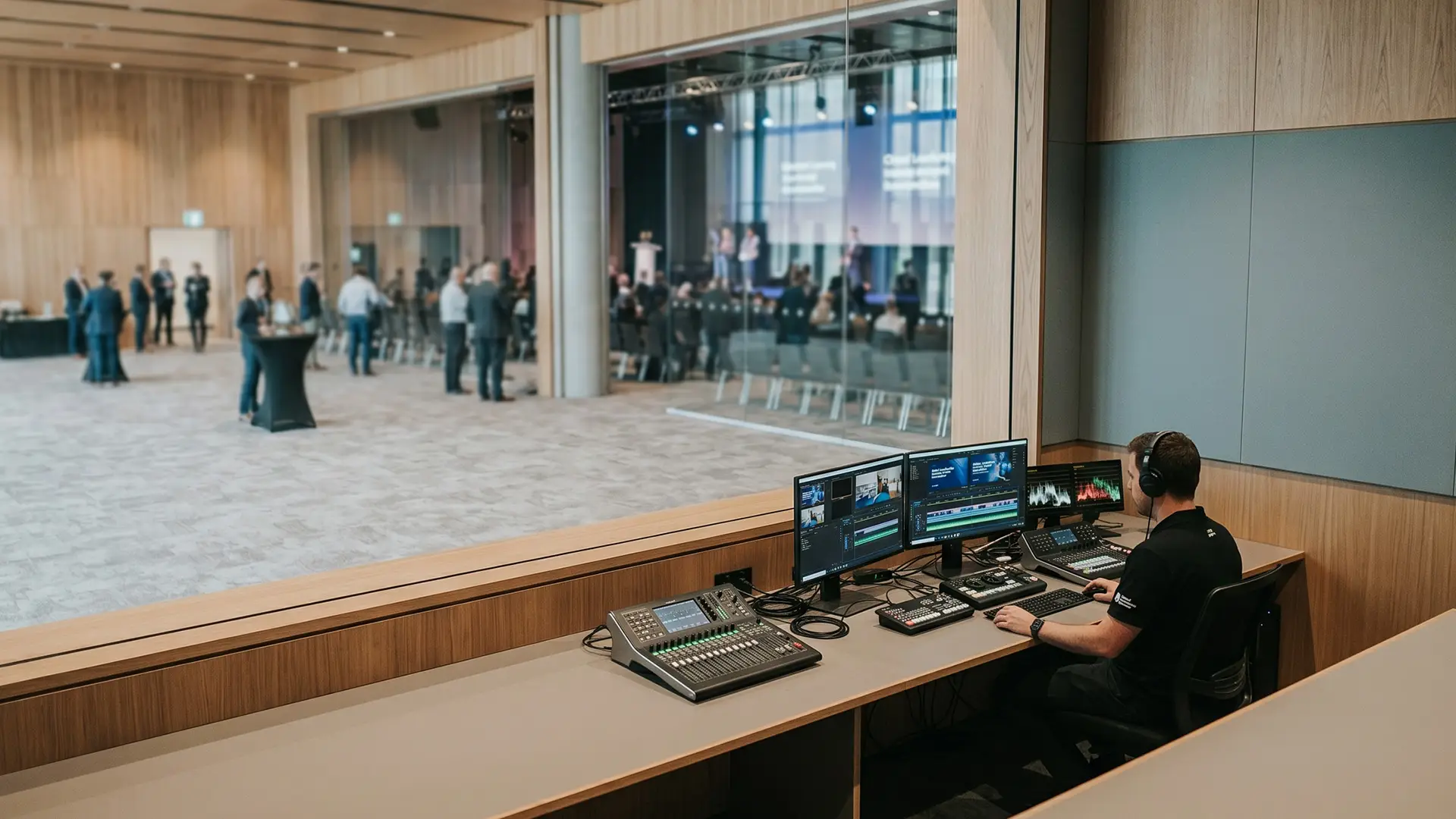
The first thing to get right is knowing your audience. Who’s actually going to be there? Where will they be watching from? What technology is already used and trusted (and is approved by IT)? Are there any security issues to work around?
Sometimes strict IT rules and security protocols don’t quite match the reality of an event. Testing might be limited, and requirements non-negotiable but user experience still matters. The trick is knowing where small, safe trade-offs can be made.
By keeping content low-risk, aligning with decision-makers, and weighing accessibility against security, it’s possible to deliver a seamless experience. Attendees join without friction, technology works as intended, and the event runs smoothly.
Balancing security, IT needs, and usability isn’t just about rules, it’s about making things actually work for people.
Mix up the format.
The next thing is to mix up the format. Nothing sends people into a daze faster than one person reading a deck of slides for an hour.
Think about how TV works. Scenes change every few minutes to keep your attention. You can do the same by alternating between presentations, conversations, short videos, and different voices.
One way to breathe life into a town hall is to involve people beyond the leadership team. When you have a junior team member hosting, introducing senior leaders, or even asking them questions, it feels far more relatable. Panel discussions that mix senior executives with front-line staff can spark real connection.
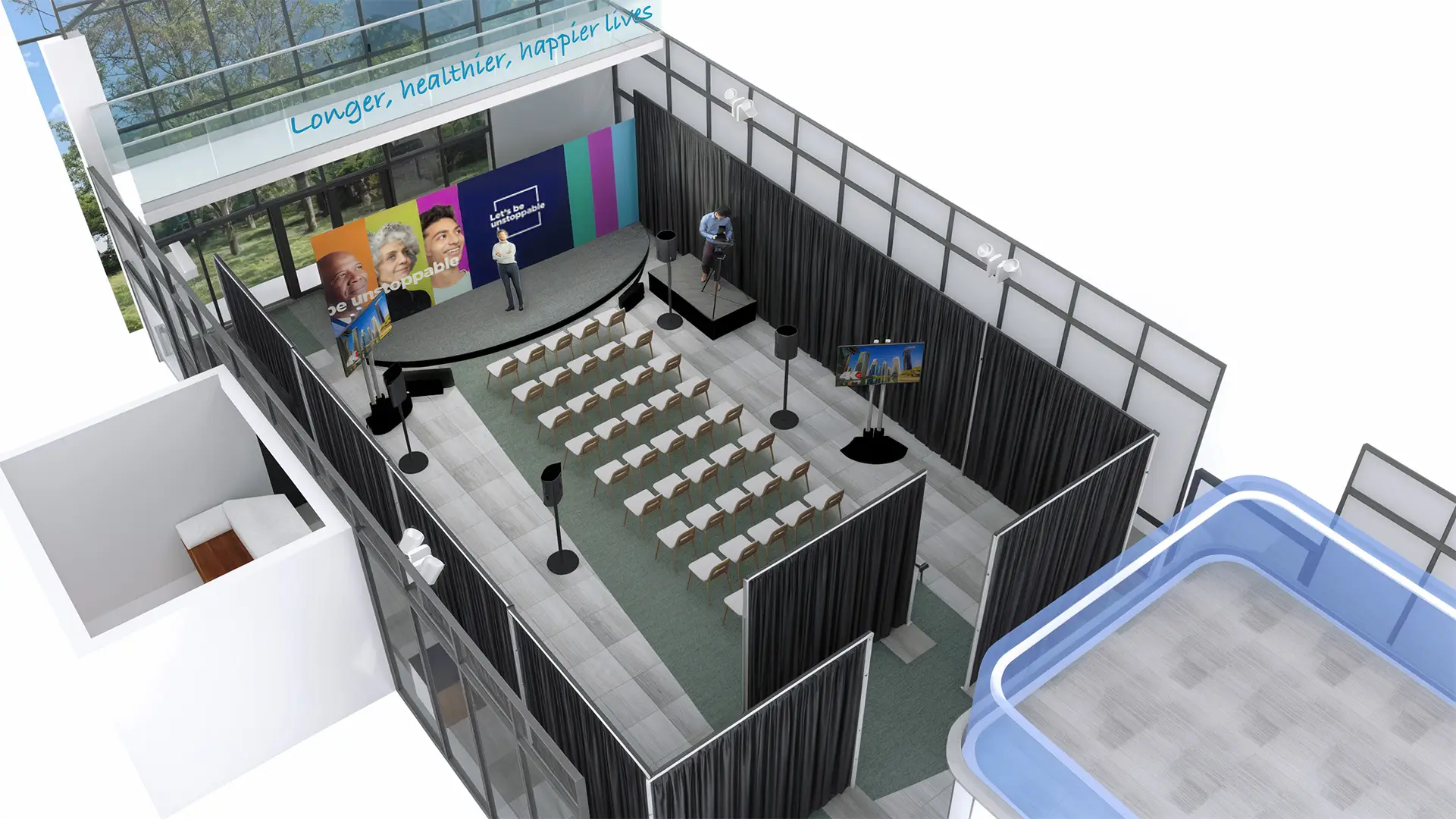
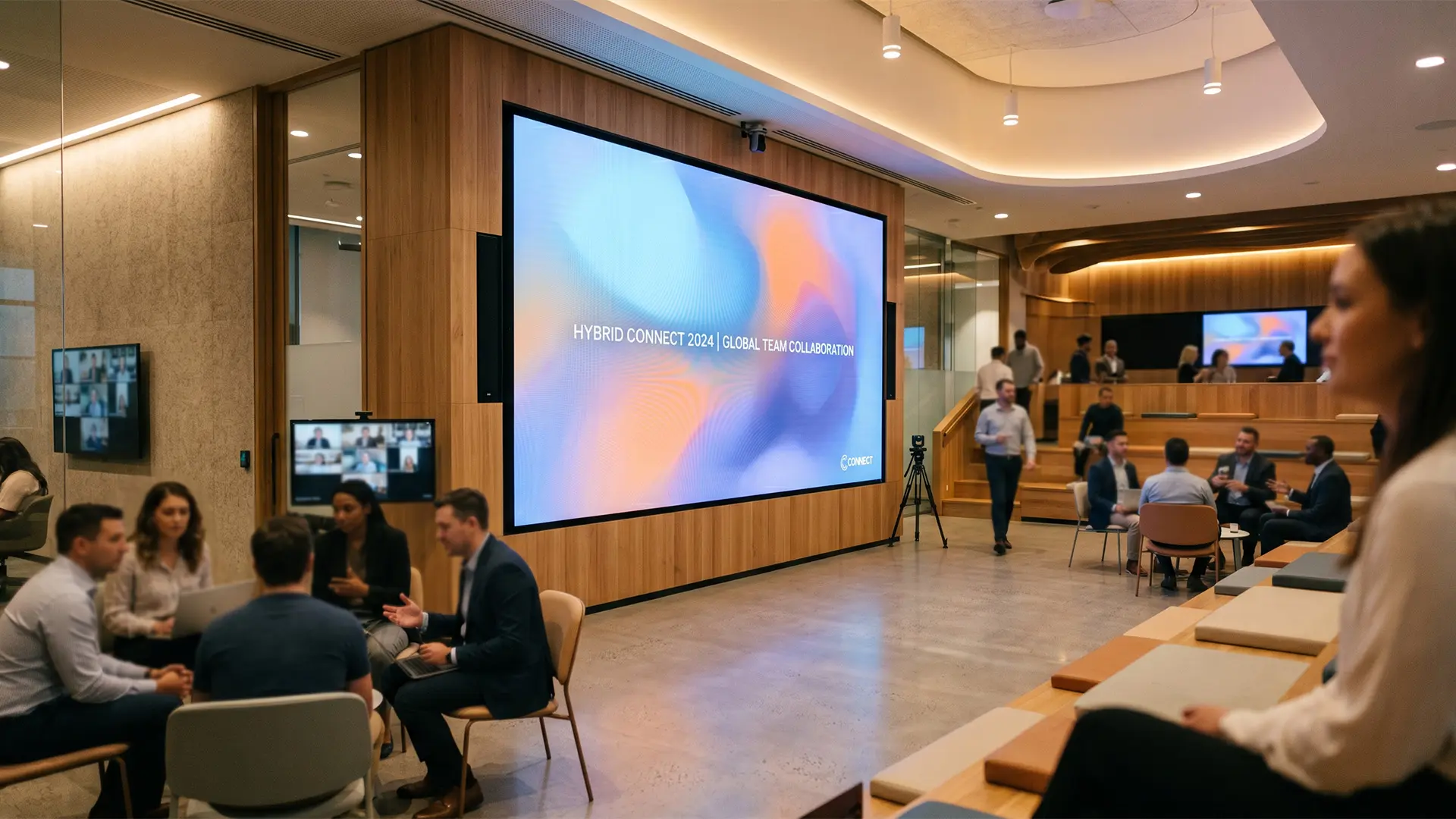
If you’ve got multiple sites - especially in different countries - you can also create watch parties where teams gather locally to view the main broadcast, and then have their own follow-up Q&A with local leaders to put everything into context.
And finally, prepare for the unexpected. Even the slickest TV news broadcasts suffer the occasional glitch. We’ve all seen the viral clip of professor Robert Kelly, who was presenting live on BBC News from his home office when his kid gatecrashed the room, followed by a baby in a walker, and his frantic wife trying to usher them out.
You need to plan for both technical and content hiccups so that if a live feed drops or a segment runs over, you can pivot without losing energy. Having a Plan B (and even C) keeps things feeling professional, even when something behind the scenes is on fire.
That's a wrap.
When the technology works, the content is engaging, and the audience feels included, a town hall stops being “just another meeting” and starts being a moment people look forward to.
Presenters can focus on their message rather than worrying about whether the slides are loading.
People watching remotely feel just as involved as those in the room. And the time invested by both leadership and employees actually pays off.
No town hall will ever be perfect. Live events always carry a bit of risk. But careful planning, creative formats, and a focus on your audience will mean that when something does go wrong, it won’t ruin the experience.
A town hall is more than a broadcast. It’s a statement about how your company communicates, values its people, and shares its vision. Get it right, and it becomes a genuine driver of culture, alignment, and trust. Get it wrong, and you’ll have half your team replying to their emails instead.
What was the most memorable town hall you’ve ever attended and was it memorable for the right reasons?
Share this insight:
Link copied