If you’re regularly commissioning video projects, you’ve probably had a project that seemed to spark endless calls as ideas kept evolving.
Whether it’s a recruitment video or an end-of-year review, navigating changes along the way can feel challenging… but it doesn’t have to be.
With thoughtful planning, you can skip the five back-and-forth calls about what the project should be. One focused strategy session - a clear, well-crafted briefing conversation - right at the start can set everything up for success.
The pitfall of the evolving plan.
We’ve seen the same story play out many times. A project starts with a simple request - “a three-minute video with a soundtrack” - and everyone dives in with good intentions.
As the weeks progress, new ideas emerge, fresh perspectives come in, and people begin to realise there’s a bigger opportunity behind the original request.
Without a clear start, the team can end up reacting instead of moving forward with confidence. It can stretch timelines, strain budgets, and make the final asset feel more like a compromise than the powerful piece it could have been.
The good news is that this is completely avoidable. When a project begins with a thoughtful, in-depth conversation about the real objective, everything becomes smoother, clearer, and far more effective.
Interrogate the brief: asking “why” is where it starts.
A lot of marketing teams approach content like a simple transaction. “How much for a three-minute animation?” sounds like a reasonable starting point, but it skips the most important step: discovery.
Here at Paradigm, we’d never begin a project without asking "why?".
Why do you want this piece of content? Why in this way? What business goal does it need to support? Who needs to see it and where? Is it acting as part of a wider mix or carrying the message on its own?
When we unpack these questions and more, we almost always find the real need sitting underneath the initial ask.
In fact, we recently spoke to a client who came to us with costings for an idea they thought they wanted. Once we explored their actual goal, it turned out a completely different approach would work better for them.
This is why a proper briefing conversation matters. It shifts the conversation away from duration and cost and towards purpose and value.
Focus on the objective.
Content only works when everyone understands what it’s meant to achieve. Whether you’re demonstrating a product or launching an event, you need to know the real objective before you begin. Staying at surface level is how you end up making the wrong thing and paying for it twice.
When the objective is clear, decisions become easier. You know what to prioritise, what to cut and what to measure. That clarity protects both time and budget.
Invest time upfront.
A good strategy session isn’t a luxury. It’s the thing that stops the brief from drifting later. You need early agreement on the key metric of success, whether that’s leads, attendance, internal engagement or something else entirely.
When you invest time at the start, you avoid the panic that comes from trying to fix problems mid-production. Of course, unexpected things can happen - the booked food van might not show up on the day - but those are far easier to manage when the core plan is solid.
Think creatively about the solution.
Sometimes the content requested isn’t the content that solves the problem. That’s why stepping back matters.
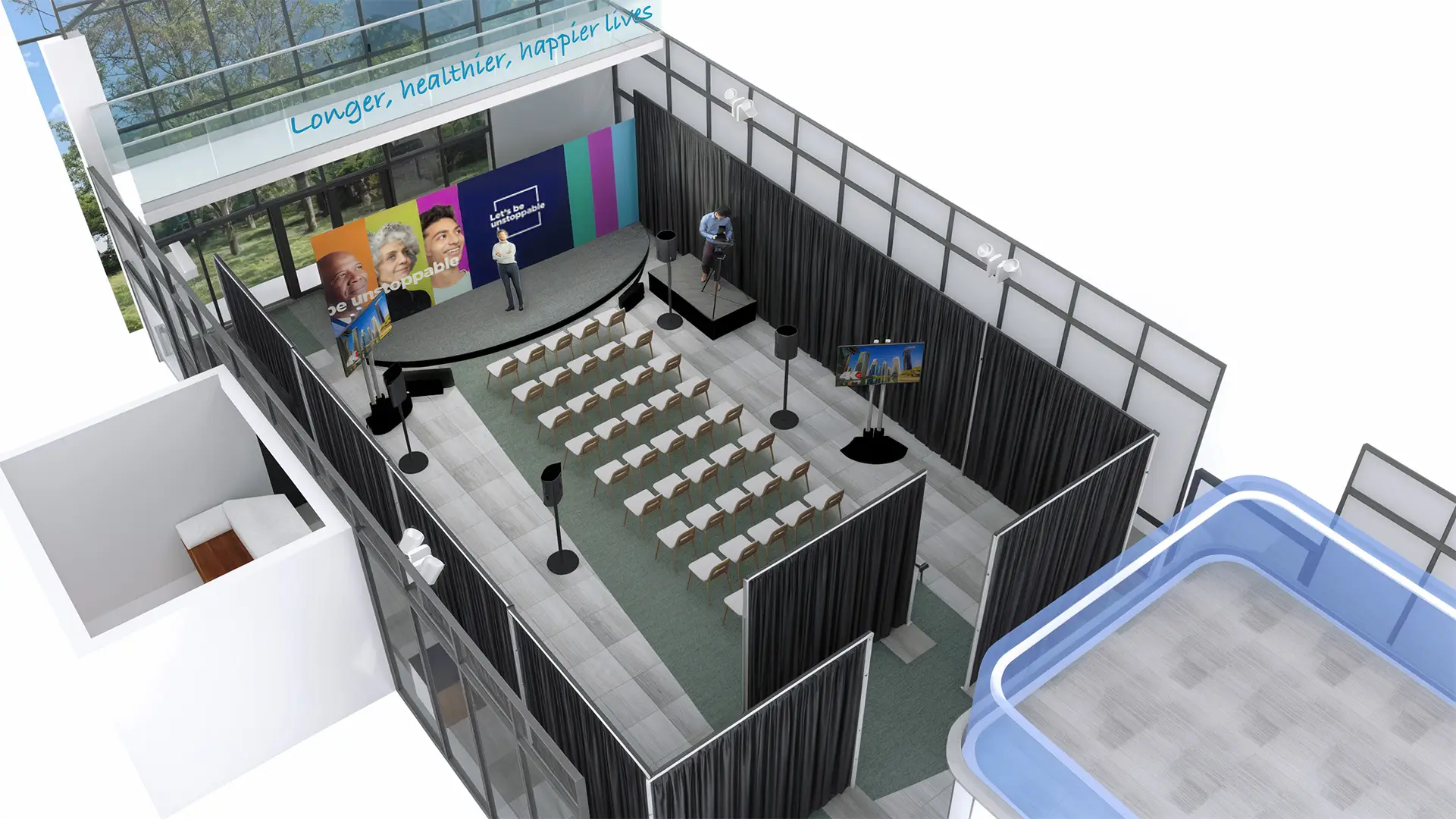
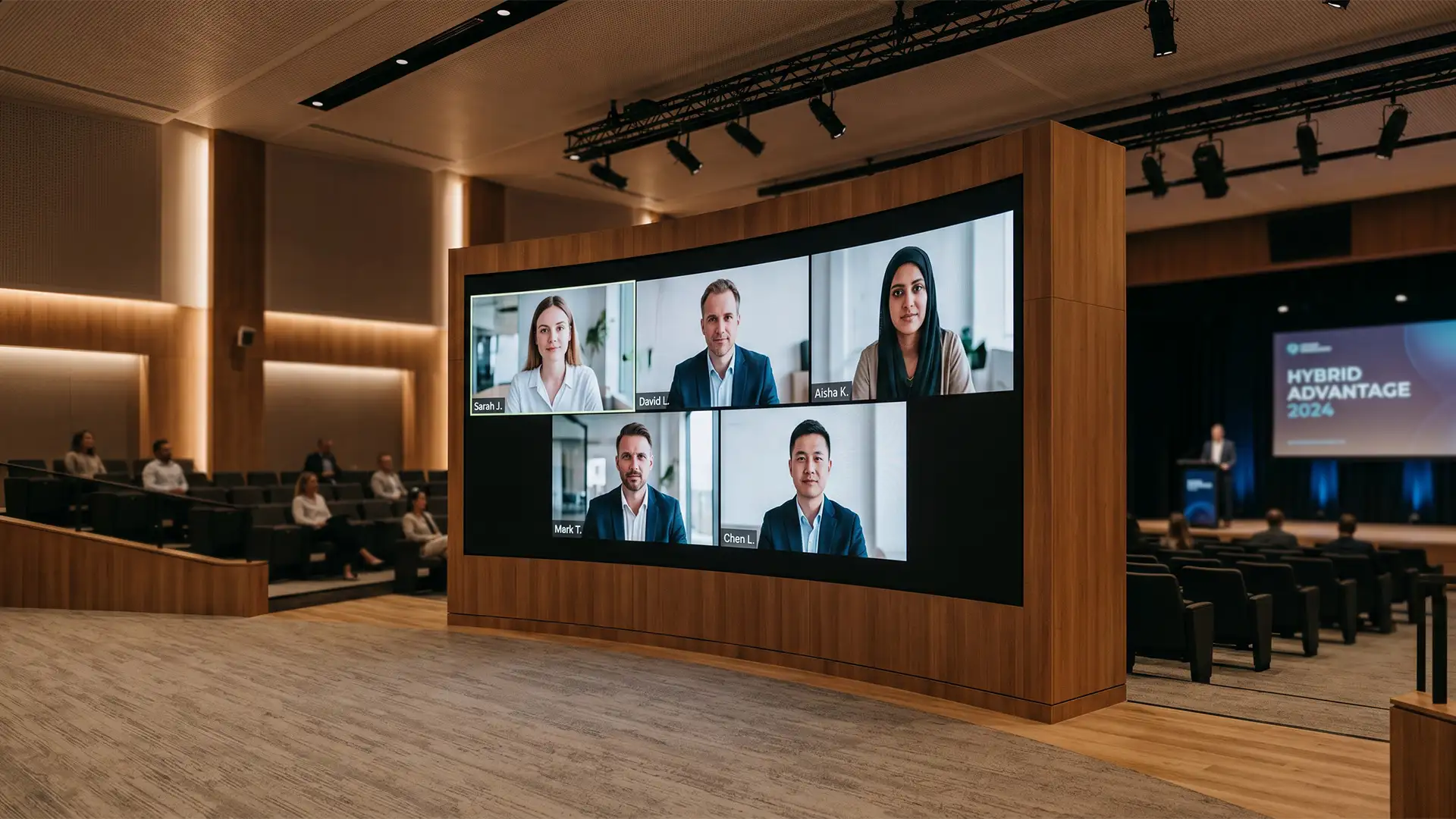
A good example is end-of-year events. A company might ask for a large in-person setup, but once you look at their audience, a hybrid approach may work much better. We recently helped a client reach a huge global workforce by combining a small in-house audience with a virtual setup that allowed people from around the world to join. It saved them money and extended their reach.
When you take time to understand the real issue, you can use the budget more wisely, create assets that can be reused for social and build content that has longer life and broader impact.
A stitch in time saves nine.
When planning is skipped, everything feels rushed. That’s when everyone can start feeling pressured, more demanding and eager to “get something out now”. That pressure appears because a clear strategy was never set.
Setting expectations early changes the relationship. When everyone understands the brief, the goals and the plan, you shift from a transactional back-and-forth to a proper partnership.
That's a wrap.
If you’re finding yourself in five calls when one would have done the job, the issue isn’t the content. It’s the planning. Reactive projects lead to revisions, delays and outcomes that don’t hit the mark.
One focused strategy session can set your objective, shape the brief and define success before anything else happens. That single step removes confusion, protects your budget and ensures the final content delivers real value.
Stop firefighting. Start planning. One clear strategy session is all it takes to turn a messy project into a confident, well-run piece of work.
Share this insight:
Link copied