Internal communications is a fascinating space where strategy, storytelling, and employee engagement converge. Yet, it can often feel overwhelming for smaller teams.
Over the years, working with internal comms departments across different organisations, we’ve noticed a recurring theme: teams thrive when they have reliable support that feels like part of their own team.
Imagine a company with 5,000 employees, where just one person is responsible for internal communications.
That individual is juggling multiple roles: understanding the business strategy, managing senior stakeholders, managing comms channels, and creating content - whether it’s writing emails or crafting stories for the intranet, or more often creating graphics and videos.
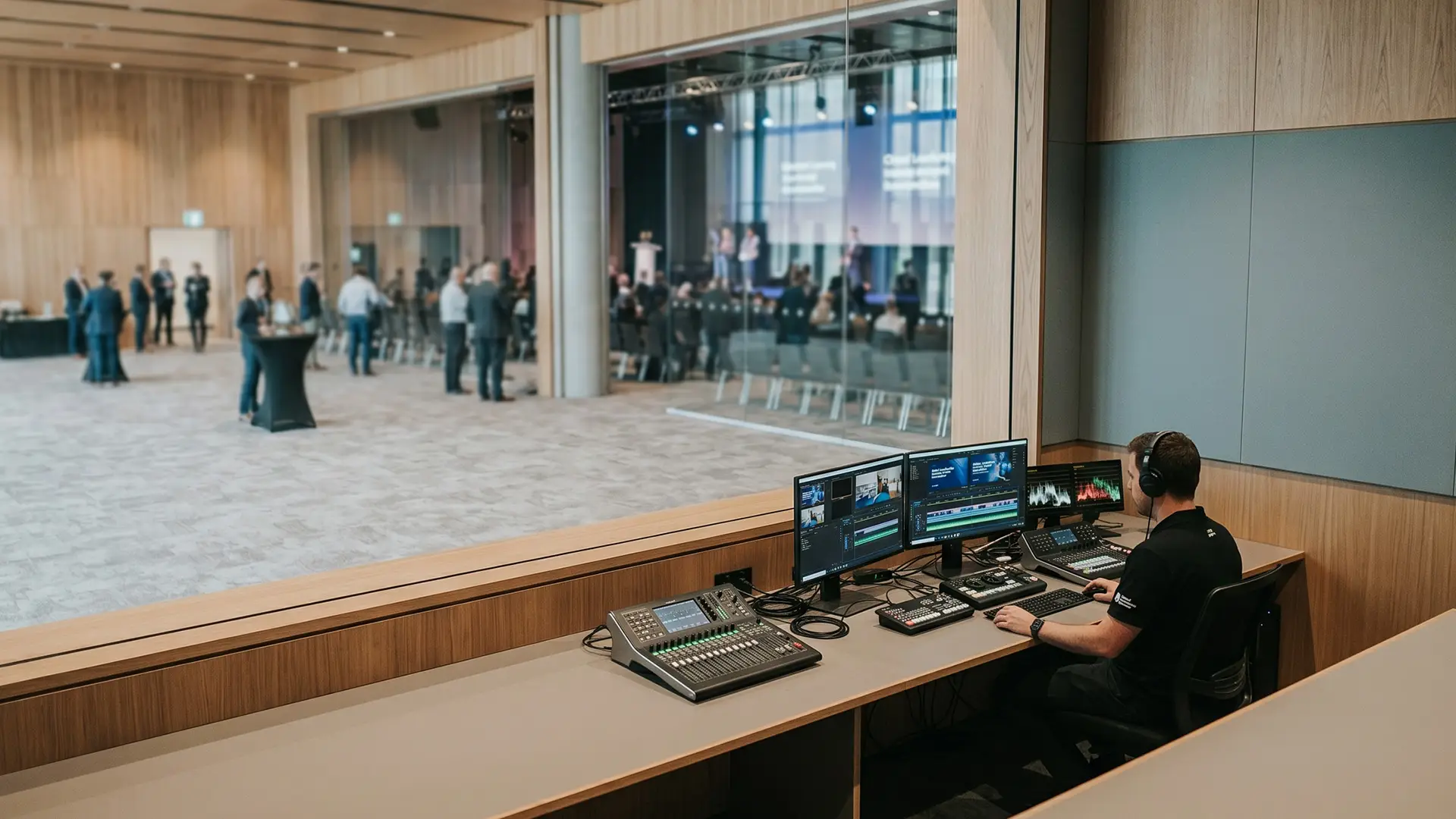
On top of that, when an event rolls around, that same person is expected to manage the entire production themselves.
It’s a lot.
Why an external perspective is invaluable.
Small teams often initiate ideas, like producing a video to support a new message. But that’s where bringing in specialist help - whether technical, creative, or strategic - can make a real difference.
A video production company, for instance, can never know the business as intimately as the internal comms team. We may not fully understand every challenge, but it’s our job to ask questions: Why are you doing it this way? What’s the reason behind this approach?
Sometimes, the response is, “We always do it like this.”
That’s when an external perspective can be invaluable.
By gently challenging the status quo and offering alternative solutions, internal comms teams can see different possibilities - not because they’re better, but because a fresh viewpoint can reveal opportunities they might not have considered.
Once they have all the necessary information, the right specialists can be brought in to deliver high-quality results.
Stepping in to support.
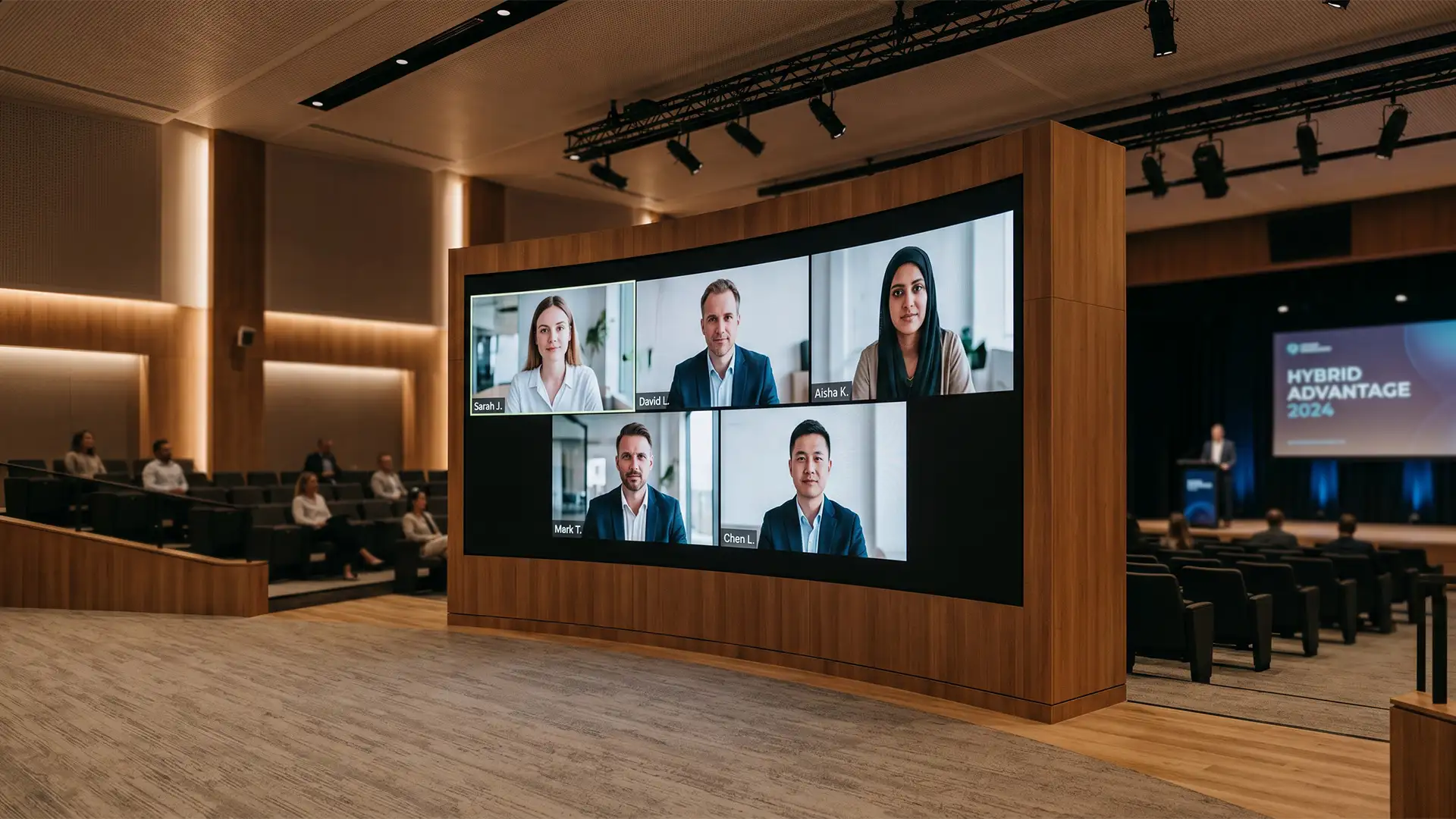
One of our clients has a small internal comms team running town halls entirely on their own. The team manages stakeholders, chases messages, designs running orders, and even operates the tech during the events. They described it as “like trying to do four different jobs at the same time.”
When we stepped in to support, the impact was immediate. Instead of spending hours learning and operating the platform, the internal comms teams could focus on what mattered most: the messages and stakeholders.
Meanwhile, we managed the production, ensuring smooth delivery, higher production values, and a better experience for employees. In short, we gave teams back what they valued most - their time.
Why this approach has multiple benefits.
Firstly, it frees up internal teams to focus on strategy and stakeholder engagement. Secondly, it improves the overall quality of communication.
Employees notice the difference: increased production values translate into better engagement and a stronger connection with the message. Even during periods of organisational change - when budgets are tight and teams are cautious - investing in people and their experience pays off.
Engaging, high-quality communication is crucial when employees are feeling nervous or unsettled.
Video content is a great example. A small internal comms team may have limited skills or resources to produce professional videos, despite recognising their value for engagement or training.
By partnering with specialists, they can produce polished, high-impact content without spending endless hours figuring out the technicalities.
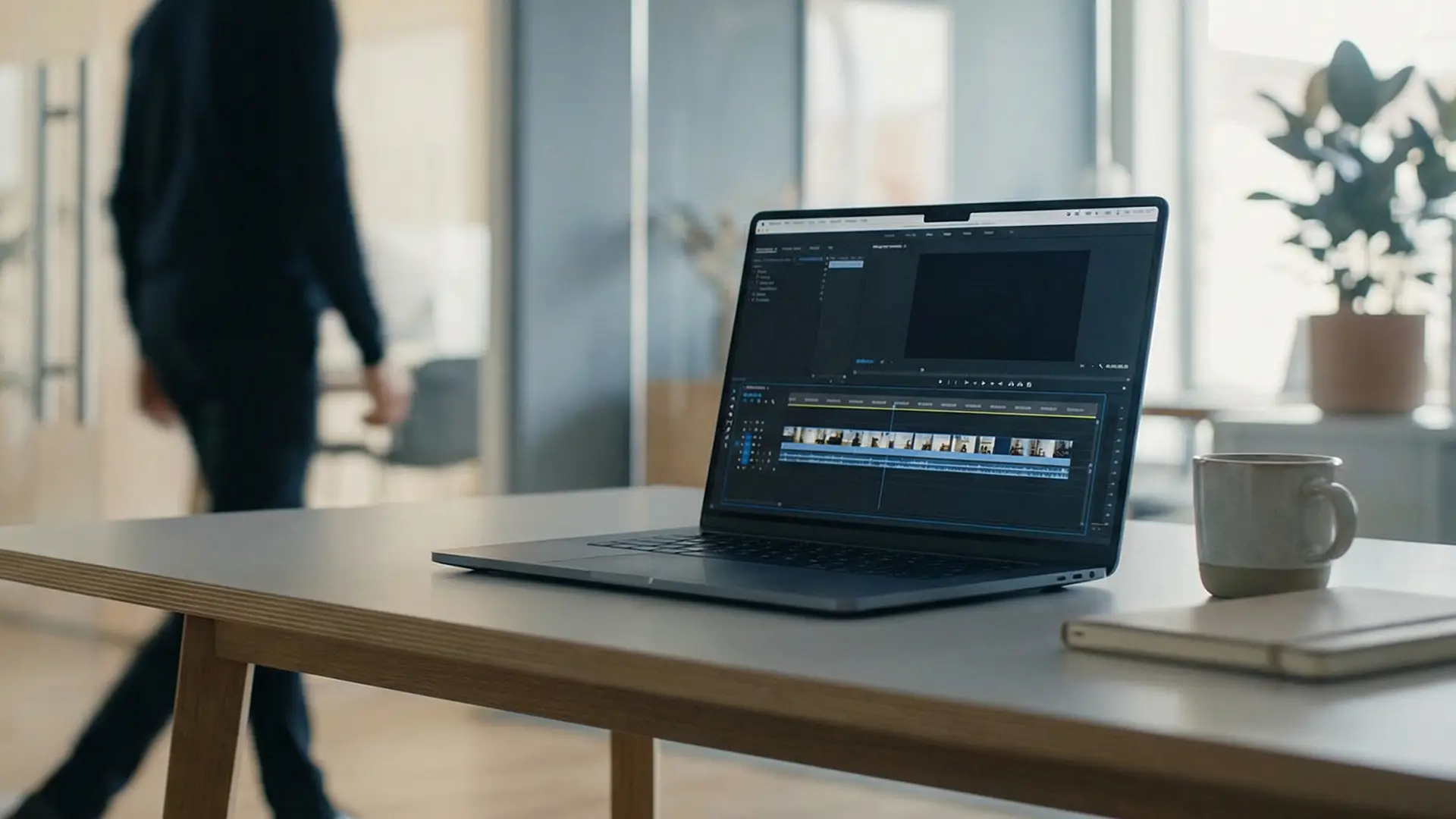
We work closely with teams to understand objectives, challenges, and the outcomes they hope to achieve. Then we take care of the creative process: scripting, filming, animating, and editing, ensuring the content is on-brand and fit for purpose.
Advantages of professional production.
Small teams often face tough decisions around resources. By working with external specialists, they can achieve better outcomes without overextending themselves or their budgets.
It’s about ROI: ensuring that every investment in communication delivers maximum value.
Whether it’s internal engagement, employer branding, or customer-facing marketing, the goal is the same: creating content that resonates and can be leveraged across multiple channels.
One of the advantages of an external video production team is maximising content value.
For instance, we might shoot video at multiple care homes for a conference. While the primary goal is to share authentic stories with an audience, the content can often be repurposed for marketing or recruitment purposes.
Highlighting care home facilities, resident experiences, and staff perspectives can create multiple touchpoints of value from a single shoot. This approach enables small comms teams to make the most of their budgets, potentially collaborating with marketing to enhance production value further.
That's a wrap.
Ultimately, the best internal comms support doesn’t replace teams - it empowers them. It allows them to focus on what they do best: shaping messages, managing stakeholders, and driving engagement.
By bringing in external expertise, internal comms teams gain time, enhance production quality, and uncover new ways to use content strategically.
The result? A more effective, confident, and impactful internal communications function that can thrive even in the smallest of teams.
So, whether you’re managing comms for a team of one or a department of ten, the message is clear: collaboration with specialists is not just a convenience - it’s a force multiplier.
It frees up time, improves quality, and ensures your communications reach their audience with clarity, creativity, and impact.
Sometimes, the best way to strengthen your internal comms team is to let them know they’re not alone.
Share this insight:
Link copied